Best Time to Sail the Balearics: Mallorca, Menorca and Ibiza
By Where we sailing? · July 26, 2026 · 5 min read
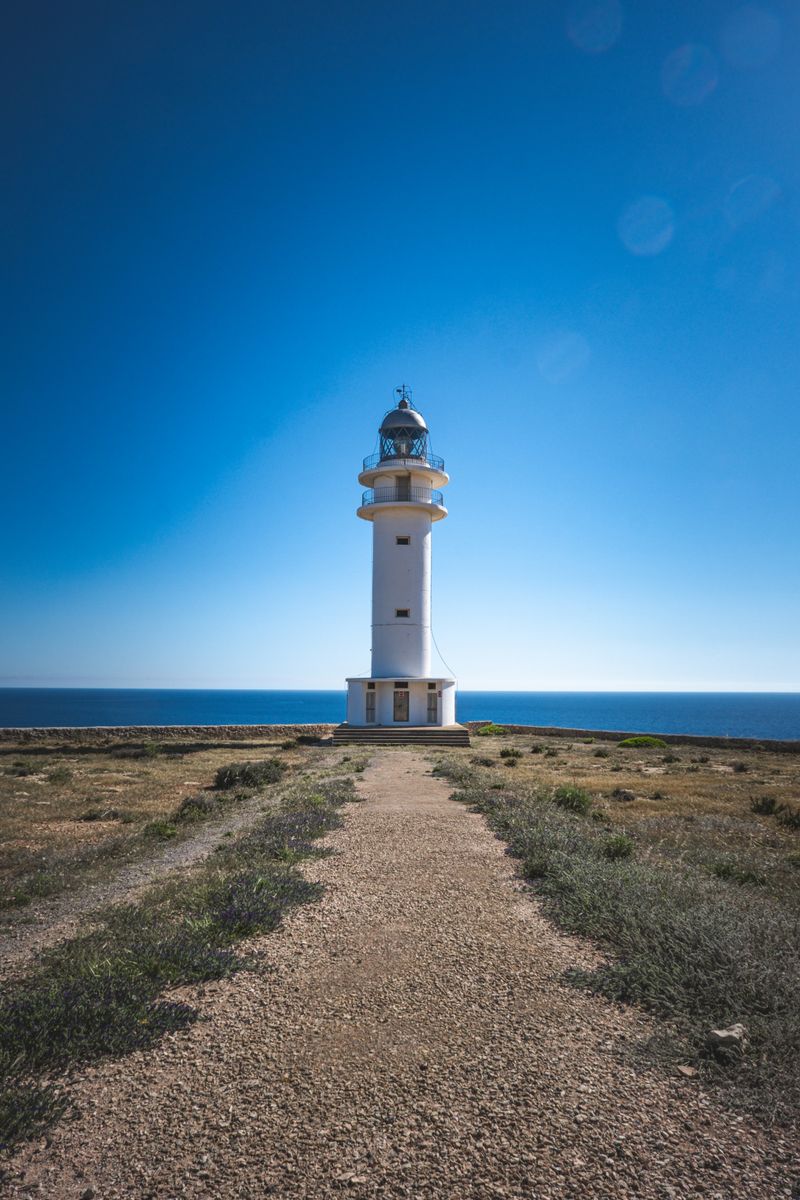
The Balearic Islands pack an extraordinary variety into a small patch of the western Mediterranean: the dramatic cliffs and hidden calas of Mallorca, the wild coves and Georgian harbours of Menorca, and the pine-scented glamour of Ibiza and Formentera. Short hops, warm turquoise water and a marina or anchorage for every mood make this one of Spain's finest charter grounds. But the islands change character across the season — and one wind, the tramontana, is worth understanding before you book. Here's the month-by-month guide.
The short answer
The sweet spots are late May to June and September. You get warm seas, long settled days, gentle breezes and far quieter anchorages than the July–August crush. Peak summer is hot, lively and glorious but busy and pricey, and the northerly tramontana can blow hard across the channel between Mallorca and Menorca. If your dates are fixed, the Balearics sail beautifully all summer — you just plan your route around the wind and the crowds.
The Balearic sailing season, month by month
April & early May — shoulder-season calm
The islands are green and flowering, days are mild (18–21°C) and prices are at their lowest. The sea is still cool at around 16–17°C, so it's more about sailing and walking than swimming. Some chiringuitos (beach bars) haven't opened. Ideal for experienced crews chasing solitude and value.
Late May & June — the connoisseur's window
Arguably the best all-round period. Warm days, comfortable nights, water climbing through the low 20s°C, and the settled weather that makes the famous coves swimmable and empty. Anchorages that are jammed in August still have room. Prices sit well below peak.
July & August — peak season
Hot (30°C+ ashore), buzzing and busy. The sea is at its warmest (25–26°C), everything is open, and Ibiza is in full swing. Two things to plan around: crowded calas — arrive by mid-morning to claim a spot, or book a marina — and the tramontana (see below). Book your boat months ahead.
September — the insider's favourite
Many charterers' single favourite month. The sea is at its warmest after a summer of heating, the tramontana eases, the light turns golden and the crowds thin as families head home. Warm, settled, romantic sailing.
October — a gentle wind-down
Early October can still be lovely — warm water, quiet harbours, low prices — but weather grows less predictable and autumn tramontana fronts can arrive. Most charter fleets wind down by the end of the month.
The tramontana: the wind to plan around
The tramontana is a cold, dry north wind that funnels down from the Pyrenees and across the Gulf of Lion, hitting the northern coasts of Mallorca and Menorca. It can arrive fast, build to 6–7 on the Beaufort scale, and kick up a short, steep sea in the channel between the two islands.
The practical takeaway: it dictates timing and route, not whether you sail.
- Crossing Mallorca to Menorca? Do it in a settled weather window and check the forecast carefully — the open channel is the exposed leg.
- Tramontana blowing? Tuck down Mallorca's sheltered south and east coasts — Cala d'Or, Portocolom and the calas around Santanyí stay comfortable.
The three islands, and how they differ
- Mallorca — the biggest and most varied, and the usual charter base (Palma). Dramatic north-west cliffs, the sheltered calas of the south-east, and superb marinas. Best for a first-timer's week.
- Menorca — quieter, wilder and greener, with turquoise coves like Cala Macarella and the huge natural harbour of Mahón. A UNESCO Biosphere Reserve; noticeably calmer than Ibiza.
- Ibiza & Formentera — pine-clad, glamorous and lively. Formentera's flour-white sandbanks and shallow blue water are the postcard. Book anchorages and berths well ahead in peak season.
Browse the whole fleet on the Spain charters map, or filter for the stability of a catamaran if you're sailing with family.
How many days do you need?
A standard week (Saturday to Saturday) comfortably covers one island and its neighbour — Mallorca's south coast plus a hop to Menorca, or Ibiza plus Formentera — at a relaxed 2–4 hours of sailing a day. Ten days lets you link Ibiza, Mallorca and Menorca without rushing the exposed crossings. Trying to do all three in a week means long deliveries and a lot of motoring.
When is it cheapest?
Charter prices track demand: lowest in May and October, climbing to a July–August peak, then easing in September. If budget matters more than the warmest water, the shoulder seasons win twice — cheaper boats and emptier coves. Our Spain charters show live per-person pricing by week so you can see the swing for yourself.
Frequently asked questions
What is the best month to sail the Balearics? June and September are the all-round best — warm, settled and much quieter than mid-summer, with the tramontana at its gentlest.
Is it windy sailing in the Balearics? Usually gentle, but the northerly tramontana can blow hard across the Mallorca–Menorca channel, mainly in the shoulder seasons. Plan crossings around it.
Which Balearic island is best for a first charter? Mallorca — a huge choice of boats out of Palma, sheltered south-east calas and short, easy hops.
How far ahead should I book? For peak July–August dates and the best yachts, book 4–9 months ahead. Shoulder-season weeks can often be found later.
Ready to pick your week? Explore live Balearic charters with real per-person pricing, or start a group trip and split the cost with your crew.
Keep reading
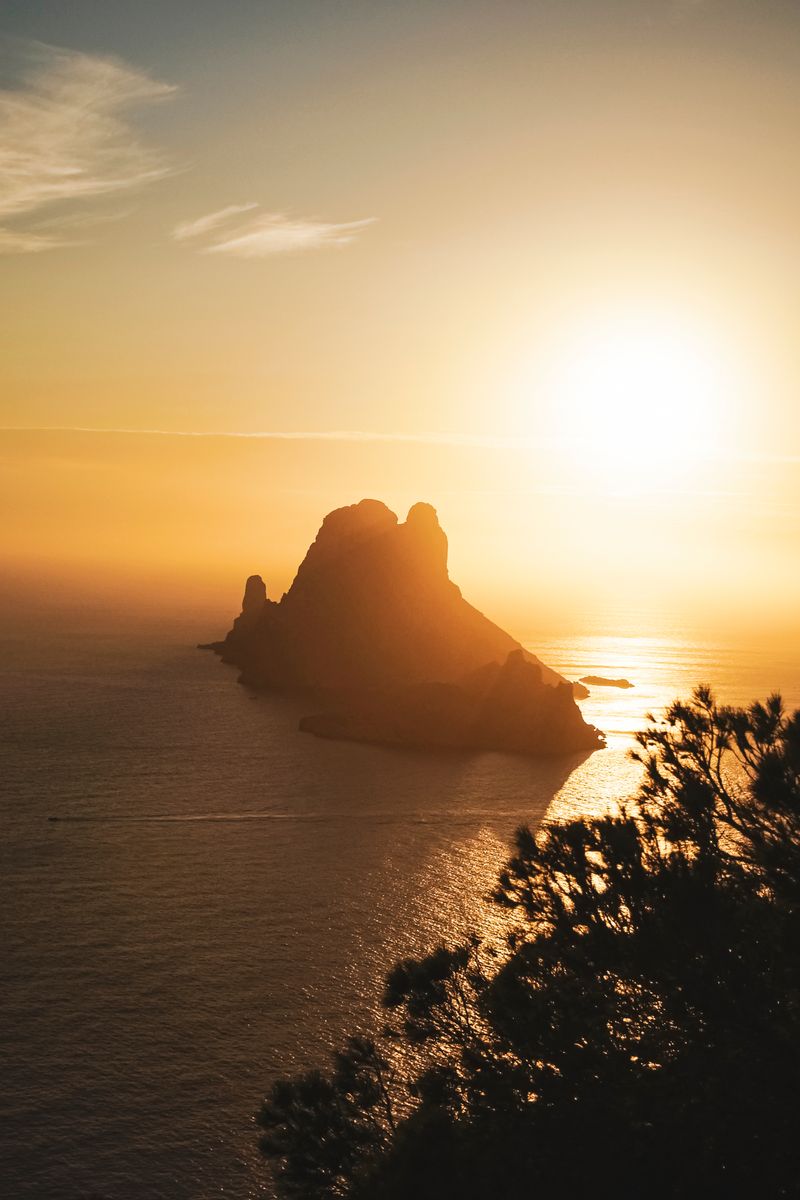
Sailing the Costa Brava and Catalonia
A charter guide to sailing the Costa Brava — from Barcelona and Palamós to the Medes Islands, Cap de Creus and the wild coves of Catalonia's mainland coast.
July 26, 2026 · 4 min read
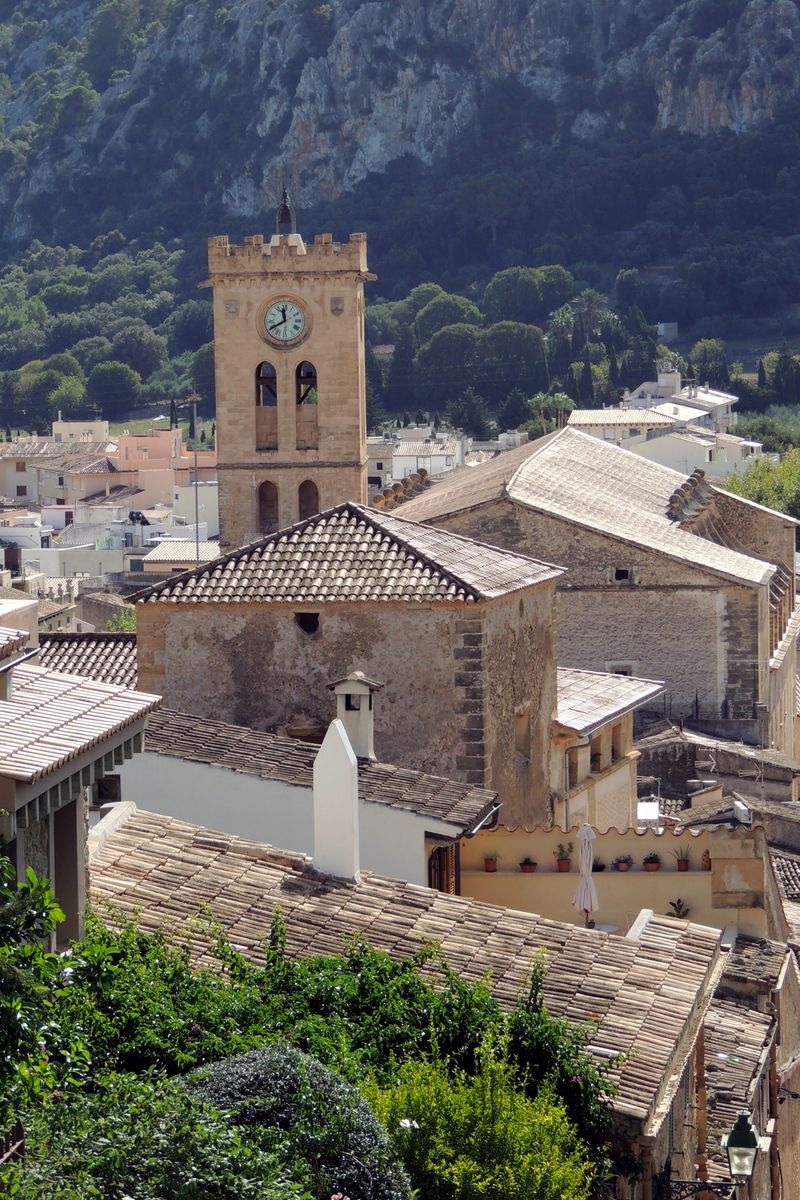
Sailing the Canary Islands
A charter guide to sailing the Canary Islands — year-round winter sun, steady trade winds, longer island hops between Tenerife, Lanzarote and La Graciosa, and whale-rich waters.
July 26, 2026 · 4 min read
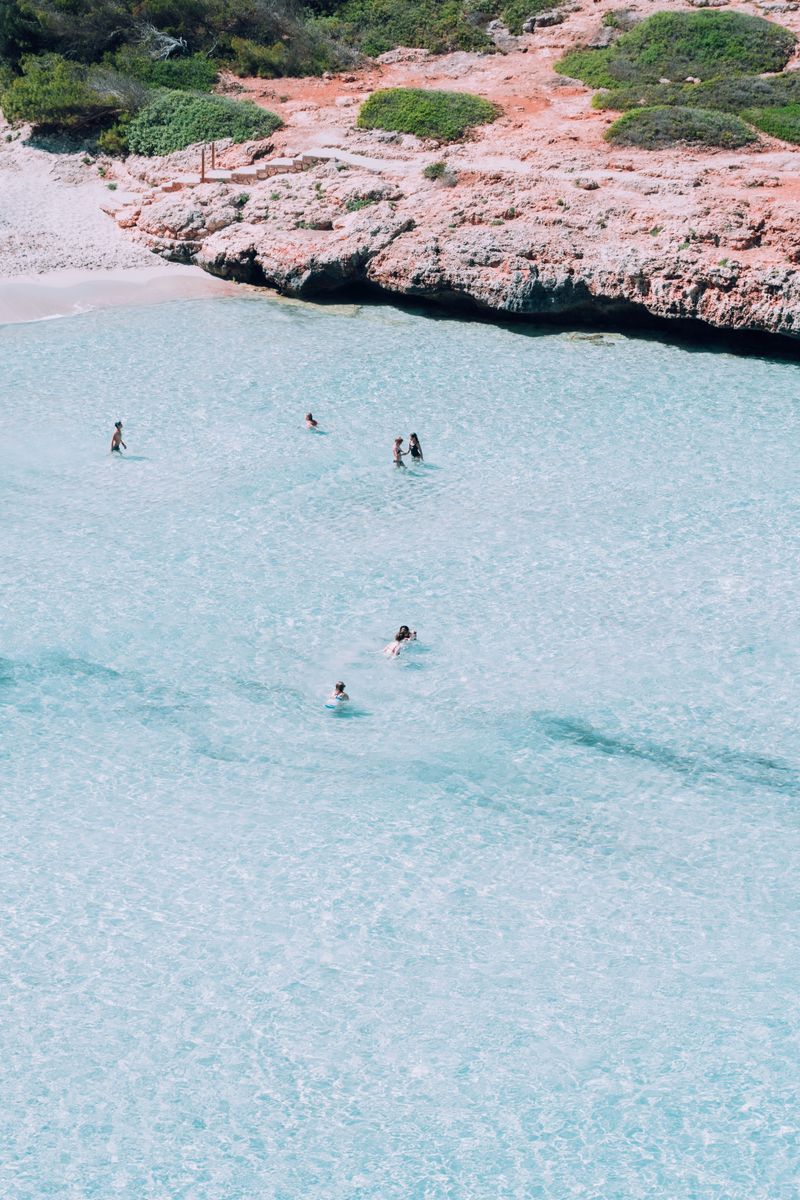
Sailing the Balearics: Mallorca, Menorca and Ibiza
Sailing the Balearics blends Mallorca's dramatic calas, quiet Menorca and Ibiza's turquoise coves. A guide to bases, island-hopping, seasons and a week afloat.
July 15, 2026 · 5 min read