Sailing the Costa Brava and Catalonia
By Where we sailing? · July 26, 2026 · 4 min read
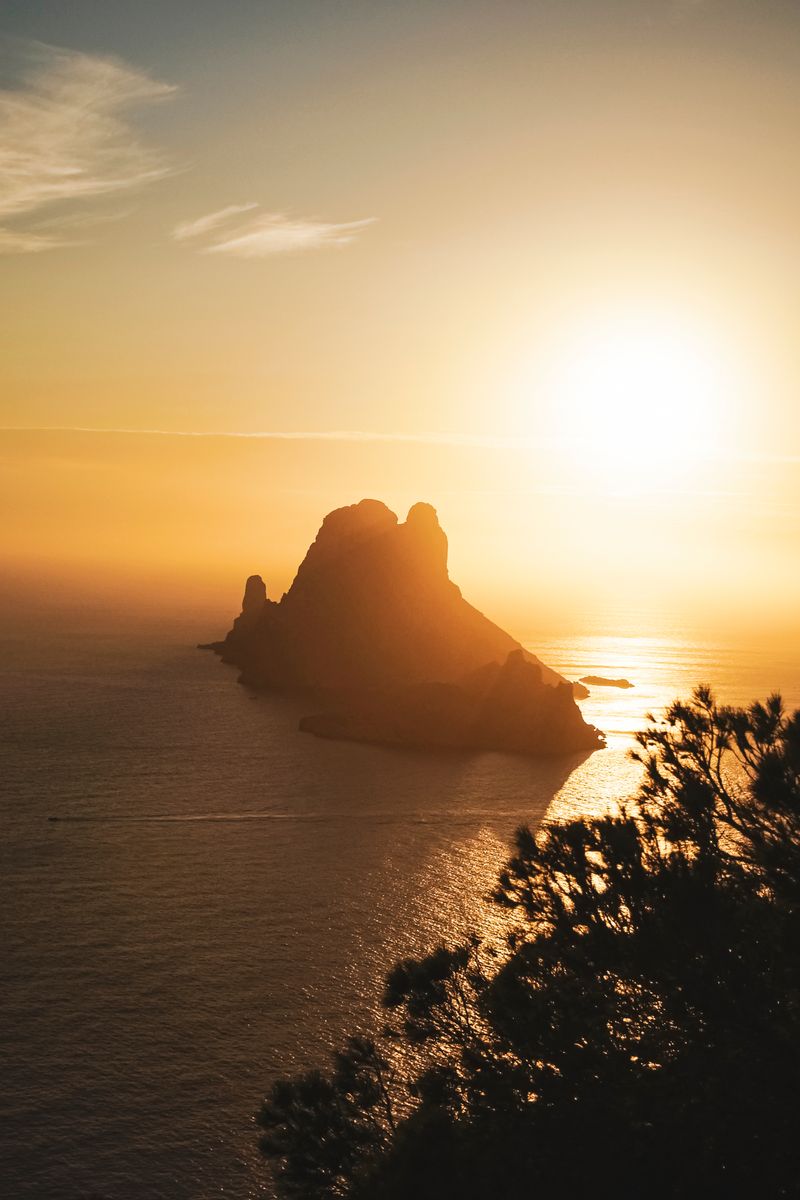
Everyone flies to Palma for the Balearics, but Catalonia's own coast — the Costa Brava, the "wild coast" — is one of the most underrated charter grounds in the western Mediterranean. Pine-covered cliffs drop straight into clear water, hidden calas hide at the foot of goat tracks, and you sail past medieval fishing villages, a marine reserve teeming with fish, and the surreal Dalí-country headland of Cap de Creus. It's mainland Spain sailing at its best: short hops, easy flights into Barcelona or Girona, and far fewer charter boats than the islands. Here's how to do it.
The short answer
Sail the Costa Brava from late May to September, with June and September the pick for warm water, settled weather and quiet coves. Base yourself at Palamós or Empuriabrava to be right on the best cruising ground, or start from Barcelona if you want the city first. The classic route runs north from Palamós past the Medes Islands to Cap de Creus and the Bay of Roses. Watch for the tramuntana, the strong north wind that can funnel down over the Gulf of Lion, especially around Cap de Creus.
Where to start: the charter bases
- Palamós — the natural hub, sitting mid-coast with the best cruising in easy reach north and south. Good fleet, working fishing port, great restaurants.
- Empuriabrava / Roses — further north, close to Cap de Creus and the Medes; handy for Girona airport.
- Barcelona (Port Olímpic / Port Vell) — start with the city, then sail north up the Costa Brava. Adds a longer first delivery leg, but hard to resist.
The highlights, south to north
The coves of the central Costa Brava
Between Palamós and Begur the coast folds into dozens of tiny calas — Cala Estreta, Aiguablava, Sa Tuna, Cala Sa Riera — pine-fringed, rocky and clear. Most are day anchorages; drop the hook, swim, lunch, move on. The medieval village of Cadaqués, further north, is the prettiest harbour on the coast.
The Medes Islands marine reserve
Off L'Estartit lies the Illes Medes, a cluster of protected islets and one of the best snorkelling and diving spots in the Mediterranean — grouper, rays and dense fish life over seagrass and rock. Anchoring is regulated to protect the reserve, so pick up a mooring or use the day zone and follow the local rules.
Cap de Creus
The wild, wind-scoured headland where the Pyrenees meet the sea — the easternmost point of mainland Spain, all twisted rock and Dalí associations (his house is at nearby Portlligat). Rounding it is the dramatic high point of any Costa Brava cruise, but it's the most exposed to the tramuntana, so time it for a calm window.
The Bay of Roses
North of Cap de Creus the coast opens into the broad, sheltered Bay of Roses, with long beaches, the canal-town of Empuriabrava, and the Greek and Roman ruins at Empúries just inland. A gentler, family-friendly finish to the route.
The tramuntana: the wind to respect
The tramuntana is a cold, dry north wind that pours off the Pyrenees and accelerates over the Gulf of Lion. On the northern Costa Brava — especially around Cap de Creus — it can blow hard, gusty and for days, kicking up a short sea. It brings brilliant clear skies but demands respect. Check the forecast before committing to the exposed northern legs, and keep sheltered anchorages to the south in mind as a bolt-hole.
How many days do you need?
A standard week (Saturday to Saturday) comfortably covers the coast from Palamós north to Cap de Creus and the Bay of Roses and back, at a relaxed 2–3 hours of sailing a day. Ten days lets you add the run south towards Barcelona, or make the offshore hop across to the Balearics — Menorca is roughly 100 nautical miles away, an overnight passage best left to experienced crews.
When to go
- June & September — the sweet spots: water in the low-to-mid 20s°C, settled weather, empty coves, lower prices.
- July & August — warmest sea (25–26°C) and liveliest towns, but busier and pricier; the tramuntana can still arrive.
- May & October — cheaper and quiet, cooler water (18–19°C), best for sailors more interested in the coast than sunbathing.
Browse the fleet on the Spain charters map, or filter for a catamaran if you want stability and space for a family week.
Frequently asked questions
Where is the best base for a Costa Brava charter? Palamós — it sits in the middle of the best cruising, with Cap de Creus and the Medes an easy sail north and the coves right on the doorstep.
Is the Costa Brava good for beginners? Yes, in the sheltered central coves in settled weather. The exposed northern headland at Cap de Creus is better suited to confident crews, and only in a calm forecast.
Can I sail from the Costa Brava to the Balearics? Yes — Menorca is about 100 nautical miles, an overnight offshore passage. It's a big step up from coastal hopping and needs experience and a settled window.
Ready to pick your week? Explore live Spain charters with real per-person pricing, or start a group trip and split the cost with your crew.
Keep reading

Sailing the Canary Islands
A charter guide to sailing the Canary Islands — year-round winter sun, steady trade winds, longer island hops between Tenerife, Lanzarote and La Graciosa, and whale-rich waters.
July 26, 2026 · 4 min read
Best Time to Sail the Balearics: Mallorca, Menorca and Ibiza
The best time to sail the Balearics is late May to June and September — warm seas, gentle breezes and quieter coves. A month-by-month charter guide to Mallorca, Menorca and Ibiza.
July 26, 2026 · 5 min read
Sailing the Balearics: Mallorca, Menorca and Ibiza
Sailing the Balearics blends Mallorca's dramatic calas, quiet Menorca and Ibiza's turquoise coves. A guide to bases, island-hopping, seasons and a week afloat.
July 15, 2026 · 5 min read