Best Time to Sail the Greek Islands: A Month-by-Month Charter Guide
By Where we sailing? · July 23, 2026 · 5 min read
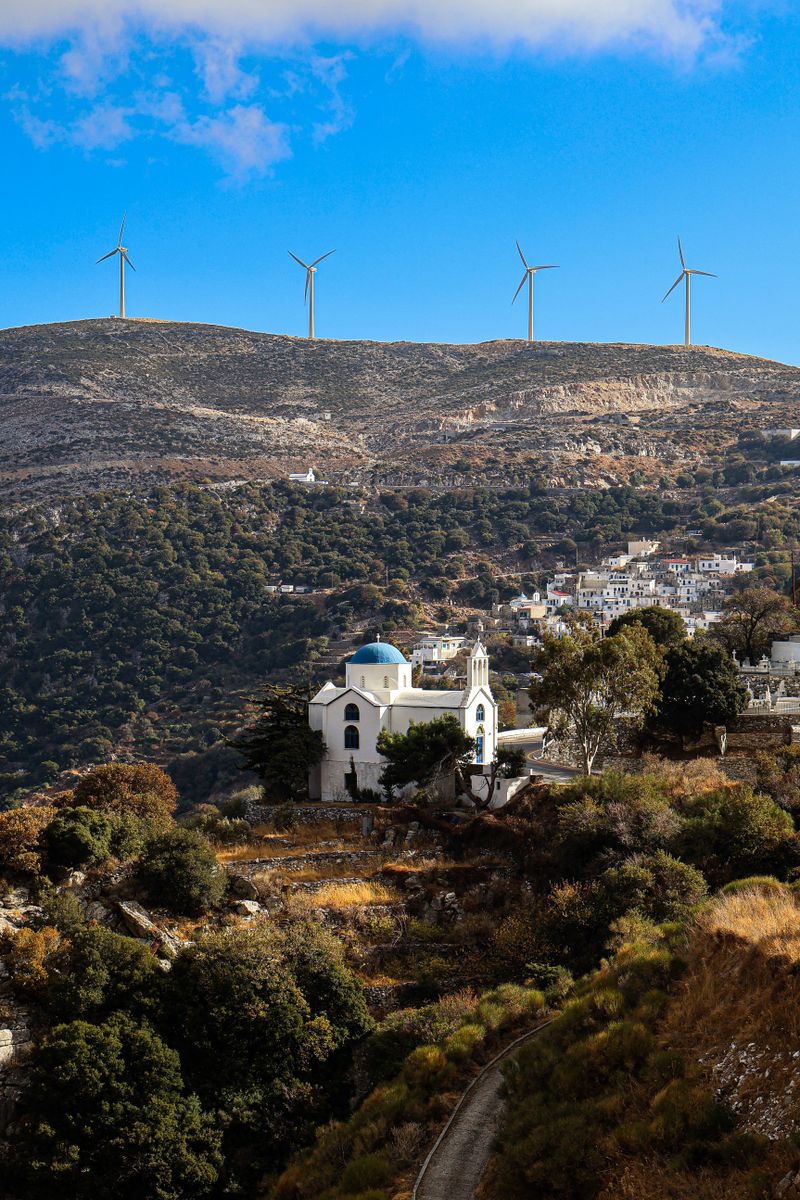
Greece is the most-chartered sailing destination on earth, and for good reason: thousands of islands, short hops between anchorages, reliable summer sun, and a taverna at the end of every day. But when you go changes the trip completely — the wind, the water temperature, the crowds and the price all swing hard across the season. This guide breaks down the Greek sailing calendar month by month so you can pick the week that fits the trip you actually want.
The short answer
For most sailors, the sweet spots are late May to mid-June and September to early October. You get warm water, long days, settled weather and noticeably thinner crowds than the July–August peak. July and August are gloriously hot and lively but busy, pricier, and — in the Aegean — windy. If your dates are fixed by school holidays, don't worry: Greece sails beautifully all summer. It's just a matter of choosing the right region for your week, which we cover below.
The Greek sailing season, month by month
April & early May — shoulder-season quiet
The season is waking up. Days are mild (18–22°C), the islands are green and wildflowered, and prices are at their lowest. The sea is still cool for swimming (~17°C) and some tavernas haven't opened yet. Great for experienced crews who want solitude and value over sunbathing.
Late May & June — the connoisseur's choice
Arguably the best all-round window. Warm days, comfortable nights, water climbing through the low 20s°C, and the summer meltemi wind hasn't fully set in. Anchorages that are packed in August still have room. Prices sit below peak. If you can travel now, do.
July & August — peak season
Hot, buzzing, and busy. Water is at its warmest (25–26°C), everything is open, and the islands are alive. Two things to plan around: crowded anchorages (arrive early or book a marina) and, in the Aegean, the meltemi (see below). Book your boat months ahead — the best yachts go first.
September — the insider's favourite
Many charterers' single favourite month. The sea is at its warmest after a summer of heating, the meltemi eases, the light turns golden, and the crowds thin as families head home. Settled, warm, romantic sailing.
October — a gentle wind-down
Early October can be glorious — warm sea, quiet harbours, low prices. By late October the season closes: some tavernas shutter and weather grows less predictable. A lovely time for a relaxed, unhurried cruise.
The meltemi: the one wind you must understand
The meltemi is a strong, dry north wind that blows across the Aegean, mostly in July and August, sometimes reaching 6–7 on the Beaufort scale for days at a time. It brings clear skies and thrilling sailing for experienced crews — but it can pin you in harbour and makes some crossings hard work.
The practical takeaway: it dictates where you sail in mid-summer, not whether you sail.
- Want flat water and gentle breezes in July/August? Head to the Ionian on Greece's west coast — sheltered, greener, and meltemi-free. See our Ionian charters.
- Want the classic whitewashed-island postcard and don't mind wind? The Cyclades deliver — Mykonos, Paros, Naxos, Santorini. Explore Cyclades charters.
Where to sail, by experience level
- First-timers & families: the Ionian (Corfu, Lefkas, Kefalonia) — short hops, calm water, easy navigation.
- Confident crews chasing the iconic Aegean: the Cyclades — bigger passages, real wind, unforgettable islands.
- Something in between: the Saronic (near Athens) and the Dodecanese (Rhodes, Kos) — history, good sailing, easy flights.
Browse the whole fleet on the Greece charters map, or filter by boat type if you already know you want the stability of a catamaran.
How many days do you need?
A week (the standard Saturday-to-Saturday charter) comfortably covers one region at a relaxed pace — roughly 2–4 hours of sailing a day with plenty of time to swim, explore and eat. Ten days lets you range further or slow right down. Trying to combine the Ionian and the Cyclades in a single week means long deliveries and a lot of motoring — pick one and savour it.
A sample week in the Cyclades
- Day 1 — Athens (Alimos) → Kea: a gentle first hop to shake down the boat.
- Day 2 — Kea → Kythnos: anchor in the double-bay of Kolona.
- Day 3 — Kythnos → Serifos: hilltop chora, great tavernas.
- Day 4 — Serifos → Sifnos: the food island of the Cyclades.
- Day 5 — Sifnos → Paros: lively harbours, big beaches.
- Day 6 — Paros → Mykonos: the famous one, best at anchor.
- Day 7 — back toward base, timing your crossing for the morning calm.
When is it cheapest?
Charter prices track demand: lowest in April, May and late October, climbing to a July–August peak, then easing again in September. If budget matters more than warm water, the shoulder seasons win twice — cheaper boats and quieter anchorages. Our Greece charters show live per-person pricing by week, so you can see the seasonal swing for yourself.
Frequently asked questions
What is the best month to sail in Greece? June and September are the all-round best — warm, settled and less crowded than mid-summer, with the meltemi wind at its gentlest.
Is it windy sailing in Greece? It depends where and when. The Aegean (Cyclades) gets the strong summer meltemi in July and August; the Ionian, on the west coast, stays calm all season.
Can beginners sail the Greek islands? Yes — start in the Ionian, where short hops and sheltered water make for an easy, confidence-building week.
How far ahead should I book? For peak July–August dates and the best boats, book 4–9 months ahead. Shoulder-season weeks can often be found much later.
Ready to pick your week? Explore live Greek island charters with real per-person pricing, or start a group trip and split the cost with your crew.
Keep reading
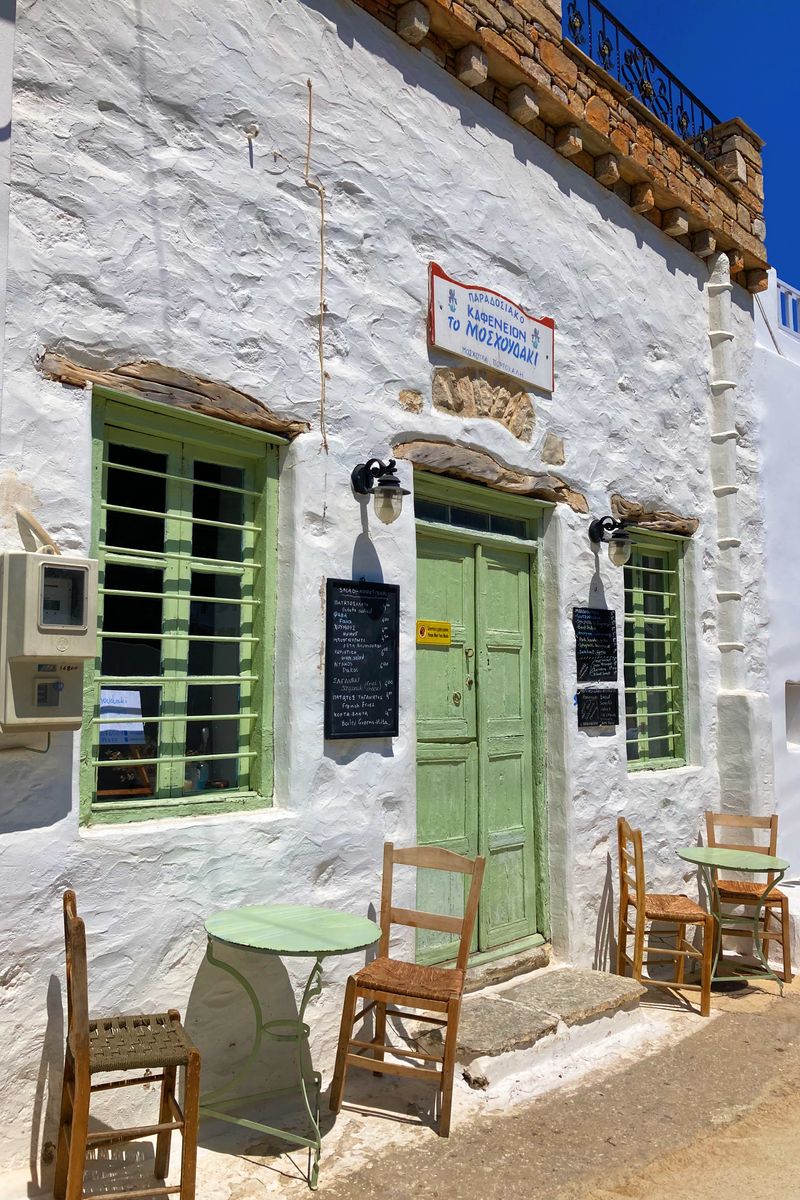
Sailing the Sporades, Greece: Skiathos, Skopelos and Alonissos
A charter guide to the Sporades — sailing from Skiathos to green Skopelos and Alonissos, through Greece's National Marine Park, a sheltered and quieter corner of the Aegean.
July 26, 2026 · 4 min read
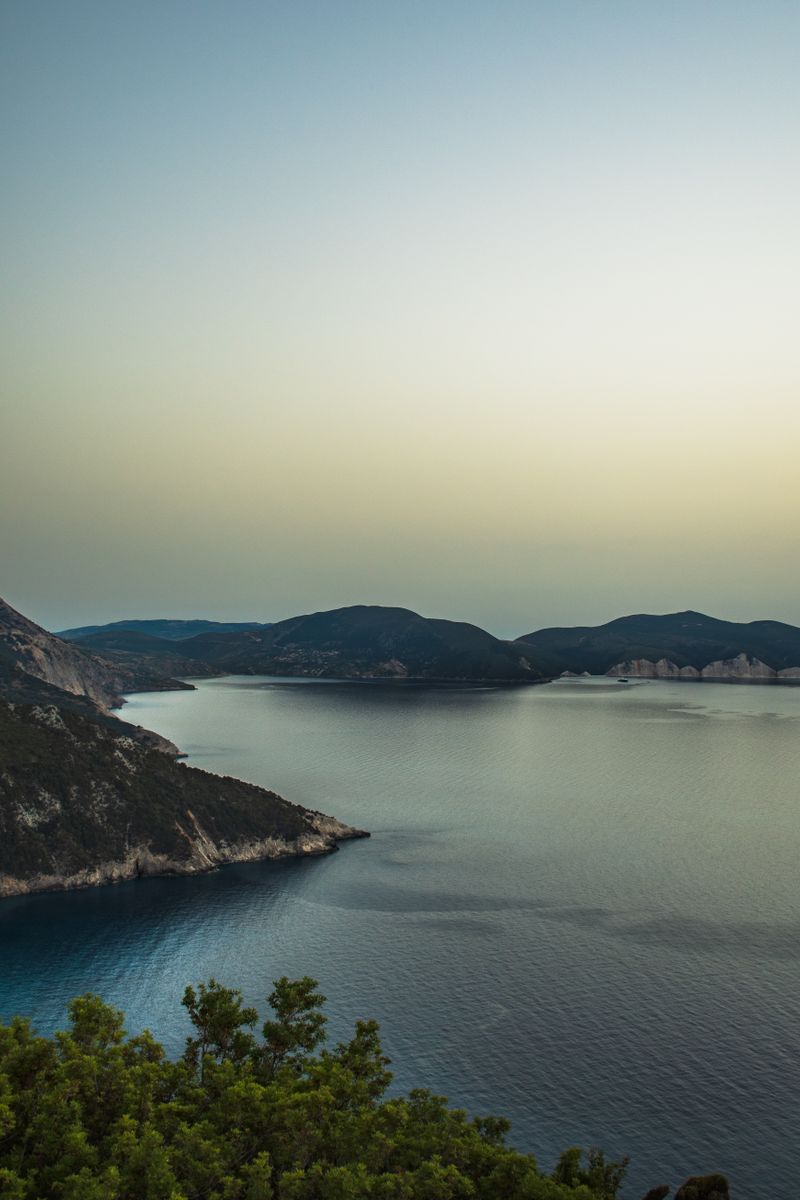
Sailing the North Aegean and Halkidiki
A charter guide to Greece's uncrowded north — sailing Halkidiki and Thassos from Thessaloniki, with Mount Athos views and empty anchorages far from the tourist trail.
July 26, 2026 · 4 min read
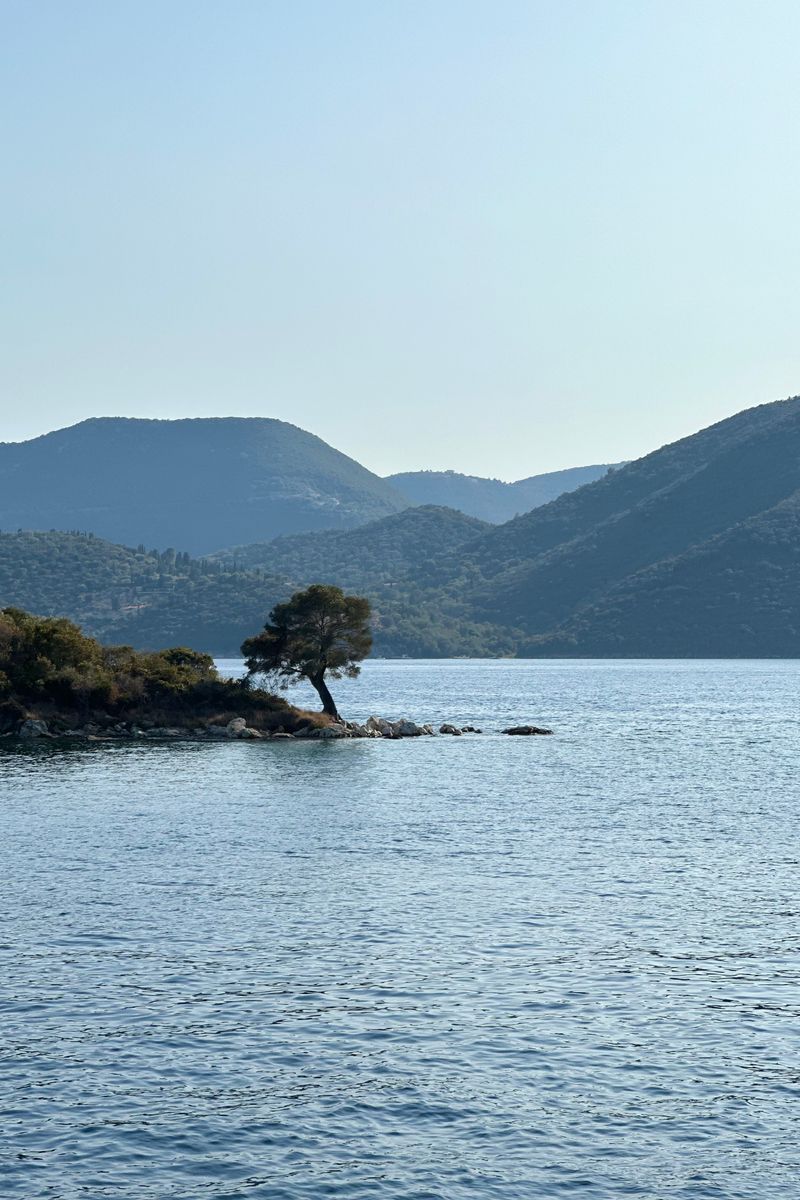
Cyclades vs Ionian: Which Greek Islands Should You Sail?
Cyclades vs Ionian — one is windy, dramatic and iconic, the other calm, green and easy. A head-to-head guide to choosing the right Greek islands to sail.
July 20, 2026 · 5 min read