Sailing the North Aegean and Halkidiki
By Where we sailing? · July 26, 2026 · 4 min read
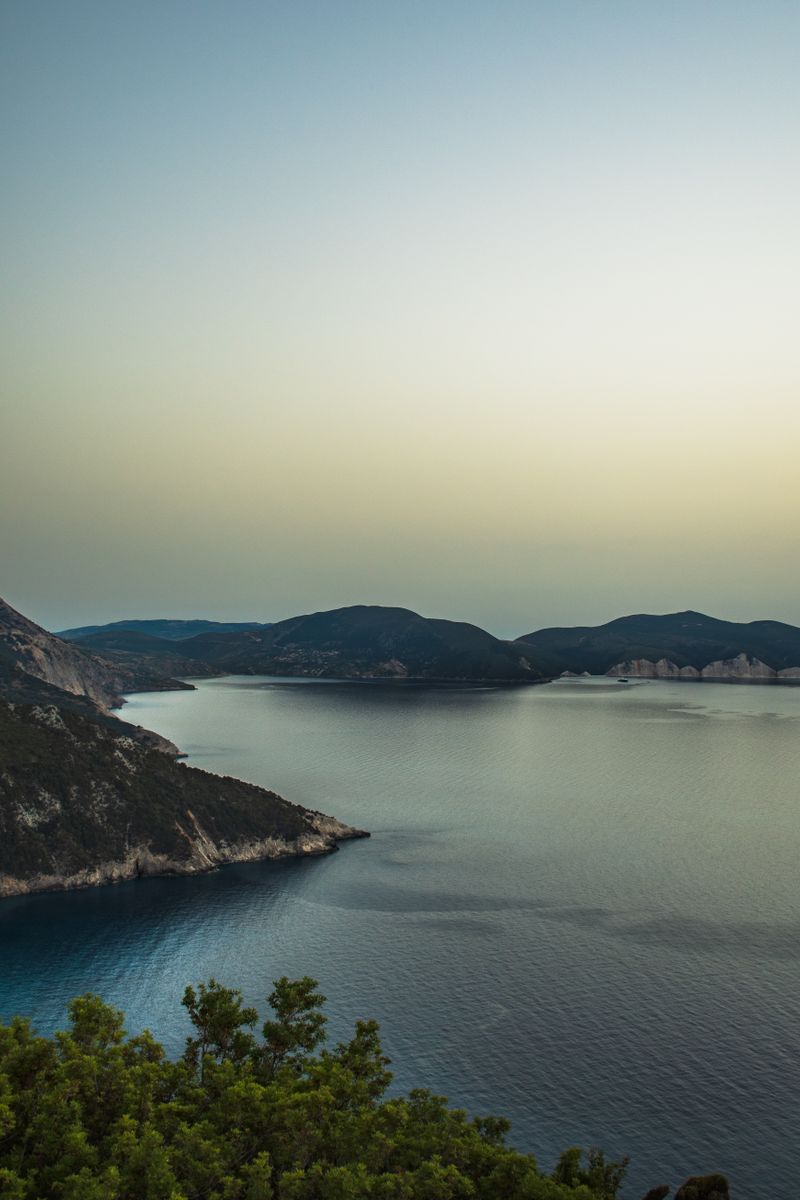
Ask most sailors where to charter in Greece and they'll say the Ionian or the Cyclades. Almost nobody says the north — which is exactly why it's worth a look. The North Aegean and the three-fingered peninsula of Halkidiki offer green forested coastlines, long empty beaches, warm sheltered water and something genuinely rare in Greek sailing: the chance to cruise past the mystical monastic republic of Mount Athos. Flying into Thessaloniki puts you on a coast the charter crowds have never found. Here's how to sail it.
The short answer
Sail the North Aegean from late May to September, with June and September the pick. Base near Thessaloniki — Greece's second city, with a big international airport — and sail out into Halkidiki and across to the green island of Thassos. This is Greece's most uncrowded charter region: forested coasts, sandy anchorages, and views of the holy mountain of Athos. The meltemi reaches here but is generally gentler and more northerly than in the Cyclades. Ideal for crews who want space and quiet over nightlife.
Why sail the North Aegean?
- Empty water — this is the least-chartered corner of mainland Greece. Even in August you'll find anchorages to yourself that would be jammed further south.
- Green and lush — Halkidiki and Thassos are forested, with pine and olive running down to sandy beaches; the landscape feels more Adriatic than Aegean.
- Mount Athos — the self-governing Orthodox monastic peninsula, closed to the general public for a thousand years, its Byzantine monasteries clinging to the cliffs below a 2,000-metre peak. You can't land (and women can't approach within a set distance by sea), but sailing along its coast is a genuinely unforgettable, otherworldly experience.
The cruising ground
Halkidiki's three peninsulas
Halkidiki reaches into the Aegean as three long fingers:
- Kassandra (the western finger) — the most developed, with resorts and lively beaches; the gentler introduction.
- Sithonia (the middle finger) — the sailor's favourite: forested, quiet, indented with beautiful sandy coves like Kalamitsi and the anchorages around Porto Koufo, one of Greece's most sheltered natural harbours.
- Athos (the eastern finger) — the monastic republic, off-limits ashore but spectacular from the water.
Thassos
A round, green, mountainous island off the northern coast — marble quarries, forested hills, sandy beaches and honey. A rewarding 20-plus-mile hop across from the mainland and a lovely northern turning point.
Ammouliani and the smaller isles
The little island of Ammouliani, tucked between Sithonia and Athos, has fine sandy anchorages and a laid-back harbour — a perfect base for gazing across at the holy mountain.
The winds
The North Aegean feels the summer meltemi, but here it tends to arrive from the north or north-east and is generally less ferocious than in the central Cyclades. The deep, well-sheltered bays — Porto Koufo above all — give reliable refuge, so you can nearly always find a comfortable overnight. Plan the more open crossings (to Thassos, or along the exposed Athos coast) for settled windows, and enjoy some of the calmest anchorages in the Aegean the rest of the time.
How many days do you need?
A standard week (Saturday to Saturday) comfortably explores Halkidiki's Sithonia peninsula, a sail along the Athos coast and a hop to Ammouliani, at a relaxed 2–3 hours of sailing a day. Ten days lets you add the crossing to Thassos and back without rushing. Distances are modest and anchorages plentiful, so there's no pressure to cover ground.
A sample week from near Thessaloniki
- Base → Kassandra's east coast (gentle first hop, sandy anchorage).
- Across to Sithonia (Porto Koufo, the great natural harbour).
- Sithonia's coves (Kalamitsi, Tristinika — swim and explore).
- Sithonia → Ammouliani (views of Mount Athos).
- Along the Athos coast (sail past the monasteries; no landing).
- Back towards Sithonia or across to Thassos for the bold.
- Return to base, timing the crossing for the morning calm.
When to go
- June & September — the sweet spots: water in the mid-20s°C, settled weather, empty anchorages, lower prices.
- July & August — warmest sea (25–26°C) and liveliest ashore, but still far quieter than southern Greece.
- May & October — cheaper and calm, cooler water, a fine time for an unhurried cruise.
Browse the fleet on the Greece charters map, or filter for a catamaran if you want space and stability for a family week.
Frequently asked questions
Can you sail past Mount Athos? Yes — you can sail along the Athos coast and admire the monasteries from the water, though landing is forbidden and women may not approach within a set distance by sea. It's the highlight of a North Aegean cruise.
Is the North Aegean crowded? It's the least-crowded charter region in mainland Greece. Even in peak season you'll find empty anchorages, especially on the Sithonia peninsula.
Where do I start a North Aegean charter? Near Thessaloniki, which has a large international airport and puts you within easy reach of Halkidiki's three peninsulas.
Ready to pick your week? Explore live Greece charters with real per-person pricing, or start a group trip and split the cost with your crew.
Keep reading
Sailing the Sporades, Greece: Skiathos, Skopelos and Alonissos
A charter guide to the Sporades — sailing from Skiathos to green Skopelos and Alonissos, through Greece's National Marine Park, a sheltered and quieter corner of the Aegean.
July 26, 2026 · 4 min read
Best Time to Sail the Greek Islands: A Month-by-Month Charter Guide
The best time to sail the Greek islands is May, June, September and early October — warm seas, calmer winds and thinner crowds. A month-by-month charter guide.
July 23, 2026 · 5 min read
Cyclades vs Ionian: Which Greek Islands Should You Sail?
Cyclades vs Ionian — one is windy, dramatic and iconic, the other calm, green and easy. A head-to-head guide to choosing the right Greek islands to sail.
July 20, 2026 · 5 min read