Sailing Guadeloupe and Les Saintes
By Where we sailing? · July 26, 2026 · 4 min read
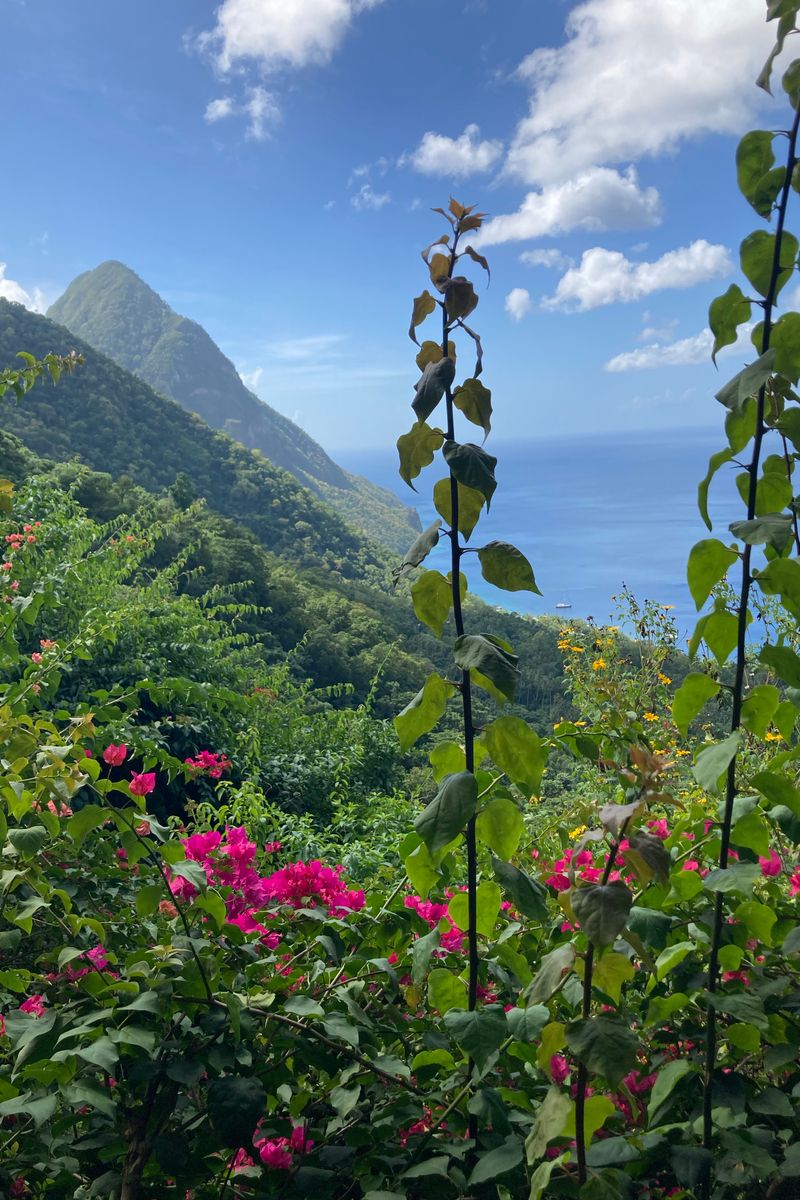
Guadeloupe is the French Caribbean at its most rewarding — a butterfly-shaped main island surrounded by a scatter of smaller ones, each with its own character. Off its southern coast lie Les Saintes, whose main bay is often called one of the most beautiful in the world, and the sleepy rum island of Marie-Galante. Add steady trade winds, euros in your pocket and a baguette at every quay, and you have a cruising ground that combines proper sailing with real French flavour. This guide covers the base, the islands and what to expect on the water.
The short answer
Charter from Pointe-à-Pitre (the marina at Bas du Fort is the main hub), then sail south to the little archipelago of Les Saintes, the round-island of Marie-Galante and, for the ambitious, on toward Dominica. Expect steady 15–20 knot trade winds, a mix of sheltered and open-water hops, and a strong French-Caribbean identity. As across the Caribbean, catamarans dominate the fleet.
The base: Pointe-à-Pitre
Most charters start at the marina of Bas du Fort, near Pointe-à-Pitre, in the sheltered waters where Guadeloupe's two wings meet. It's a well-equipped base with chandlers, restaurants and good provisioning — stock up here before heading south, as supplies thin out on the smaller islands. The nearby Rivière Salée, the mangrove channel dividing the butterfly's two halves, and the anchorages of Petite-Terre to the east make easy first stops.
Browse the Guadeloupe fleet or compare Caribbean catamarans.
Les Saintes — the jewel
The signature stop is Les Saintes (Îles des Saintes), a cluster of small islands about 15 nautical miles south of Guadeloupe's main coast.
- Terre-de-Haut — the main island, with the horseshoe Baie des Saintes beneath Fort Napoléon, often ranked among the world's loveliest bays. Pick up a mooring, wander the pastel village, and climb to the fort for the view.
- Pain de Sucre — a granite-and-green "sugarloaf" headland with a snorkelling cove tucked beside it.
- Terre-de-Bas — quieter and less visited, for those who want to escape the day-trippers.
Anchoring is restricted to protect the seabed, so plan on moorings in the main bay.
Marie-Galante and beyond
- Marie-Galante — a flat, round island southeast of Guadeloupe, known for its windmills, ox-carts and superb rhum agricole. Anchorages at Saint-Louis and Grand-Bourg make relaxed, authentic stops well off the tourist trail.
- Petite-Terre — a protected nature reserve of two low islets, famous for iguanas, turtles and clear-water snorkelling.
- Dominica — for longer, multi-week charters, the wild "Nature Island" lies further south across an open channel.
The trade winds and the sailing
The easterly trade winds blow 15–20 knots through the main season, gusting harder in the December–January Christmas Winds and accelerating in the channels between islands. The hop to Les Saintes is a moderate open-water passage of around 15 nautical miles with Atlantic swell — real sailing, best crossed in the morning. Guadeloupe suits confident intermediate and experienced crews; the sheltered inner waters near the base are gentler for finding your feet.
Snorkelling and marine life
Sea temperatures stay around 27–29°C all year, so you'll swim daily.
- Petite-Terre reserve — iguanas, rays and turtles in gin-clear water.
- Cousteau Reserve (Pigeon Islands) off Guadeloupe's west coast — the famous dive and snorkel site named for Jacques Cousteau.
- Bring reef-safe sunscreen and expect a modest fee in protected areas.
When to go
Guadeloupe sails best in the Caribbean dry season, December to April, when the trades are steadiest and rain is rare. Hurricane season runs June to November, peaking in September; most days are fine but the forecast matters. See our best time to sail the Caribbean guide for the detail.
Frequently asked questions
Is Guadeloupe good for beginners? The sheltered inner waters near Pointe-à-Pitre are manageable for confident intermediates, but the open crossing to Les Saintes suits experienced crews or a skippered charter.
What's the must-see stop? The Baie des Saintes at Terre-de-Haut — mooring beneath Fort Napoléon in one of the world's most beautiful bays.
Do I need euros and French? Yes to euros — Guadeloupe is French territory. A little French goes a long way, though English is understood at the marinas and tourist spots.
Ready to explore? Browse Guadeloupe charters, compare catamarans, or open the full fleet map.
Keep reading

Best Time to Sail the Caribbean
The best time to sail the Caribbean is December to April — steady trade winds, dry skies and warm seas. A month-by-month charter guide with hurricane-season advice.
July 26, 2026 · 5 min read
Sailing the Grenadines: Bequia, Tobago Cays and Mustique
A guide to chartering a yacht in St Vincent and the Grenadines — steady trade winds, short island hops from Bequia to the Tobago Cays, and why catamarans rule here.
July 26, 2026 · 4 min read

Sailing Martinique and the Windward Islands
A guide to chartering from Martinique's Le Marin base — steady trade winds, longer Caribbean hops to St Lucia, rum distilleries and catamaran cruising in the Windwards.
July 26, 2026 · 4 min read