Sailing the Grenadines: Bequia, Tobago Cays and Mustique
By Where we sailing? · July 26, 2026 · 4 min read
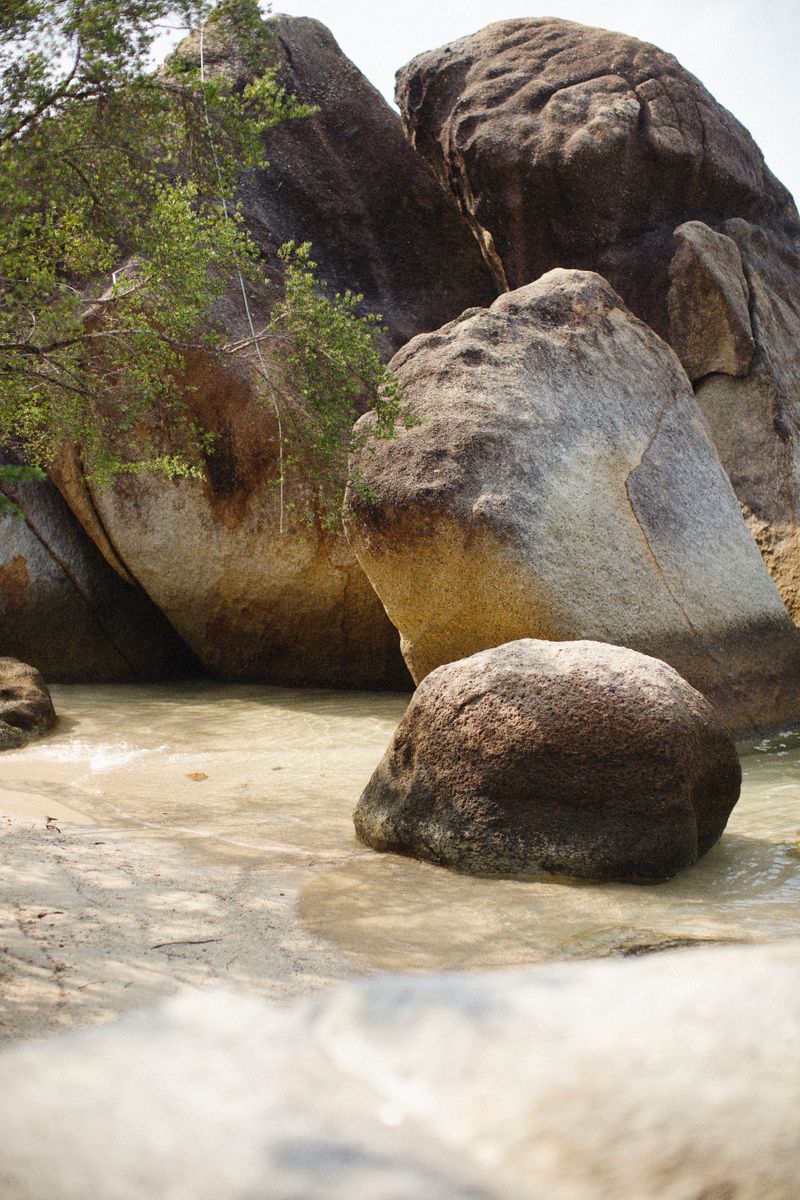
If you drew up the perfect Caribbean sailing ground, you might well end up with the Grenadines. A necklace of small islands trailing south from St Vincent, they offer steady trade winds, short reaching hops between anchorages, and — at their heart — the Tobago Cays, a cluster of uninhabited islets ringed by a horseshoe reef that shelters some of the finest snorkelling in the Caribbean. This guide covers where you sail, how far apart everything is, and what makes the Grenadines special.
The short answer
Charter out of St Vincent (or often Bequia), then work your way south down the chain — Bequia, Mustique, Canouan, Mayreau, the Tobago Cays and Union Island — before turning back north. It's a compact, downwind-then-upwind cruising ground with reliable easterly trade winds and short hops of a few hours between islands. As across the Caribbean, catamarans dominate the fleet for their stability, shallow draft and swim-off-the-back deck space.
The islands, north to south
- Bequia — the sailors' island. Admiralty Bay is a classic, well-provisioned anchorage with good bars, boat-boys selling ice and bread, and a genuine seafaring history. Most trips start or overnight here.
- Mustique — private, polished and famous, with moorings in Britannia Bay and the legendary Basil's Bar. Anchoring is restricted; pick up a mooring and go ashore.
- Canouan — a quieter stop with fine beaches and an upmarket resort end.
- Mayreau — tiny, with the twin-beach anchorage of Saltwhistle Bay and a short walk up to a hilltop village and church.
- Tobago Cays — the jewel: five uninhabited islets inside the Horseshoe Reef, a marine park where you snorkel with green turtles over seagrass and coral. Anchor behind the reef and watch the Atlantic break just yards away.
- Union Island — the southern hub, with Clifton's reef-protected harbour, kitesurfing, and a laid-back Happy Island bar built on a sandbar of conch shells.
Why catamarans rule here
The Grenadines fleet is overwhelmingly catamaran, and it suits the ground perfectly:
- Shallow draft for tucking behind reefs and into the shelving bays.
- Stability at anchor for the endless swimming and snorkelling.
- Space and shade for the year-round warmth.
Browse the St Vincent and the Grenadines fleet or compare Caribbean catamarans.
The trade winds and the sailing
The easterly trade winds are the engine of a Grenadines charter, typically 15–20 knots through the main season and gusting more in the Christmas Winds of December–January. The chain runs roughly north–south, so the trades give you fast beam reaches between most islands. The passages are short — usually two to four hours — but there's real, open-water sailing between the islands, with Atlantic swell on the eastern side. This makes the Grenadines a rewarding ground for confident sailors rather than absolute beginners.
Snorkelling and the marine park
Sea temperatures stay around 27–29°C all year, so you'll swim daily.
- Tobago Cays Marine Park — the highlight, with a protected turtle-grazing area, vivid reef fish and the surreal experience of anchoring inside a barrier reef.
- Mayreau and Union — fringing reefs and easy beach snorkelling.
- Bring reef-safe sunscreen and expect a modest marine-park fee in the Cays.
Getting there and around
Most sailors reach St Vincent (Argyle International, SVD) or connect to Bequia, Canouan or Union by short flight or ferry. Provision on St Vincent or Bequia before heading south — the smaller islands have limited supplies, though boat-boys sell fish, fruit and bread at anchor. You'll mostly anchor or pick up moorings rather than use marinas.
When to go
The Grenadines sail best in the Caribbean dry season, roughly December to April, when the trades are steadiest and rain is rare. The hurricane season runs June to November, peaking in September; most days are fine but the forecast matters. For the full picture, see our best time to sail the Caribbean guide.
Frequently asked questions
How many days do I need for the Grenadines? A week comfortably covers Bequia down to the Tobago Cays and Union and back. Ten days lets you linger longer at each island.
Are the Grenadines good for beginners? They suit confident intermediate crews. The hops are short but there's real trade-wind sailing and Atlantic swell between islands; nervous first-timers may prefer more sheltered grounds or a skippered charter.
What's the must-see stop? The Tobago Cays — anchoring inside the Horseshoe Reef and snorkelling with turtles is the trip's defining experience.
Ready to explore? Browse St Vincent and the Grenadines charters, compare catamarans, or open the full fleet map.
Keep reading

Best Time to Sail the Caribbean
The best time to sail the Caribbean is December to April — steady trade winds, dry skies and warm seas. A month-by-month charter guide with hurricane-season advice.
July 26, 2026 · 5 min read

Sailing Martinique and the Windward Islands
A guide to chartering from Martinique's Le Marin base — steady trade winds, longer Caribbean hops to St Lucia, rum distilleries and catamaran cruising in the Windwards.
July 26, 2026 · 4 min read
Sailing Guadeloupe and Les Saintes
A guide to chartering a yacht in Guadeloupe — the butterfly-shaped island, the postcard anchorages of Les Saintes and Marie-Galante, and French-Caribbean cruising.
July 26, 2026 · 4 min read