Sailing Madeira and the Azores: Portugal's Atlantic Islands
By Where we sailing? · July 26, 2026 · 5 min read
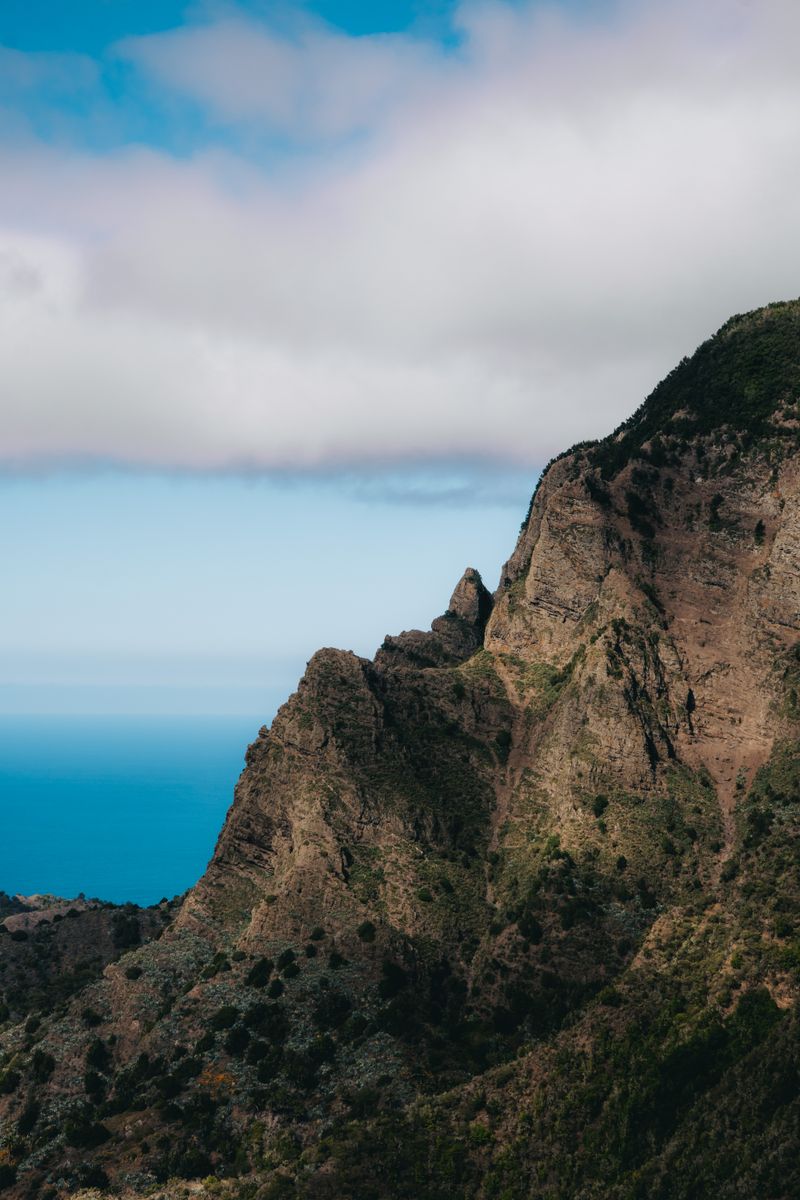
These are Portugal's wild cards — two volcanic archipelagos flung far out into the Atlantic, hundreds of miles from the mainland, where the sailing feels less like a Mediterranean pottering holiday and more like a proper ocean adventure. Madeira rises in dramatic green cliffs off the coast of North Africa; the Azores scatter across the mid-Atlantic like the tips of submerged mountains. Both offer deep, clear water, some of the best whale-watching on earth, and anchorages beneath volcanoes. This is a step up from the Algarve — and unforgettable for it.
The short answer
Sail the Azores from May to October and Madeira from April to October, both mildest and calmest in the summer months. This is bluewater cruising: passages between islands are measured in dozens of miles across open ocean, not the short hops of a sheltered coast, so it suits confident crews or those chartering with a skipper. The rewards are extraordinary — sperm whales and dolphins, volcanic calderas, hot-spring anchorages and green cliffs that plunge straight into deep blue water. See the fleet on our Portugal charters map.
Madeira and the Azores are not the Algarve
Set your expectations before you go. Out here:
- The passages are long. In the central Azores, hopping between Faial, Pico and São Jorge is a comfortable few hours, but reaching the outer islands means a full ocean day or an overnight. Madeira to its neighbour Porto Santo is around 30 nautical miles of open water.
- The water is deep and clear, but cooler. Sea temperatures peak around 22–24°C in late summer — swimmable and gin-clear, but Atlantic, not Med.
- The weather is oceanic. Conditions can shift; you plan around forecasts and keep sea room. This is real sailing, and all the more satisfying for it.
The Azores: the mid-Atlantic gem
Nine volcanic islands, green and dramatic, roughly 850 miles west of Lisbon. The central group — Faial, Pico and São Jorge — is the natural cruising heart, the three islands within easy reach of one another across the Canal do Faial.
- Horta on Faial is one of the great crossroads of the sailing world — its marina wall painted with the crests of thousands of Atlantic-crossing yachts, and Peter Café Sport pouring gin and tonics to sailors from everywhere.
- Pico is dominated by Portugal's highest mountain, a near-perfect volcanic cone, ringed by vineyards grown in black lava walls.
- The waters here are a whale sanctuary — sperm whales, blue whales in spring, and vast pods of dolphins. Time it right and you'll sail alongside them.
When to go to the Azores
June to September is the settled window: mildest weather, warmest sea, longest days. Spring (April–May) brings the great baleen whales on migration but less predictable conditions. The islands stay green year-round — it's the Atlantic weather, not the temperature, that sets the season.
Madeira: green cliffs and volcanic swims
Madeira sits much further south, off the coast of Morocco, which makes it milder and more reliable than the Azores — the "island of eternal spring." The main island is steep and lush, its coast lined with sheer cliffs and only a handful of natural harbours, so cruising here is more about set-piece anchorages and day sails than island-hopping.
- Funchal, the capital, is the base — a big marina, a lively town and easy provisioning.
- Porto Santo, 30 miles north-east, offers the opposite of Madeira's cliffs: a long, golden sand beach and a gentle overnight passage to reach it.
- The Desertas Islands, a protected nature reserve to the south-east, give wild, uninhabited anchorages beneath cliffs — home to monk seals and seabirds.
When to go to Madeira
Madeira sails well from April right through October, its subtropical climate keeping things mild even at the shoulders. Summer is warmest and calmest; the sea holds around 22–23°C into autumn.
What kind of boat and trip?
Because passages are longer and the ocean more serious, these islands favour a well-found, seaworthy boat and — for many charterers — a local skipper who knows the anchorages and the weather windows. A stable catamaran makes the open-water legs more comfortable, though experienced crews happily cruise monohulls. Think in terms of ten days to two weeks rather than a single Saturday-to-Saturday week: the distances reward time, and a one-way itinerary through the central Azores is a classic.
When is it cheapest?
Demand — and flights — peak in July and August. May, June and September offer the best balance of settled weather, whales and value, with quieter anchorages. Our Portugal charters show live per-week pricing so you can compare across the season.
Frequently asked questions
Are the Azores good for beginners? Less so — the open-ocean passages and Atlantic weather make them better suited to confident crews or a skippered charter. Beginners are happier on the sheltered Algarve.
Can I really see whales? Yes — the Azores are one of the world's premier whale grounds, with sperm whales year-round and blue and fin whales passing in spring.
Is Madeira easier than the Azores? Climatically, yes — it's milder and more reliable, but it has fewer harbours, so cruising is more about anchorages and day sails than island-hopping.
When is the best time to go? June to September for both, for the warmest sea and settledest weather; Madeira stretches comfortably into October.
Ready for the Atlantic? Explore live Portugal charters with real per-person pricing, or open the full map to compare destinations.
Keep reading
Sailing the Algarve: Portugal's Southern Coast by Boat
Sailing the Algarve means sheltered south-facing bays, golden cliffs and sea grottoes between Lagos, Portimão and Faro — Portugal's easiest, sunniest charter ground.
July 26, 2026 · 5 min read
Best Time to Sail Portugal: A Month-by-Month Guide
The best time to sail Portugal is May, June and September — warm days, kinder Atlantic swell and the nortada wind at its gentlest. A month-by-month guide.
July 26, 2026 · 5 min read
Your First Day Aboard: The Charter Handover Explained
A step-by-step guide to charter check-in day — base paperwork, the boat briefing, provisioning, the chart briefing, what to inspect, and your first night at anchor.
July 26, 2026 · 5 min read