Sailing the Algarve: Portugal's Southern Coast by Boat
By Where we sailing? · July 26, 2026 · 5 min read
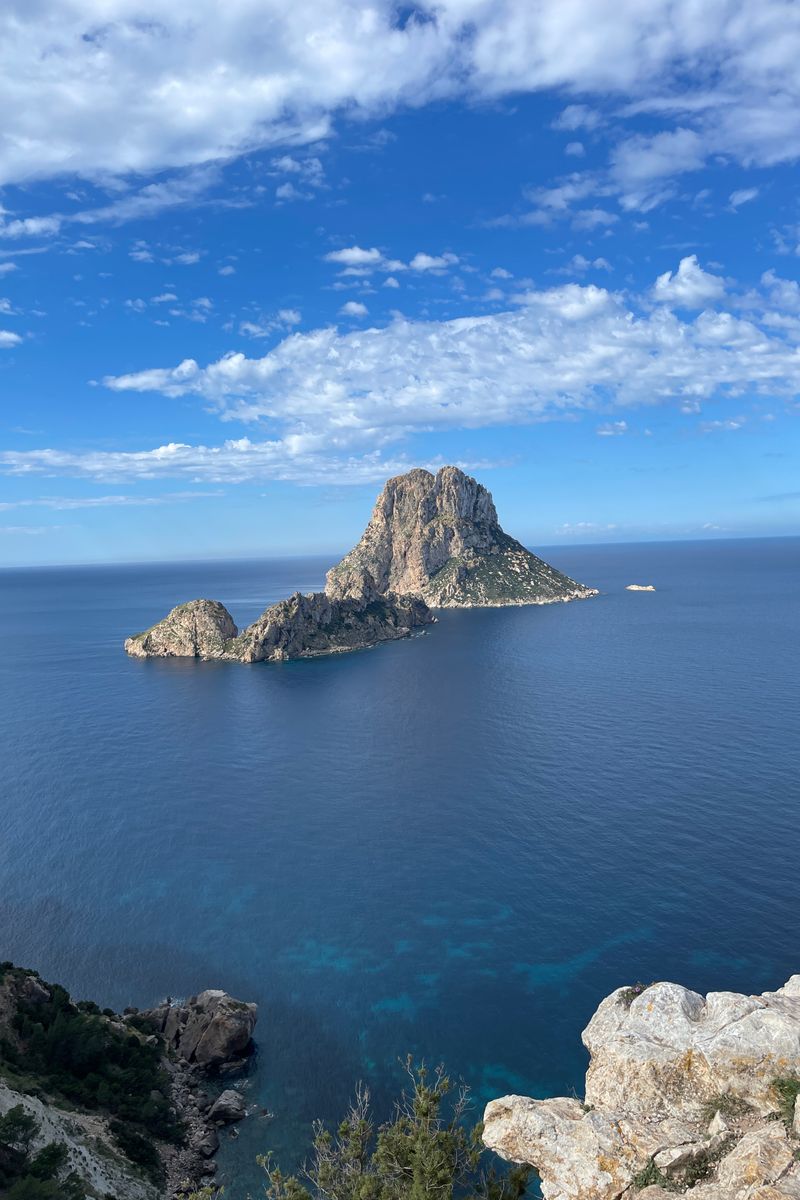
The Algarve is Portugal's answer to a gentle, sunny charter week — the one stretch of the country's Atlantic coast that faces south, sheltered from the worst of the summer swell and wind. That geography gives you flatter water, warmer sea, and a coastline of honey-coloured limestone carved into arches, grottoes and hidden beaches. It's the easiest place in Portugal to learn the ropes, and one of the prettiest afternoons of sailing anywhere in Europe. Here's how to do it.
The short answer
Sail the Algarve between May and September, basing yourself around Lagos or Portimão in the west and ranging east toward Faro and the Ria Formosa lagoon. The signature experience is a day sail beneath the sea cliffs and into the Benagil grottoes, with swim stops in turquoise coves. The water is mild (19–22°C in summer), the hops are short, and the south-facing shore keeps you out of the strong nortada wind that batters the west coast. Browse the fleet on our Portugal charters map.
Why the Algarve is different from the rest of Portugal
Most of Portugal's coast runs north–south and takes the full force of the Atlantic and the summer nortada. The Algarve turns the corner at Cabo de São Vicente — Europe's south-western tip — and runs east along a protected southern shore. The practical effect is enormous:
- Gentler wind. The nortada that gives the west coast force 5–7 afternoons arrives here softened and often as a pleasant sea breeze.
- Flatter water. Less ocean swell reaches into the south-facing bays, so anchorages sit calmer.
- Warmer sea. The south coast runs a few degrees warmer than Lisbon or the west, making swimming genuinely inviting.
That combination is why the Algarve is the country's default charter ground and the natural choice for first-time crews.
The highlights, west to east
Lagos
The classic western base — a lively marina, a walled old town, and quick access to the coast's best scenery. Just east lie the show-stopping cliffs of Ponta da Piedade, a maze of ochre stacks and arches best explored by dinghy or paddleboard at anchor.
Alvor & Portimão
A short hop on, Alvor offers a shallow, sandy lagoon and a laid-back village, while Portimão brings a big marina and easy provisioning. Between them and Lagos sits Benagil — the most famous of the Algarve's sea caves, its collapsed roof forming a natural skylight over a hidden beach.
The central cliffs
The coast between Portimão and Albufeira is pure day-sailing pleasure: mile after mile of grottoes, arches and pocket beaches you can only reach from the water. Anchor for lunch, swim into a cave, move on.
Faro & the Ria Formosa
Further east the cliffs give way to the Ria Formosa — a vast tidal lagoon of sandbars, barrier islands and birdlife behind Faro. It's shallow, sheltered and a different kind of sailing: quiet channels, empty sand-spit beaches, and clams pulled straight from the flats for dinner.
A relaxed week on the Algarve
- Day 1 — Lagos: shake down the boat, explore Ponta da Piedade by dinghy.
- Day 2 — Lagos → Alvor: anchor off the sandy lagoon, swim the afternoon away.
- Day 3 — Alvor → Benagil: the famous grotto and the cliff coast beyond.
- Day 4 — Portimão: marina night, provisioning, seafood ashore.
- Day 5 — the central cliffs → Albufeira: grotto-hopping with swim stops.
- Day 6 — toward Faro & the Ria Formosa: sandbars and quiet channels.
- Day 7 — back west, timing your run for the morning calm.
Short legs, warm water, no pressure — this is a week built for swimming and eating as much as for sailing.
Boats and practicalities
The Algarve suits almost anything, but a catamaran is a lovely fit here: shallow draught for the lagoons and sandbars, stable at anchor in the swell, and acres of deck for lazing off the cliffs. Monohulls sail beautifully too and often cost less. Distances are forgiving — Lagos to Faro is roughly 40 nautical miles, so you're never committed to a long day.
A few local notes: the tide matters more here than in the Med (plan the Ria Formosa's shallow entrances around it), and while the south coast is sheltered, the leg around Cabo de São Vicente to the west coast is properly exposed — save that for confident crews.
When to go
Peak sun and warmth run July and August, but they're the busiest and priciest weeks. June and September are the connoisseur's choice — warm sea, gentler winds, room to anchor at Benagil, and lower prices. For the full seasonal picture, see our best time to sail Portugal guide.
Frequently asked questions
Is the Algarve good for beginners? Yes — it's Portugal's easiest cruising ground. Short hops, sheltered south-facing bays and gentle winds make it ideal for first-timers.
What's the water like for swimming? Mild but refreshing: around 19–22°C in summer, warmer than the rest of Portugal's coast but cooler than the Mediterranean.
Can I visit the Benagil cave by boat? Yes — you anchor nearby and go in by dinghy, kayak or paddleboard. It's the single most popular stop on the coast, so arrive early to have it to yourself.
How long a charter do I need? A week is perfect for Lagos to Faro at a relaxed pace, with plenty of time for swimming and grotto-hopping.
Ready to explore? Browse live Algarve and Portugal charters with real per-person pricing, or open the full map.
Keep reading
Sailing Madeira and the Azores: Portugal's Atlantic Islands
Sailing Madeira and the Azores means volcanic anchorages, whales and dolphins and real ocean passages — mild, green mid-Atlantic islands best from May to October.
July 26, 2026 · 5 min read
Best Time to Sail Portugal: A Month-by-Month Guide
The best time to sail Portugal is May, June and September — warm days, kinder Atlantic swell and the nortada wind at its gentlest. A month-by-month guide.
July 26, 2026 · 5 min read
Your First Day Aboard: The Charter Handover Explained
A step-by-step guide to charter check-in day — base paperwork, the boat briefing, provisioning, the chart briefing, what to inspect, and your first night at anchor.
July 26, 2026 · 5 min read