Sailing the Amalfi Coast: A First-Timer's Guide
By Where we sailing? · July 17, 2026 · 5 min read
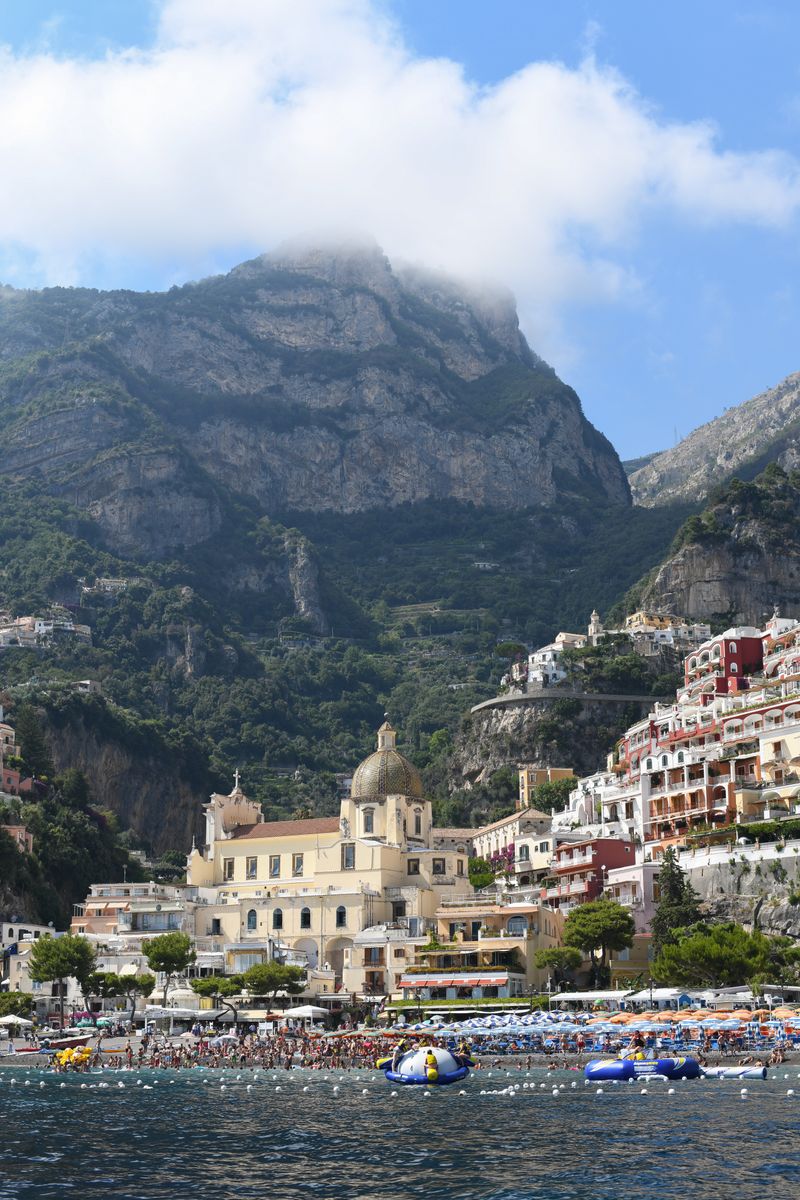
The Amalfi Coast is one of the most dramatic stretches of shoreline in the Mediterranean — a 50-kilometre ribbon of vertical cliffs, pastel villages stacked on the rock, and lemon groves that scent the air offshore. Seen from a yacht it makes complete sense in a way it never does from the traffic-jammed coast road above. This is a first-timer's guide to how the cruising ground actually works: where to base, how mooring differs from the Greek islands, and what a realistic week looks like.
Why sail here rather than drive
The famous SS163 corniche road is spectacular and gridlocked in summer. Towns like Positano and Amalfi are near-impossible to park in, and the beaches are tiny and packed. From the water you skip all of it — you anchor off Positano, dinghy in for dinner, and sleep in a quiet bay while day-trippers queue for buses. You also unlock places the coast road can't reach: the sea caves of Capri, the uninhabited Li Galli islets, and swim stops under cliffs with no road access at all.
One thing to be honest about: this is not a wind-reliable sailing area. Summer breezes are light and often afternoon-only, so expect to motor or motor-sail more than you would in the Aegean. Come for the scenery and the swimming, not the trade winds.
Where to base your charter
Most charters in this region start from one of three areas:
- Salerno — the practical eastern gateway, with good marina berths and an easy run west to Amalfi and Positano. Reachable from Naples airport in around 90 minutes.
- Naples / Castellammare di Stabia — handy for combining the coast with the islands of Capri, Ischia and Procida.
- Procida or Nisida — smaller bases closer to the Bay of Naples islands if you want to start among them.
Naples International (NAP) is the arrival airport for all of them. If you'd rather sail a calmer, more wind-driven ground, compare the Cyclades and Ionian trade-offs before you commit.
The mooring reality: buoys, not free anchoring
This is the single biggest surprise for first-timers used to Greece or Croatia. Much of the Amalfi and Capri shoreline sits inside marine protected areas, and free anchoring is restricted or banned to protect seagrass. In practice you'll:
- Pick up paid mooring buoys off Positano, around Capri and the Li Galli — often run by local co-operatives who come out by tender to collect a fee (roughly €40–120 depending on boat size and spot).
- Book marina berths in high season well ahead; walk-up space in Amalfi or Capri in August is scarce.
- Anchor freely only in the unrestricted bays, which your charter briefing will point out.
Budget for this. A week here carries more mooring and berthing cost than a wilder cruising ground.
A sample week from Salerno
A relaxed loop that mixes the coast with the islands. Distances are short — most days are one to three hours under way.
- Day 1 — Salerno → Amalfi (12 NM): Shake the boat down and moor off the cathedral town. Evening passeggiata and a first limoncello.
- Day 2 — Amalfi → Positano (8 NM): The postcard anchorage. Grab a buoy, dinghy ashore, climb the stepped lanes at golden hour.
- Day 3 — Positano → Li Galli → Capri (16 NM): Swim at the mythical Sirens' islands, then cross to Capri.
- Day 4 — Capri: Tender to the Faraglioni sea stacks and the Blue Grotto at dawn before the tour boats. Marina Grande for dinner.
- Day 5 — Capri → Ischia (18 NM): Bigger, greener island with thermal springs and quiet northern bays.
- Day 6 — Ischia → Procida (5 NM): The prettiest and least spoilt of the Bay of Naples islands — the pastel harbour of Corricella is unforgettable.
- Day 7 — Procida → Salerno (30 NM): A longer delivery day back to base; leave early.
Prefer the stability and deck space of two hulls for a swimming-led trip like this? Browse catamaran charters.
When to go
- May, June & September are the sweet spot: warm water, calmer villages, better berth availability and lower prices.
- July & August are hot, glorious and extremely busy — book the boat and marinas months ahead.
- October winds down gently; some island services thin out but the light is beautiful.
Sea temperatures climb from around 19°C in May to a swimmable 25–26°C by August and September. For a fuller regional picture see our guide to the Italian Riviera further north, or the wilder Sardinia and Maddalena archipelago.
Rough cost picture for a week
- Bareboat monohull (4–6 berths): from roughly €2,500 shoulder season, €4,000+ in August.
- Mooring buoys & marina berths: €300–700 for the week — genuinely higher than most Med grounds.
- Fuel: budget generously; you'll motor a lot (€200–400).
- Provisioning & eating out: Amalfi restaurants are not cheap — reckon €40–70 a head for a good dinner ashore.
If you want the numbers without the admin, a skippered or crewed charter takes the local mooring know-how off your hands.
Frequently asked questions
Do I need a licence to charter here? For a bareboat monohull in Italy you'll typically need a recognised sailing qualification (or an ICC) and a VHF certificate. If in doubt, see our guide to charter licensing or take a skipper.
Is the Amalfi Coast good for beginners? The navigation is easy and distances short, but crowded summer moorings and busy marinas make it more demanding than a quiet Greek gulf. Confident first-timers manage well, especially with a skipper for the first day.
Can I visit Capri by yacht? Yes, and it's the best way to see it. Anchor or take a buoy off the island and tender to the Faraglioni and grottoes early, before the day boats arrive from Sorrento.
Is there enough wind to actually sail? Some — mostly light afternoon thermals. This is a motor-sailing, scenery-and-swimming region rather than a wind-chasing one.
Ready to trade the coast road for the water? Explore live Italy yacht charters with real per-week pricing, or browse the whole fleet and start planning your crew's week on the Amalfi Coast.
Keep reading
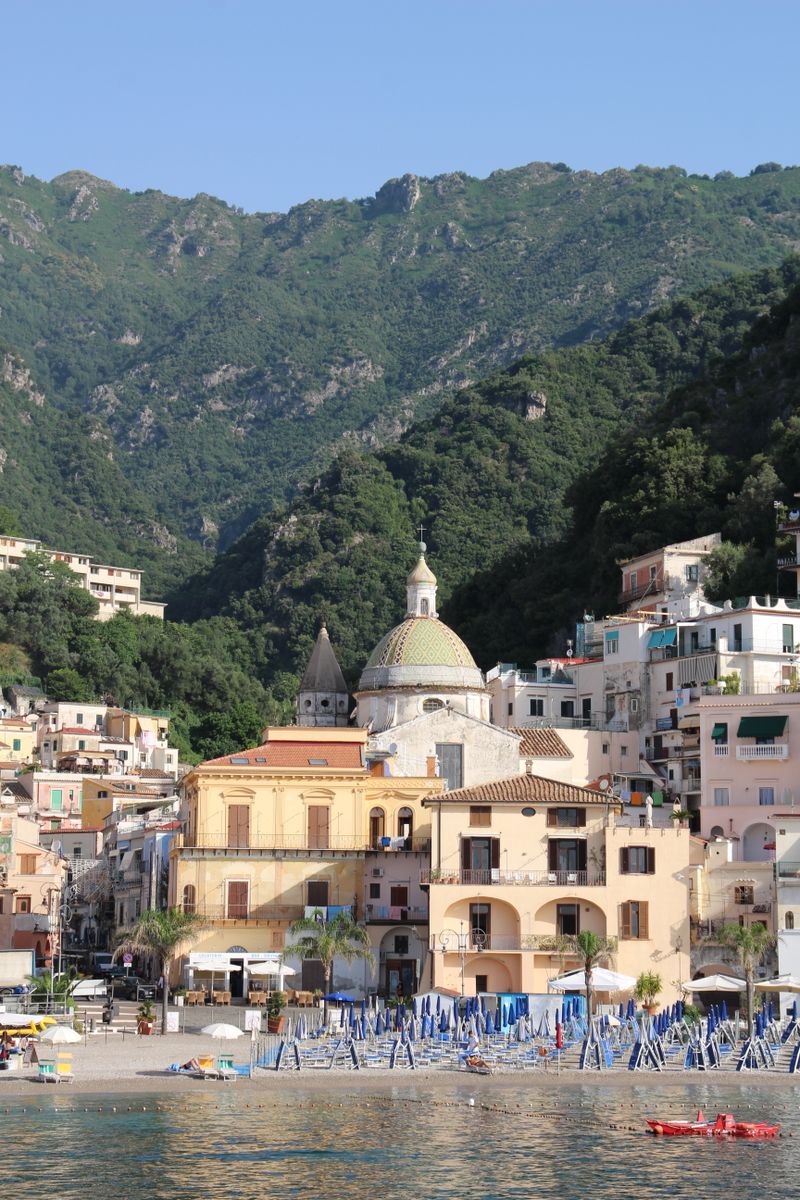
Sailing the Tuscan Archipelago: Elba and Beyond
Sailing the Tuscan Archipelago means Elba, Giglio and Capraia — clear water, pine-clad coves and gentle crowds off Tuscany. A charter guide with bases and season.
July 26, 2026 · 4 min read
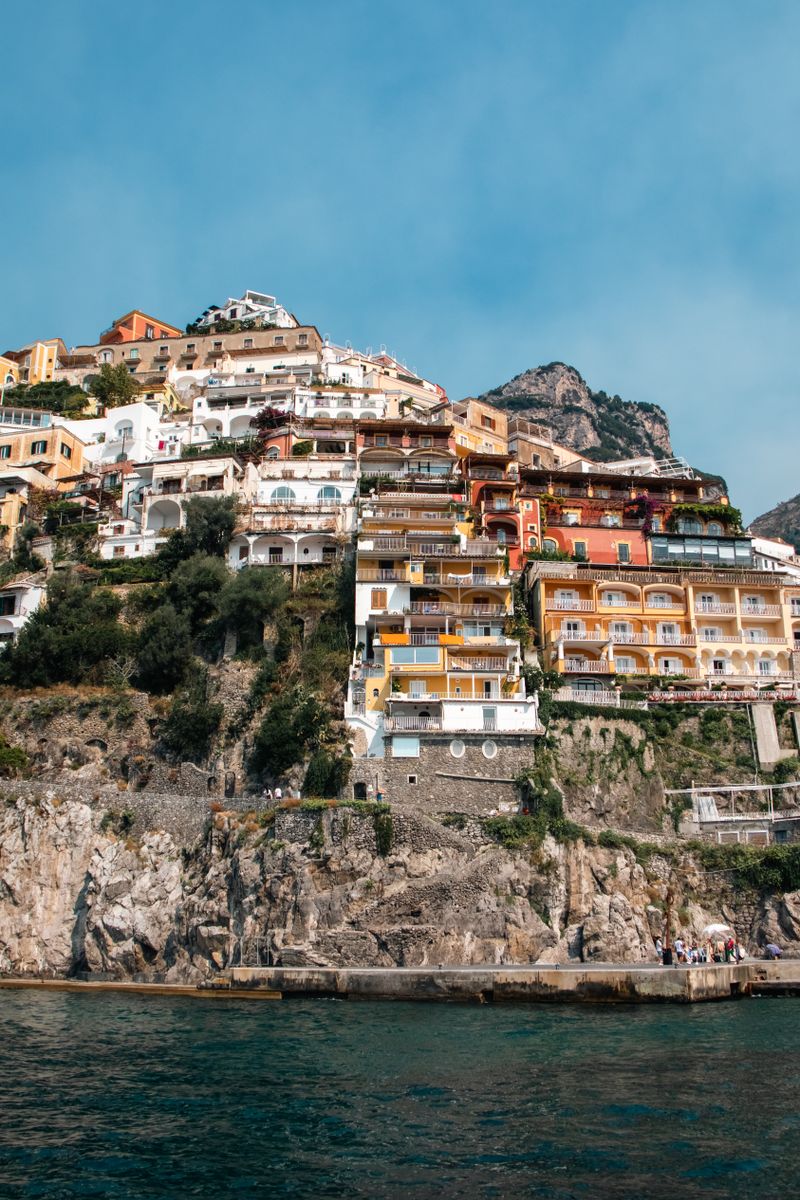
Sailing the Gulf of Naples: Capri, Ischia and the Amalfi Coast
Sailing the Gulf of Naples means Capri, Ischia, Procida and the Amalfi Coast — glamour, cliffside villages and busy summer anchorages. A charter guide.
July 26, 2026 · 4 min read
Sailing Sicily and the Aeolian Islands
Sailing the Aeolian Islands off Sicily means live volcanoes, black-sand coves and Panarea glamour — a charter guide to Stromboli, Lipari, Vulcano and beyond.
July 26, 2026 · 4 min read