Do You Need a Licence to Charter a Yacht?
By Where we sailing? · June 29, 2026 · 5 min read
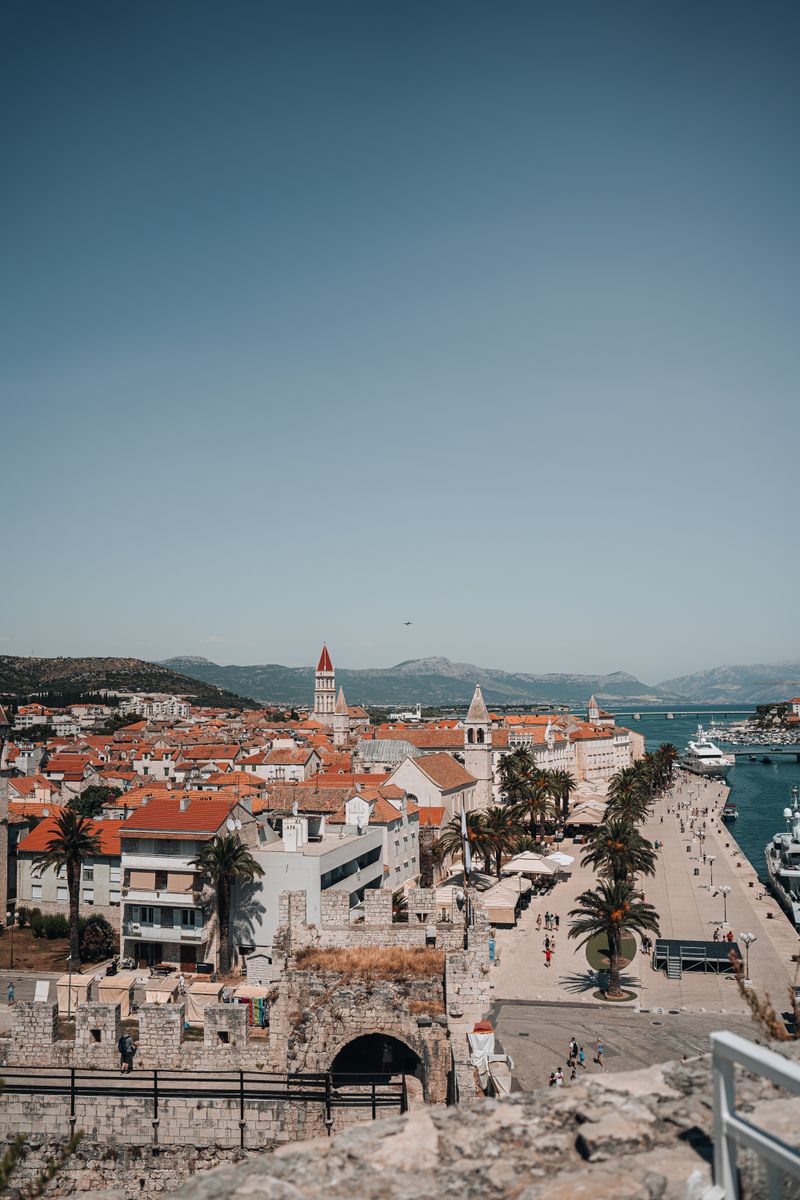
It's the first question most people ask, and the answer is refreshingly simple: it depends entirely on how you want to charter. If you want to skipper the boat yourself, you'll usually need a recognised qualification. If you'd rather relax and let a professional drive, you need nothing at all. Here's exactly how it works, country by country, so you can book with confidence.
The short answer
- Skippered or crewed charter: no licence, no experience — anyone can book. A qualified professional handles the boat.
- Bareboat charter (you skipper it yourself): yes, you'll almost always need to prove sailing competence, and often a second qualified crew member too.
So the licence question really becomes: do you want to sail the boat yourself? If you're not sure which suits your group, read bareboat vs skippered vs crewed first.
What counts as a "licence"
There's no single global sailing licence. Charter bases accept a handful of recognised certificates, and the standards vary by country. The ones that open the most doors:
- RYA Day Skipper (practical) — the UK benchmark, widely accepted across the Mediterranean and Caribbean. The Coastal Skipper and Yachtmaster are stronger still.
- ICC (International Certificate of Competence) — a certificate issued to prove competence to foreign authorities. Croatia in particular loves it, and RYA holders can obtain one. It's the closest thing to a universal charter licence.
- ASA / US Sailing certifications — the American equivalents, generally accepted, though some European bases prefer to see an ICC alongside.
- National licences from other countries are often accepted at the base's discretion.
Bases don't just want the certificate. They want to see it matches the boat — a Day Skipper ticket won't get you a 55ft catamaran if your logged experience is all on 30-footers. Be honest about your history; they can decline at handover.
The VHF radio licence
Separate from your sailing qualification, many countries require the skipper to hold a Short Range Certificate (SRC) for operating the boat's VHF radio. Croatia and Greece both expect it for bareboat. It's a one-day course and exam, and easy to overlook until the base asks for it at check-in.
Country-by-country rules
Rules change, so always confirm with your charter base, but the broad picture holds:
Greece
One of the stricter regimes. For bareboat you generally need two qualified people aboard: a skipper with a recognised sailing certificate and a second competent crew member who can co-sign a declaration of sailing experience. An SRC radio licence is expected too. If that's a hurdle for your group, a skippered charter sidesteps all of it — and the Ionian is a glorious place to be shown the ropes.
Croatia
Croatia is precise about paperwork. You'll typically need an ICC or equivalent skipper's licence plus a VHF/SRC radio certificate — both, not one. The authorities do check. Croatia's sheltered Dalmatian channels are otherwise very forgiving to sail, which makes it popular for newly qualified skippers who have their documents in order.
Italy, France and Spain
Generally accept RYA and ICC certificates for bareboat, with requirements broadly in line with Greece and Croatia. Italy, France and Spain each have their own nuances, so check per base.
British Virgin Islands
More relaxed. Bareboat charter often hinges on a sailing résumé — a written record of your experience — rather than a formal certificate, sometimes backed by a short check-out sail with base staff. It's a famously beginner-friendly cruising ground, which is partly why. See our BVI sailing guide.
No licence? Here's your checklist to charter anyway
You can absolutely have a full yacht charter with zero qualifications. Here's how:
- Book skippered. Add a professional skipper to any yacht — reckon on £180–£250 a day, split across the group.
- Factor the cost in from the start. Divide the skipper fee per person alongside the charter; see how much a charter costs.
- Give the skipper a cabin or agree they'll sleep in the saloon — clarify this when you book.
- Enjoy the local knowledge. A good skipper finds the quiet anchorages and the best tavernas, which many crews say pays for itself.
- Learn as you go. Ask to take the helm in open water. Many people book their first skippered week, catch the bug, and go and get qualified for the next one.
If you're organising the trip for a group, our group planning guide covers splitting that skipper cost fairly.
Frequently asked questions
Can a complete beginner charter a yacht? Yes — book a skippered or crewed charter and no qualification or experience is required. You bring the crew and the holiday spirit; the professional brings the seamanship.
What's the most useful certificate to hold? For international chartering, the RYA Day Skipper paired with an ICC and an SRC radio licence covers almost every Mediterranean and Caribbean base you'll meet.
Do both certificates — sailing and radio — really matter? In Greece and Croatia, yes. Bases there frequently ask for a VHF/SRC radio certificate alongside your skipper qualification for bareboat charters, and they do check at handover.
Is the BVI really easier for the unqualified? It's more relaxed than the Med — bareboat often rests on a sailing résumé and a check-out sail rather than a formal licence. But if in doubt, a skippered week there is superb.
Whether you're a Yachtmaster or have never touched a tiller, there's a boat for you. Browse available yachts or explore the paperwork-friendly, sheltered cruising of Croatia — book bareboat with your ICC, or add a skipper and simply enjoy the ride.
Keep reading

Sailing the Southern Dalmatian Islands: Hvar, Vis and Korčula
A charter guide to Croatia's southern Dalmatian islands — Hvar, Vis, Korčula and Mljet, the Pakleni islands and the Blue Cave, from a Split or Dubrovnik base.
July 26, 2026 · 4 min read

Sailing Istria and the Kvarner Gulf, Croatia
A charter guide to northern Croatia — sailing Istria and the Kvarner Gulf from Pula, taking in Rovinj, Cres, Lošinj and quieter waters than Dalmatia.
July 26, 2026 · 4 min read
Sailing Croatia: The Complete Charter Guide
Everything you need to plan a Croatia yacht charter — the best bases, a week-long Dalmatian itinerary, costs, konoba mooring tips and when to go.
July 22, 2026 · 6 min read