Sailing the British Virgin Islands: The Complete Guide
By Where we sailing? · July 12, 2026 · 5 min read
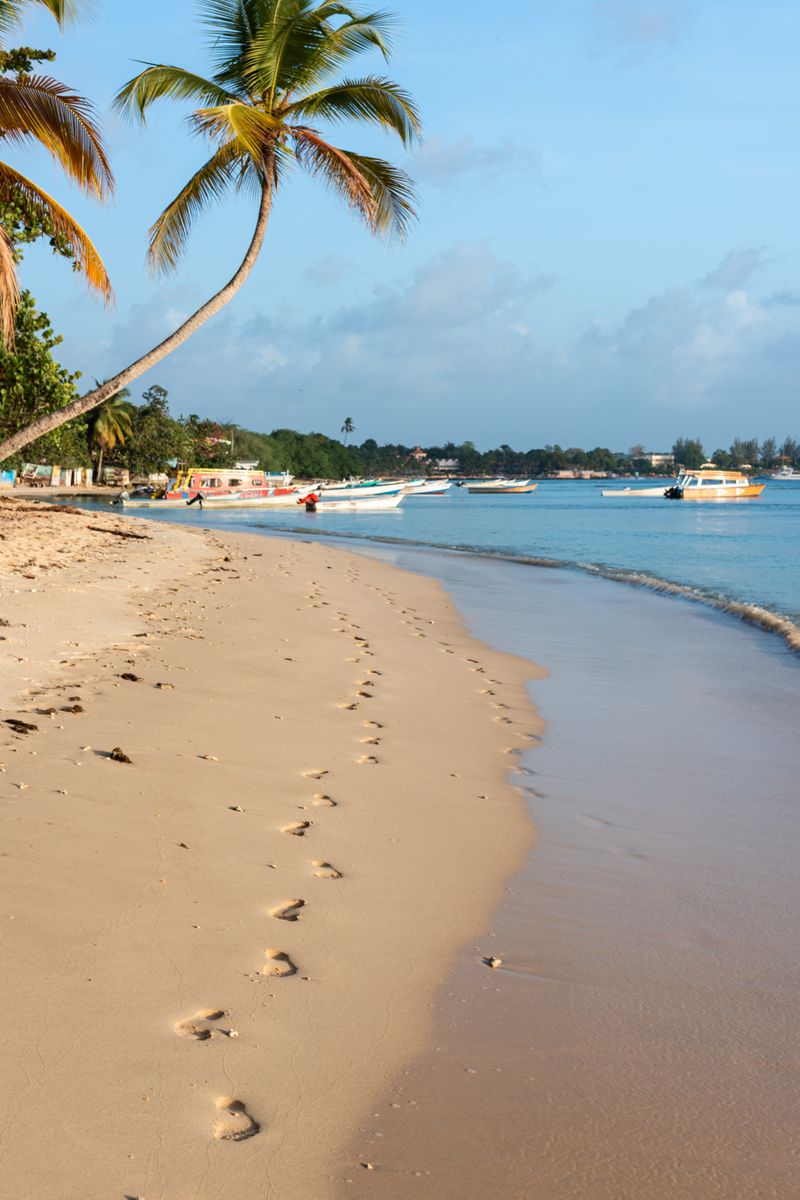
The British Virgin Islands are the world's most popular sailing destination for one simple reason: they make it easy. Roughly 60 islands and cays cluster inside the sheltered Sir Francis Drake Channel, most of them within sight of the next, so you sail from anchorage to anchorage in an hour or two of steady trade-wind reaching. Add year-round warmth, calm turquoise water and a beach bar at almost every stop, and you have a place that suits first-timers and salty veterans alike.
Why the BVI are so easy to sail
Nearly everything you'll want to do happens in line-of-sight navigation. From the main charter base at Road Town, Tortola, you can see Norman Island, Peter Island and Salt Island across the channel. The islands act as a natural breakwater, so the water inside the channel stays flat even when the trades are blowing 20 knots.
Three things make the sailing forgiving:
- Short hops. Most passages are 5–15 nautical miles. You're rarely underway more than two hours.
- Steady wind. The easterly trades blow 10–20 knots almost every day, so you can plan a reach out and a reach back.
- Deep, clean water. Few hidden hazards, good charts, and mooring balls at almost every popular bay so you seldom have to anchor.
This is why the BVI top nearly every list of the best sailing destinations for beginners — the learning curve is gentle and the rewards are immediate.
The islands you'll actually visit
You won't see all 60 cays in a week, and you shouldn't try. The classic circuit hits a handful of headline stops:
- Norman Island — home of The Bight, a huge protected bay, plus the snorkelling caves at Treasure Point and the floating bar Willy T.
- The Baths, Virgin Gorda — surreal granite boulders forming grottoes and tidal pools; the BVI's most photographed spot. Take a day mooring and swim ashore early before the day boats arrive.
- Anegada — the only coral atoll, low and flat, ringed by reef and famous for lobster dinners on the beach. It's the one passage that needs care (see below).
- Jost Van Dyke — White Bay and the original Soggy Dollar Bar, birthplace of the Painkiller cocktail.
- Cooper, Salt and Peter Islands — quieter moorings, good snorkelling and reliable overnight shelter.
Trade winds, seasons and weather
The BVI sit at about 18°N, firmly in the trade-wind belt. Air temperatures hover around 26–30°C year-round and the sea rarely drops below 26°C, so swimming is a pleasure in any month.
- December–April (high season): the driest, breeziest months. Trades of 15–25 knots, low humidity, near-perfect sailing. This is peak — book early and expect the highest rates.
- May–June & November (shoulder): warm, lighter winds, fewer boats, better value. An excellent compromise.
- August–October: hurricane season. Rates drop and many charters offer generous change policies, but you must watch the forecast.
For a full breakdown of the weather calendar, see the best time to sail the BVI.
One-week overview
If you want a day-by-day plan, we've built a dedicated one-week BVI sailing itinerary. In short, a classic loop from Tortola runs anti-clockwise:
- Day 1 — Road Town to Norman Island (The Bight).
- Day 2 — Snorkel the caves, sail to Cooper Island.
- Day 3 — Cross to Virgin Gorda; The Baths and Spanish Town.
- Day 4 — North Sound and the Bitter End.
- Day 5 — Downwind passage to Anegada for lobster.
- Day 6 — Long reach back to Jost Van Dyke and the Soggy Dollar.
- Day 7 — Sandy Spit and Cane Garden Bay, then back to base.
Monohull or catamaran?
The BVI is catamaran country. The flat water, shallow beach anchorages and space for families or groups make catamarans the runaway favourite here — they're stable, roomy and let you tuck into gin-clear shallows. That said, a monohull sails more crisply upwind and costs noticeably less, which suits couples or budget-minded crews. Our catamaran vs monohull comparison walks through the trade-offs.
Bareboat, skippered or crewed?
- Bareboat: you're the skipper. The BVI's easy navigation makes it a superb place to bareboat if you're qualified and confident.
- Skippered: a local captain aboard who knows every mooring and reef — ideal if you want to relax or you're building experience.
- Crewed: captain plus chef, fully catered. The luxury option.
See bareboat vs skippered vs crewed to decide what fits your crew.
Practical checklist before you go
- Mooring balls: most popular bays use pay-to-use moorings (roughly US$35–45/night). Pick one up early afternoon in high season — they fill fast.
- Anegada: the passage crosses reef; many bareboat contracts require you to notify the base or sail in company. Go in good light and follow the marked channel.
- Cash for beach bars: many are cash-only, US dollars (the BVI uses the US dollar).
- Customs: if you dip into the US Virgin Islands you must clear customs both ways — plan for it.
- Provisioning: stock up in Road Town before you leave; island shops are limited and pricey. See our guide to provisioning a charter yacht.
- Reef-safe sunscreen: required by good practice and increasingly by law.
Frequently asked questions
Do I need a licence to charter in the BVI? For a bareboat you'll need to show sailing experience and complete a sailing résumé; a formal certificate isn't legally required but companies expect competence. If you're unsure, book a skipper. See do you need a licence to charter a yacht.
Is the BVI good for beginners? Yes — the short, line-of-sight hops and abundant mooring balls make it one of the gentlest places to learn. Many first-timers bareboat here successfully with a skipper for the first day or two.
How long a charter do I need? Seven nights is the sweet spot and lets you complete the classic loop without rushing. Ten to fourteen days lets you add the outer islands and slow right down.
When is hurricane season? Officially June to November, with peak risk August to October. Sailing is quieter and cheaper then, but always sail with a solid forecast and a flexible plan.
Ready to sail the world's easiest cruising ground? Browse our British Virgin Islands yachts or explore the full fleet to start planning your Caribbean week.
Keep reading
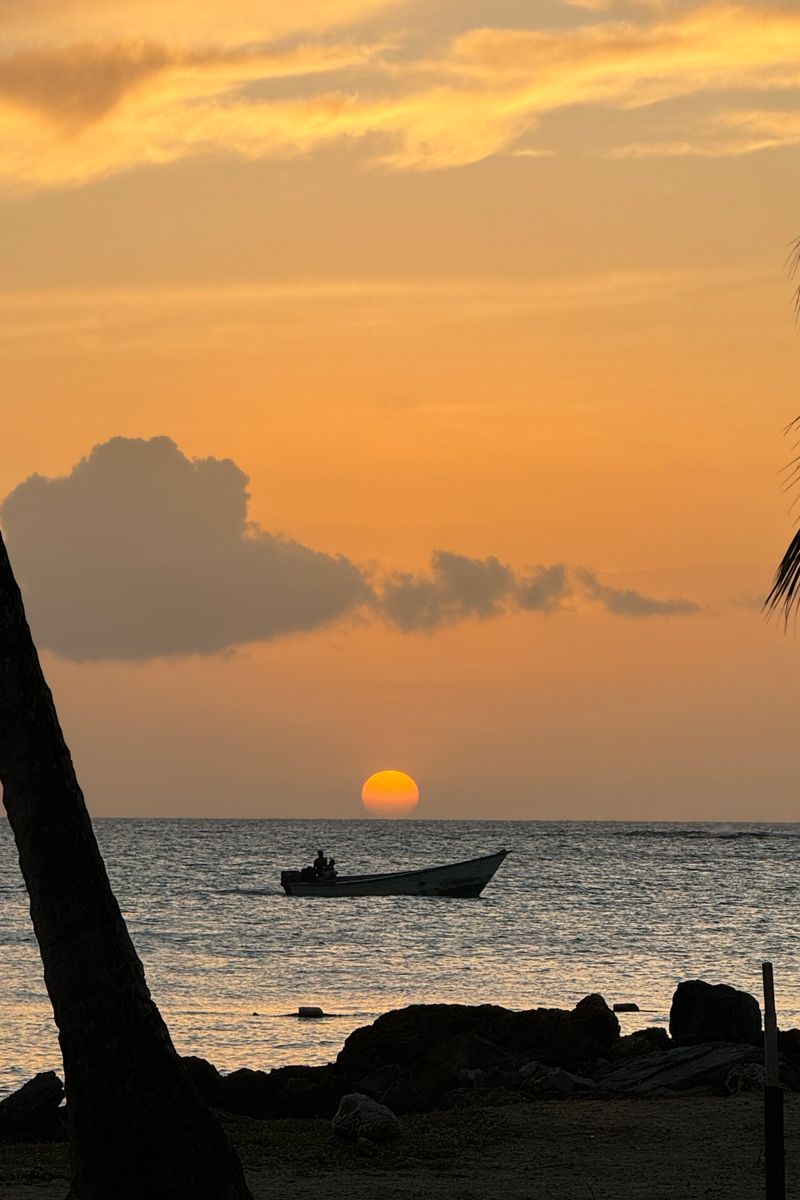
Best Time to Sail the British Virgin Islands
The best time to sail the British Virgin Islands is December to April for steady trade winds and dry skies, with shoulder months offering warmth and value.
July 11, 2026 · 5 min read
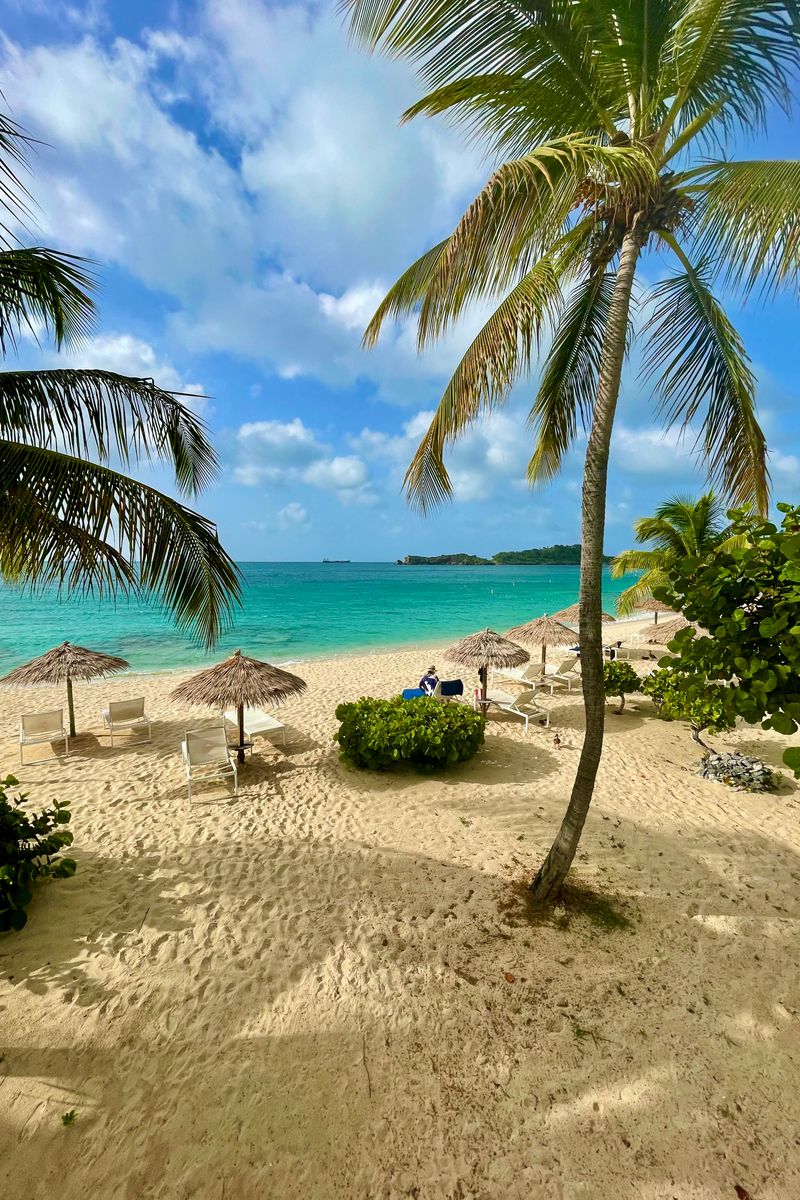
A One-Week BVI Sailing Itinerary
A day-by-day one-week BVI sailing itinerary from Tortola — Norman Island, The Baths, Anegada, Jost Van Dyke and every beach bar in between. Distances and moorings.
July 10, 2026 · 5 min read
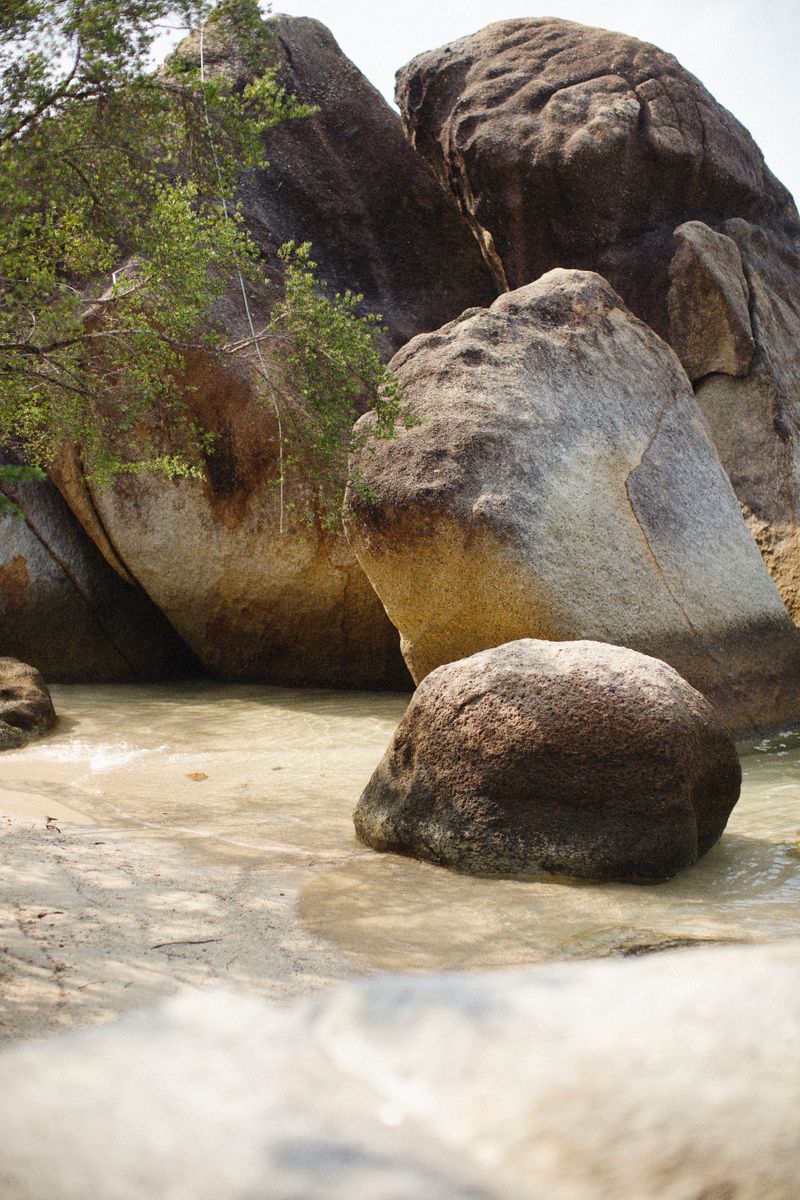
Sailing the Grenadines: Bequia, Tobago Cays and Mustique
A guide to chartering a yacht in St Vincent and the Grenadines — steady trade winds, short island hops from Bequia to the Tobago Cays, and why catamarans rule here.
July 26, 2026 · 4 min read