Best Time to Sail the British Virgin Islands
By Where we sailing? · July 11, 2026 · 5 min read
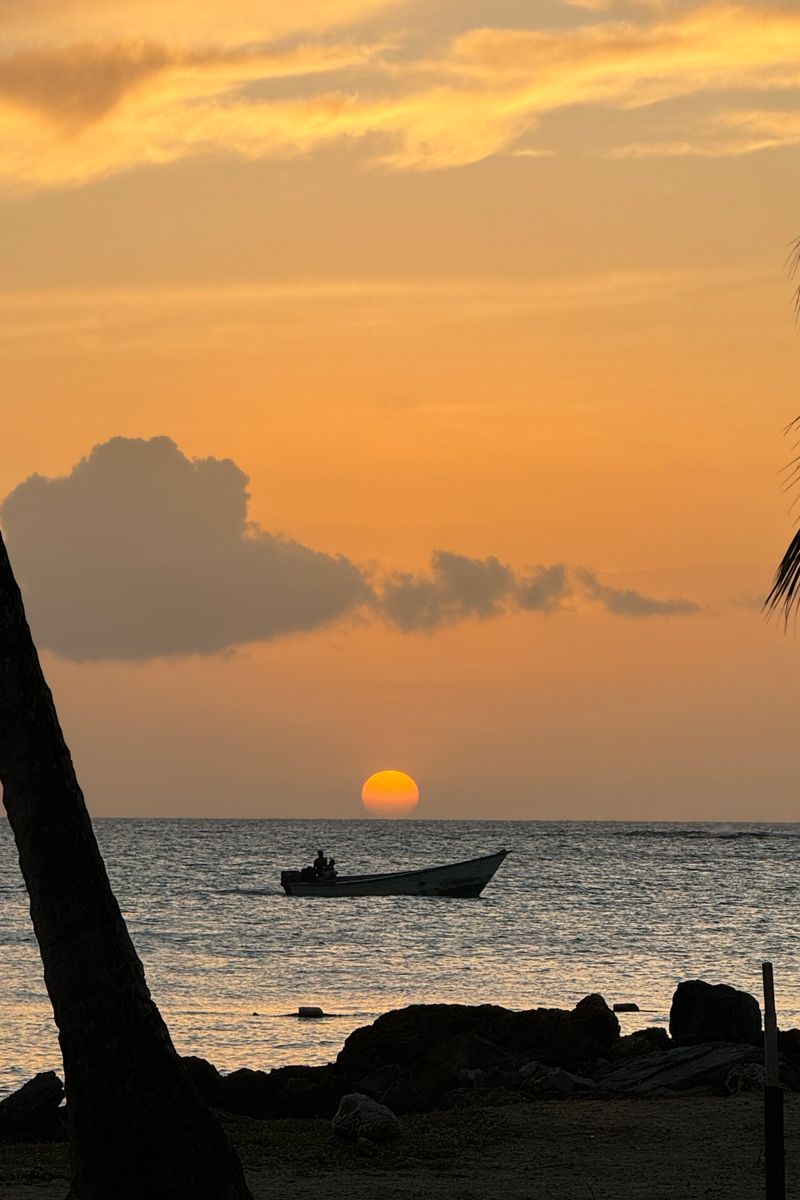
Unlike the Mediterranean, the British Virgin Islands don't really have an "off" season for swimming or sunshine — the water sits above 26°C all year and the sun shines most days. What changes through the calendar is the wind, the rain, the crowds, the price and the small matter of hurricane risk. This guide breaks the BVI year down so you can pick the week that matches the trip you want.
The short answer
For the classic BVI experience — steady trade winds, dry skies, low humidity — mid-December to April is unbeatable. It's also the busiest and priciest window. If you want warmth and empty anchorages at a lower cost, target the shoulder months of May, June and November. The deep-value gamble is late summer and autumn, when rates plummet but you're sailing through hurricane season.
The BVI sailing year, month by month
December to February — peak trades
The height of the season. The Christmas Winds kick in around late December, delivering reliable easterlies of 15–25 knots and occasionally more. Skies are dry, humidity is low, and the sailing is exhilarating. Air temperatures sit around 26–28°C. This is postcard BVI — and everyone knows it, so book months ahead and expect premium rates.
March to April — the sweet spot
Arguably the finest all-round window. The trades ease a touch to a comfortable 12–20 knots, the weather stays dry, and the intensity of the Christmas crowds tapers after the New Year rush. Long sunny days, warm water and excellent visibility for snorkelling. If you can travel now, do.
May to June — warm shoulder
The trades soften further and the odd short shower appears, but the days are gloriously warm and the anchorages noticeably emptier. Prices drop from peak. Hurricane season officially opens on 1 June, but early-summer storms are rare and easy to see coming. A brilliant value window for couples and families.
July to August — hot and quiet
High summer brings light, variable winds, higher humidity and the first real hurricane watch. It overlaps with school holidays, so families do sail then, but you'll want a flexible booking policy. The water is bathtub-warm and the beach bars are lively.
September to October — the gamble
Statistically the peak of hurricane activity. Many charter companies reduce their fleets or close bases; those that operate offer the lowest prices of the year and generous cancellation terms. Reserved for experienced, weather-savvy sailors with flexible plans and good travel insurance.
November — the reopening
The season wakes up. Hurricane risk fades through the month, the trades begin to rebuild, and prices are still soft before the December surge. An underrated window — warm, uncrowded and increasingly reliable.
At a glance
| Period | Wind | Weather | Crowds | Value |
|---|---|---|---|---|
| Dec–Feb | 15–25 kt | Dry, breezy | Busiest | Lowest |
| Mar–Apr | 12–20 kt | Dry, sunny | Busy | Fair |
| May–Jun | 10–18 kt | Warm, few showers | Quiet | Good |
| Jul–Aug | Light, variable | Hot, humid | Family peak | Good |
| Sep–Oct | Variable | Storm risk | Empty | Best price |
| Nov | Rebuilding | Improving | Quiet | Good |
How the season shapes your trip
- Chasing the best sailing: aim for December to April, when the trades are strongest and the reaches across the Sir Francis Drake Channel are pure joy.
- Chasing value and calm: May, June and November give you 80% of the experience at a fraction of the peak price.
- Sailing with kids: the summer school-holiday window works if you accept lighter winds and watch the forecast — see our family sailing guide.
A note on hurricanes
The Atlantic hurricane season runs 1 June to 30 November, peaking in September. That doesn't mean you can't sail then — most days are fine — but you must treat the forecast seriously. Modern tracking gives days of warning, charter bases have storm plans, and reputable operators offer weather-related flexibility. If the idea makes you nervous, simply sail in the December-to-April window and forget about it.
Booking timing
- High season (Dec–Apr): book 6–12 months ahead. Christmas and New Year weeks go earliest.
- Shoulder (May–Jun, Nov): 3–5 months ahead is usually comfortable.
- Low season (Jul–Oct): last-minute deals appear, but confirm the operator's hurricane policy first.
Whichever week you choose, the catamaran vs monohull decision and your budget matter just as much as the calendar — high season pushes prices up across the whole fleet.
Frequently asked questions
What is the single best month to sail the BVI? March is hard to beat — steady but comfortable trades, dry skies, warm water and the post-holiday crowds thinning out.
Can I sail the BVI in summer? Yes. July and August have light winds and warm seas, and families sail then during school holidays. Just book with a flexible policy and watch the tropical forecast.
Is it worth risking hurricane season for the low prices? Only if you're an experienced, weather-aware sailor with flexible dates and good insurance. The savings are real, but so is the disruption risk in September and October.
Is the water warm enough to swim year-round? Absolutely. Sea temperatures stay between roughly 26°C and 29°C every month, so snorkelling and swimming are wonderful all year.
Found your window? Browse our British Virgin Islands yachts or explore the wider fleet and lock in the season that suits you.
Keep reading
Sailing the British Virgin Islands: The Complete Guide
Everything you need to charter in the British Virgin Islands — the anchorages, trade winds, line-of-sight sailing and famous beach bars. A complete guide.
July 12, 2026 · 5 min read
A One-Week BVI Sailing Itinerary
A day-by-day one-week BVI sailing itinerary from Tortola — Norman Island, The Baths, Anegada, Jost Van Dyke and every beach bar in between. Distances and moorings.
July 10, 2026 · 5 min read

Sailing the Grenadines: Bequia, Tobago Cays and Mustique
A guide to chartering a yacht in St Vincent and the Grenadines — steady trade winds, short island hops from Bequia to the Tobago Cays, and why catamarans rule here.
July 26, 2026 · 4 min read