Sailing Istria and the Kvarner Gulf, Croatia
By Where we sailing? · July 26, 2026 · 4 min read
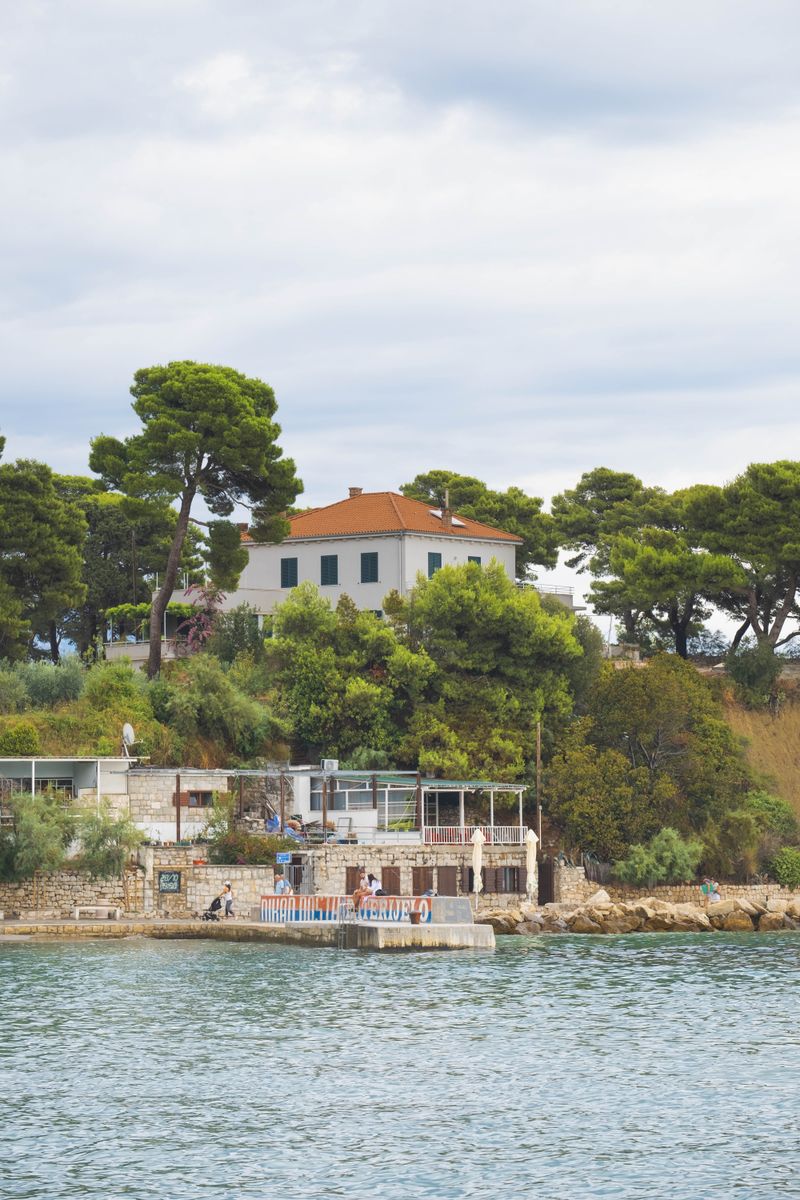
Most charter guides point you straight at Split and the Dalmatian islands, and for good reason — but Croatia's north is a quieter, greener, more Italian-flavoured alternative that too many sailors skip. Istria and the Kvarner Gulf give you Venetian harbour towns like Rovinj, the wild empty islands of Cres and Lošinj, dolphin-rich channels, and a truffle-and-Malvazija food culture with one foot in Italy. It's closer to airports for many, calmer than the open Adriatic, and blissfully free of the mid-summer crush further south. Here's how to sail it.
The short answer
Sail Istria and Kvarner from May to September, with June and September the pick for warm seas, settled weather and empty anchorages. Base at Pula, at Istria's southern tip, which sits perfectly between the Istrian west coast (Rovinj, the Brijuni islands) and the Kvarner islands (Cres, Lošinj). It's noticeably quieter than Dalmatia, with shorter, sheltered hops. Watch for the bora, the fierce north-east wind that funnels down the Kvarner Gulf, mostly in the shoulder seasons.
Where to start: Pula
Pula, on Istria's southern tip, is the natural charter base — a working city built around a remarkably complete Roman amphitheatre, with good flight connections and a fleet that puts both cruising grounds within easy reach. From here you can turn north-west up the Istrian coast, or south-east across to the Kvarner islands, depending on the wind.
The Istrian coast
Rovinj
The jewel of Istria — a Venetian old town crowded onto a little peninsula, topped by the bell tower of St Euphemia, ringed by fishing boats and cafés. One of the most photogenic harbours in the Adriatic and an essential overnight.
The Brijuni Islands
A national park archipelago just off the coast near Pula: green, protected, historically the summer playground of Tito. Anchoring is regulated, so use the mooring field and the visitor rules — worth it for the peace and the wildlife.
Poreč and the west coast
North of Rovinj the coast rolls on past Poreč (with its UNESCO Byzantine basilica) and the Lim fjord, a narrow green inlet famous for its oysters and mussels.
The Kvarner islands
Cres
Long, wild and thinly populated, Cres is one of the largest and emptiest islands in the Adriatic — home to griffon vultures, hidden coves and the pretty harbour of Cres town. Quiet anchoring at its best.
Lošinj
Cres's greener southern neighbour, joined by a bridge. Mali Lošinj has a grand horseshoe harbour and a genuinely resident population of bottlenose dolphins in the surrounding channels — the Lošinj waters are a protected dolphin reserve.
Susak and the outer islets
For the adventurous, the sandy island of Susak and the tiny outposts of Ilovik and Unije give you the empty, end-of-the-world feel that Dalmatia lost to the crowds years ago.
The bora: the wind to watch
The bora (bura) is a cold, dry, gusty north-east wind that pours down off the mountains behind the Kvarner Gulf, and this is one of its strongest playgrounds in the whole Adriatic. It arrives suddenly, can reach gale force, and kicks up a steep sea. It's most common in the shoulder seasons and rare in high summer. The rule is simple: check the forecast, know your bolt-holes, and don't cross the open Kvarner channel with a bora in the outlook.
How many days do you need?
A standard week (Saturday to Saturday) comfortably links the Istrian coast (Rovinj, Brijuni) with the Kvarner islands (Cres, Lošinj) at a relaxed 2–3 hours of sailing a day. Ten days lets you push further south towards the Zadar archipelago and the Kornati islands — the bridge between northern and central Croatia.
When to go
- June & September — the sweet spots: water in the low-to-mid 20s°C, settled weather, empty coves, lower prices, and little bora risk.
- July & August — warmest sea (25–26°C) and liveliest towns, but this is still Croatia's quietest region even at peak.
- May & October — cheaper and calm, cooler water, but higher bora risk in the shoulder months.
Browse the fleet on the Croatia charters map, or filter for a catamaran if you want space and stability for a family week.
Frequently asked questions
Is northern Croatia quieter than Dalmatia? Much quieter. Istria and Kvarner see a fraction of the charter traffic of Split and Hvar, especially outside July and August — you'll find empty anchorages even in summer.
Where should I base a northern Croatia charter? Pula — it sits between the Istrian coast and the Kvarner islands, with good flights and short, sheltered hops in both directions.
Will I see dolphins? Very likely around Lošinj, which has a protected resident population of bottlenose dolphins in its surrounding channels.
Ready to pick your week? Explore live Croatia charters with real per-person pricing, or start a group trip and split the cost with your crew.
Keep reading
Sailing the Southern Dalmatian Islands: Hvar, Vis and Korčula
A charter guide to Croatia's southern Dalmatian islands — Hvar, Vis, Korčula and Mljet, the Pakleni islands and the Blue Cave, from a Split or Dubrovnik base.
July 26, 2026 · 4 min read
Sailing Croatia: The Complete Charter Guide
Everything you need to plan a Croatia yacht charter — the best bases, a week-long Dalmatian itinerary, costs, konoba mooring tips and when to go.
July 22, 2026 · 6 min read
Best Time to Sail Croatia: A Month-by-Month Guide
The best time to sail Croatia is late May to June and September — warm seas, the reliable maestral wind and thinner crowds. A month-by-month charter guide.
July 21, 2026 · 5 min read