Sailing the Southern Dalmatian Islands: Hvar, Vis and Korčula
By Where we sailing? · July 26, 2026 · 4 min read
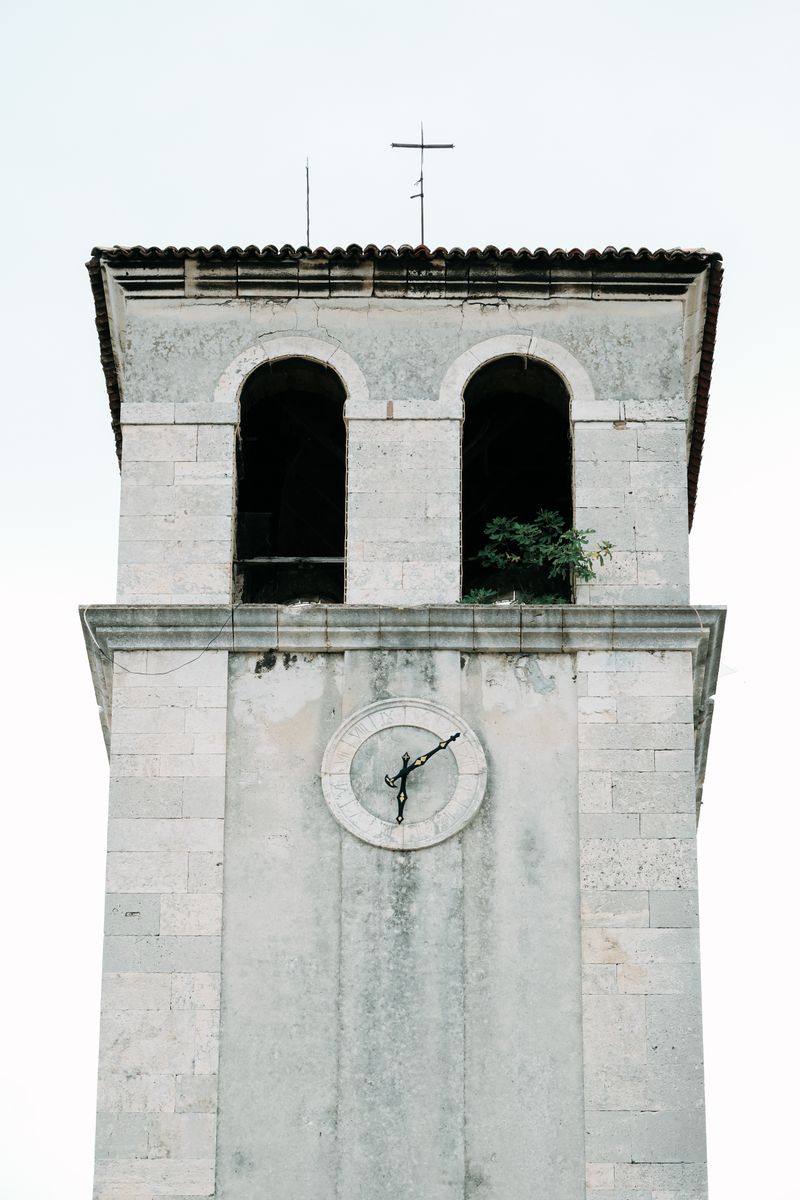
If Croatia has a greatest hits, this is it. The southern Dalmatian islands — Hvar, Vis, Korčula and Mljet — string across the central Adriatic in a run of lavender fields, pine-clad coves, walled medieval towns and the clearest water in the Mediterranean. You get glamorous Hvar and its Pakleni island anchorages, remote Vis with its famous Blue Cave, Marco Polo's Korčula, and the forested national park of Mljet, all within an easy week's sail of Split or Dubrovnik. Here's how to string them together.
The short answer
Sail the southern Dalmatian islands from May to September, with June and September the pick for warm seas, settled weather and quieter anchorages. Base at Split for the shortest hop to Hvar and Vis, or at Dubrovnik if you want to start (or finish) in the walled city and work up via Mljet and Korčula. The core loop — Split, Hvar, Vis, Korčula, Mljet — is one of the great charter weeks anywhere. Watch the maestral sea breeze and, in the shoulder seasons, the bora.
Where to start: Split or Dubrovnik
- Split — the biggest charter hub in Croatia, right on the doorstep of Hvar and Brač. Fastest access to the whole island group; the usual choice.
- Dubrovnik — start with the walled city, then sail north-west via Mljet and Korčula. A one-way charter between the two bases (where offered) lets you sail the whole run without backtracking.
The islands, and what to see
Hvar
The famous one — a chic harbour town below a hilltop fortress, lavender fields inland, and the glorious Pakleni islands just offshore, a cluster of low pine-covered islets with the region's best swimming anchorages (Palmižana, Ždrilca). Anchor off the Pakleni for peace, then dinghy in for Hvar's nightlife.
Vis
The furthest offshore of the major islands, and all the better for it — closed to visitors under Yugoslavia, so less developed and gloriously unspoilt. Two lovely harbour towns (Vis and Komiža), superb food and the wine of the same name. From nearby Biševo, take a tender into the Blue Cave — a sea grotto that glows electric blue when the morning light refracts through the water. Go early to beat the tripper boats.
Korčula
Marco Polo's reputed birthplace: a compact walled town on a peninsula, sometimes called "little Dubrovnik", surrounded by vineyards producing the crisp white Grk and Pošip wines. A beautiful overnight and a natural stepping-stone between Hvar/Vis and Mljet.
Mljet
The greenest island in the Adriatic, its western third a national park of two connected saltwater lakes with a monastery on an islet in the middle. Pick up a park mooring in Polače or Pomena, hire a bike or kayak, and swim in the lakes. The most tranquil stop on the route.
The winds
- The maestral — a pleasant afternoon sea breeze from the north-west, building around midday and dying at dusk. It's the wind you'll do most of your sailing on: reliable, gentle, ideal.
- The bora (bura) — a cold, gusty north-easterly off the mainland mountains, strong but usually short-lived and mostly a shoulder-season concern. Check the forecast and know your sheltered harbours.
- The jugo (sirocco) — a warm, humid south-easterly that builds a swell and brings cloud; rarer in summer but worth watching for.
A sample week from Split
- Split → Hvar (via the Pakleni islands to anchor and swim).
- Hvar → Vis (harbour town, superb dinner ashore).
- Vis → Biševo Blue Cave → Komiža (early start for the cave).
- Vis → Korčula (the walled town for the night).
- Korčula → Mljet (national park lakes and moorings).
- Mljet → Šćedro or back towards Brač.
- Return to Split, timing the crossing for the morning calm.
Relaxed, roughly 3 hours of sailing a day, with plenty of swimming and long lunches.
When to go
- June & September — the sweet spots: water in the mid-20s°C, settled weather, thinner crowds, lower prices.
- July & August — warmest sea (25–26°C) and liveliest, but Hvar in particular is busy; book anchorages and berths early.
- May & October — cheaper and quiet, cooler water, higher bora risk in the shoulder months.
Browse the fleet on the Croatia charters map, or filter for a catamaran if you want stability and deck space for a group.
Frequently asked questions
What is the best island route in southern Dalmatia? Split → Hvar → Vis → Korčula → Mljet and back is the classic week — the four greatest islands in one relaxed loop.
Is the Blue Cave worth it? Yes — go by mid-morning from Biševo, near Vis, when the light is best and before the tripper boats arrive. You enter by small tender, not your yacht.
Should I base at Split or Dubrovnik? Split for the shortest access to Hvar and Vis. Dubrovnik if you want the walled city and prefer to sail the route one way via Mljet and Korčula.
Ready to pick your week? Explore live Croatia charters with real per-person pricing, or start a group trip and split the cost with your crew.
Keep reading
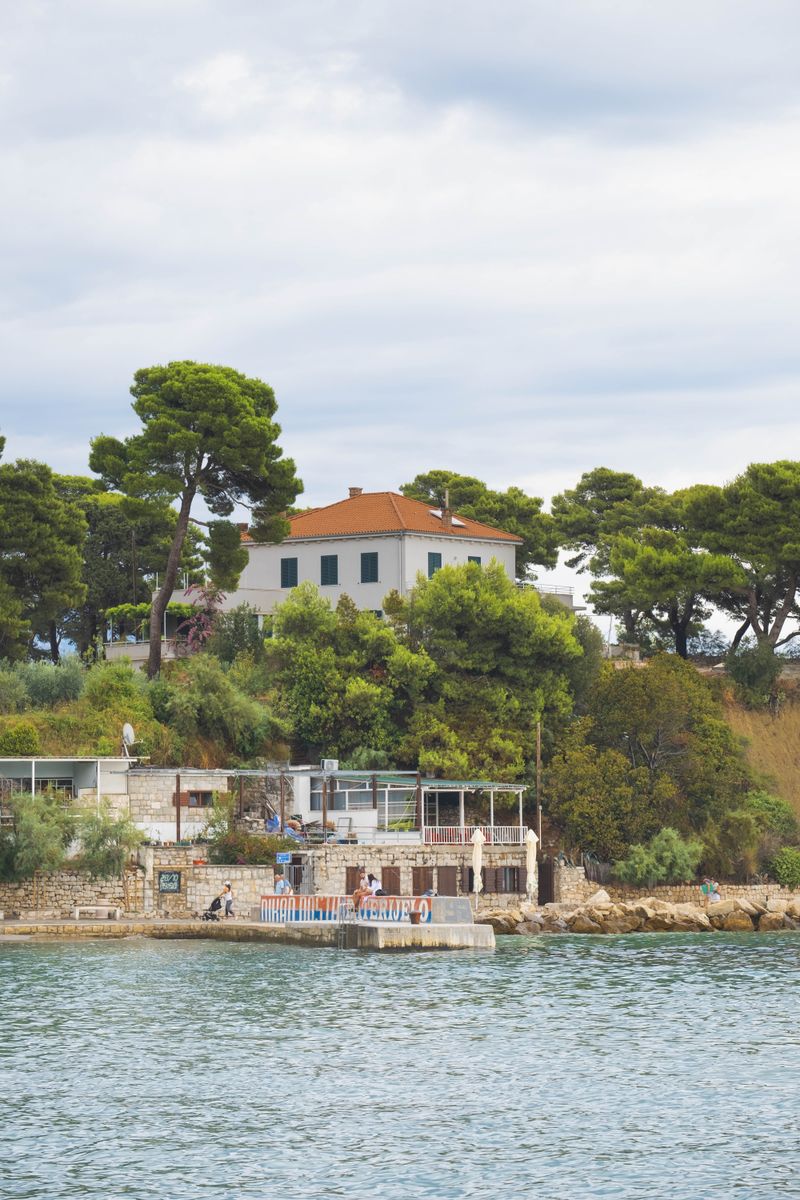
Sailing Istria and the Kvarner Gulf, Croatia
A charter guide to northern Croatia — sailing Istria and the Kvarner Gulf from Pula, taking in Rovinj, Cres, Lošinj and quieter waters than Dalmatia.
July 26, 2026 · 4 min read
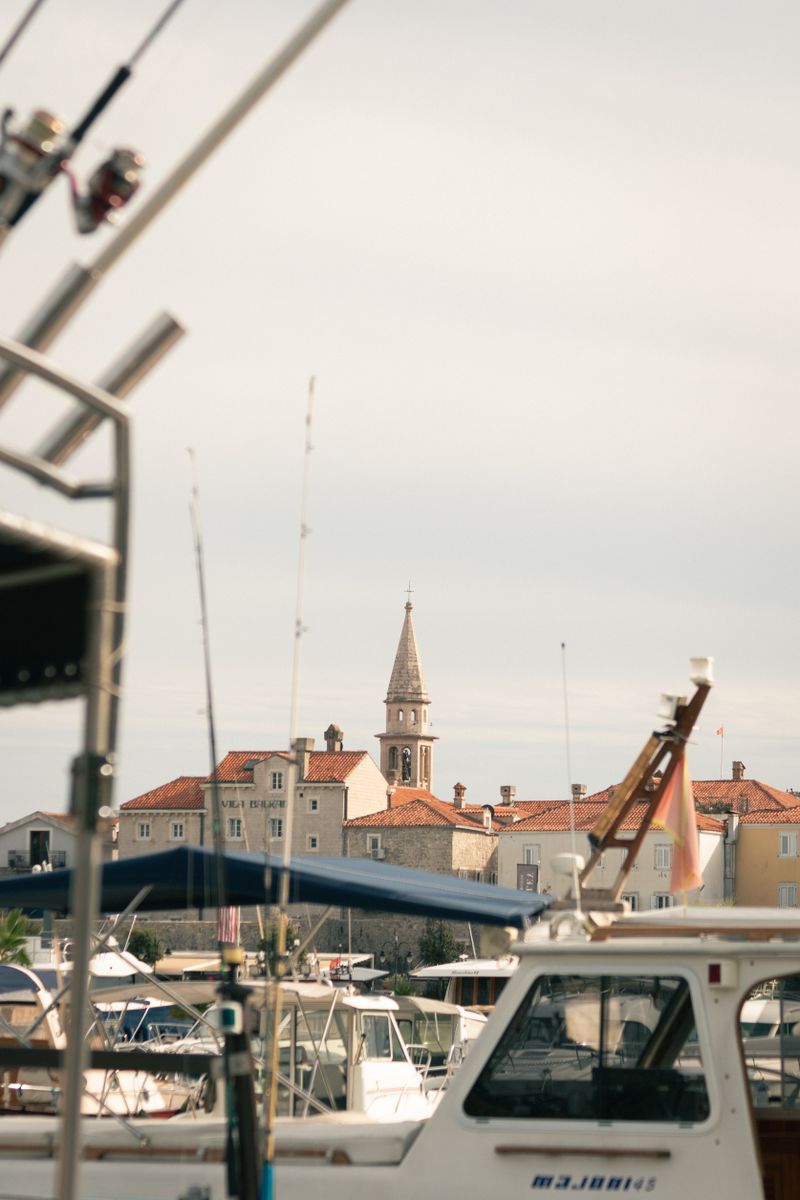
Sailing Croatia: The Complete Charter Guide
Everything you need to plan a Croatia yacht charter — the best bases, a week-long Dalmatian itinerary, costs, konoba mooring tips and when to go.
July 22, 2026 · 6 min read
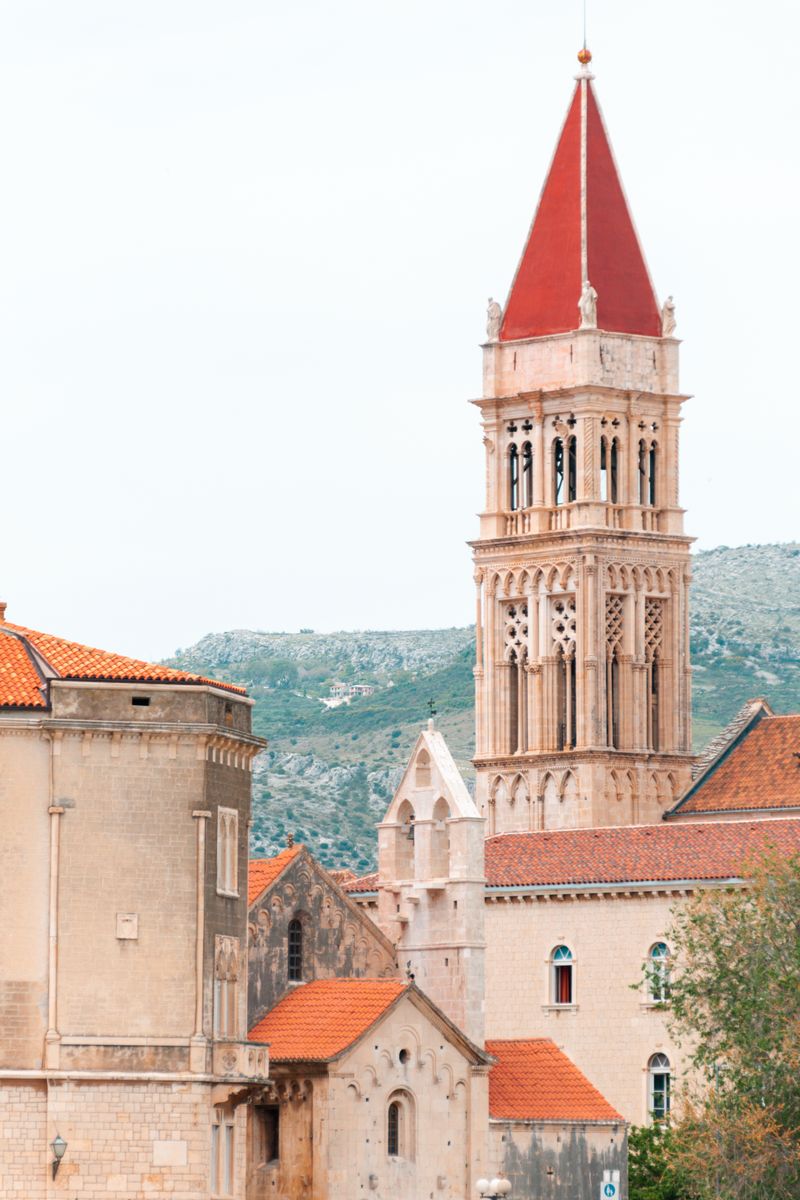
Best Time to Sail Croatia: A Month-by-Month Guide
The best time to sail Croatia is late May to June and September — warm seas, the reliable maestral wind and thinner crowds. A month-by-month charter guide.
July 21, 2026 · 5 min read