Sailing Croatia: The Complete Charter Guide
By Where we sailing? · July 22, 2026 · 6 min read
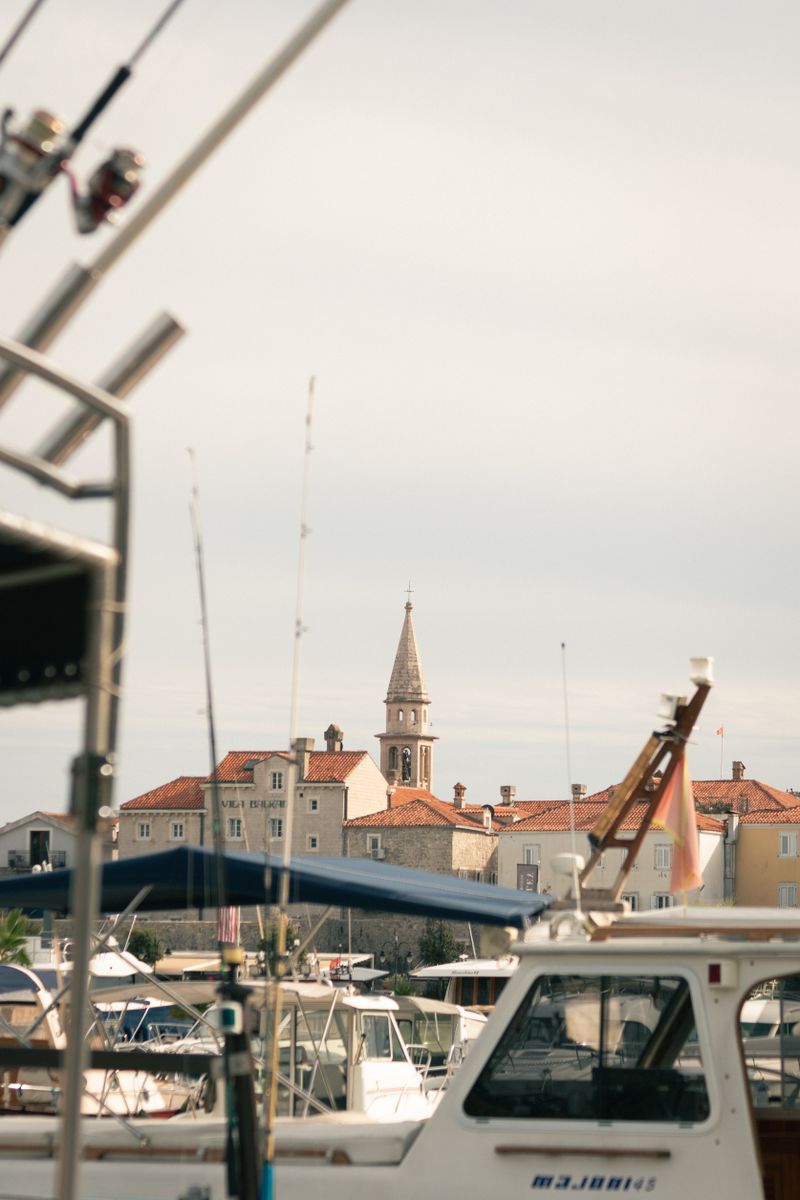
Croatia packs more than a thousand islands, islets and reefs into a coastline barely 500 kilometres long as the crow flies — which means the sailing here is a string of short, sheltered hops between walled medieval towns, pine-scented coves and konoba restaurants that grill the day's catch over vine cuttings. It is the Adriatic's most-chartered coast for good reason. This guide covers where to base yourself, how a week actually unfolds, what it costs, and the local quirks that catch first-timers out.
Why Croatia sails so well
The Dalmatian coast is a natural cruising ground: islands stack in long parallel chains, so you are rarely more than a couple of hours from your next anchorage and almost always in the lee of something. The water is astonishingly clear — 20 metres of visibility is normal — and the maestral, a reliable afternoon thermal breeze from the northwest, fills in around midday and dies at dusk, giving you civilised sailing and calm nights.
Unlike the Aegean, Croatia has no equivalent of the fierce summer meltemi. The one wind to respect is the bora, a cold, gusty katabatic wind that funnels down off the mountains, mostly in spring and autumn. In peak summer it is rare. For a fuller seasonal picture see our month-by-month guide to sailing Croatia.
Choosing your charter base
Nearly all Croatian charters start from one of a handful of marinas. Your choice shapes the whole trip.
- Split — the busiest hub, with the best flight connections and the central Dalmatian islands (Brač, Hvar, Vis, Šolta) on the doorstep. The natural first choice.
- Trogir — 20 minutes from Split airport, a UNESCO old town, and usually cheaper base fees than Split marina itself.
- Dubrovnik — dramatic and southern, giving access to the Elaphiti islands and Mljet. Fewer boats, more one-way logistics. We compare the two in Split vs Dubrovnik as a charter base.
- Zadar / Biograd — the gateway to the Kornati archipelago, a national park of 89 bare, dramatic islands.
- Pula / Kvarner — the north, closer to Venice, good for those flying into Italy or Slovenia.
Browse live availability across all of these on the Croatia charters map.
A classic week from Split
This Saturday-to-Saturday loop keeps daily passages to two or three hours and hits the greatest hits without rushing.
- Day 1 — Split → Šolta (Maslinica): a short shakedown hop to a pretty west-coast village with a stone-built marina. Swim, provision, settle in.
- Day 2 — Šolta → Vis: the furthest-flung inhabited island, closed to foreigners until 1989 and all the more unspoilt for it. Anchor in Komiža or the town of Vis.
- Day 3 — Vis → Biševo (Blue Cave) → Hvar: motor to the Blue Cave at dawn before the tour boats, then cross to buzzing Hvar Town.
- Day 4 — Hvar → Pakleni Islands → Vinogradišće: a lazy day threading the Pakleni islets, all turquoise coves and beach bars a dinghy-ride from the yacht.
- Day 5 — Hvar → Korčula: Marco Polo's reputed birthplace, a miniature walled Dubrovnik. Med-moor on the town quay under the ramparts.
- Day 6 — Korčula → Brač (Bol): sail north to the Zlatni Rat spit, the golden shingle tongue that shifts with the current.
- Day 7 — Bol → Split: an easy morning return, boat back by afternoon.
Prefer a stable platform with more deck space for a family or group? A catamaran charter suits Croatia's calm anchorages well.
What a Croatia charter costs
Prices swing with the season and boat type. Rough per-week guide for a mid-range 45–47 ft monohull sleeping 8–10:
- Boat hire: €2,500–4,500 in the shoulder months (May, June, September); €4,000–7,000 in the July–August peak.
- Skipper (optional): €160–200 a day plus their food.
- Fuel: €150–300 a week — you motor more than you think in light mornings.
- Marina and mooring fees: €60–150 a night for a berth in a town like Hvar or Korčula; free if you anchor.
- Restaurant moorings: many konobas in quiet bays offer a free buoy if you dine ashore — one of Croatia's best traditions.
- Tourist tax and permits: a modest per-person daily tax, usually bundled into your paperwork.
Split five or six ways, a week comes in comparable to a decent villa holiday but with a new view every morning. See real per-person pricing on the Croatia fleet, and read how much a yacht charter costs for the full breakdown.
Local knowledge that saves the trip
- Mooring is Med-style. You back onto the quay and pick up a lazy line. In busy July harbours, arrive by 15:00 to be sure of a spot, or take a restaurant buoy instead.
- The bora bites in shoulder season. If a strong northeasterly is forecast, tuck into a well-protected bay rather than a exposed quay.
- National park fees are separate. Kornati and Mljet charge a daily boat entry ticket — buy ahead where you can, it is cheaper than at the gate.
- Cash still helps. Small island konobas and the buoy-collector who rows out to your yacht may not take cards.
- Fill water and fuel opportunistically. Not every island village has a fuel dock; top up in Split, Hvar or Korčula.
When to go
Peak warmth and buzz is July and August — sea at 25°C, every bar open, harbours full. The connoisseur's windows are late May to June and September, with warm water, the reliable maestral, thinner crowds and lower prices. April and October are quiet and cheap but cooler, with more chance of bora. Full detail in our best time to sail Croatia guide.
Frequently asked questions
Do I need a licence to charter in Croatia? For a bareboat charter you need a recognised sailing certificate (such as the ICC or RYA Day Skipper) plus a VHF radio operator's certificate. No licence? Hire a skipper — see bareboat vs skippered vs crewed.
Is Croatia good for beginners? Yes. Short hops, sheltered channels and no meltemi make it one of the best destinations for beginners, especially with a skipper for the first day or two.
How far apart are the islands? Central Dalmatia's islands are typically one to three hours' sail apart, so you can plan short days and still cover ground.
Split or Dubrovnik to start? Split for connections and the classic island loop; Dubrovnik for drama and the quieter south. Most first-timers start in Split.
Ready to cast off? Explore live Croatia yacht charters with real per-person pricing, or gather your crew and plan a group sailing trip along the Dalmatian coast.
Keep reading
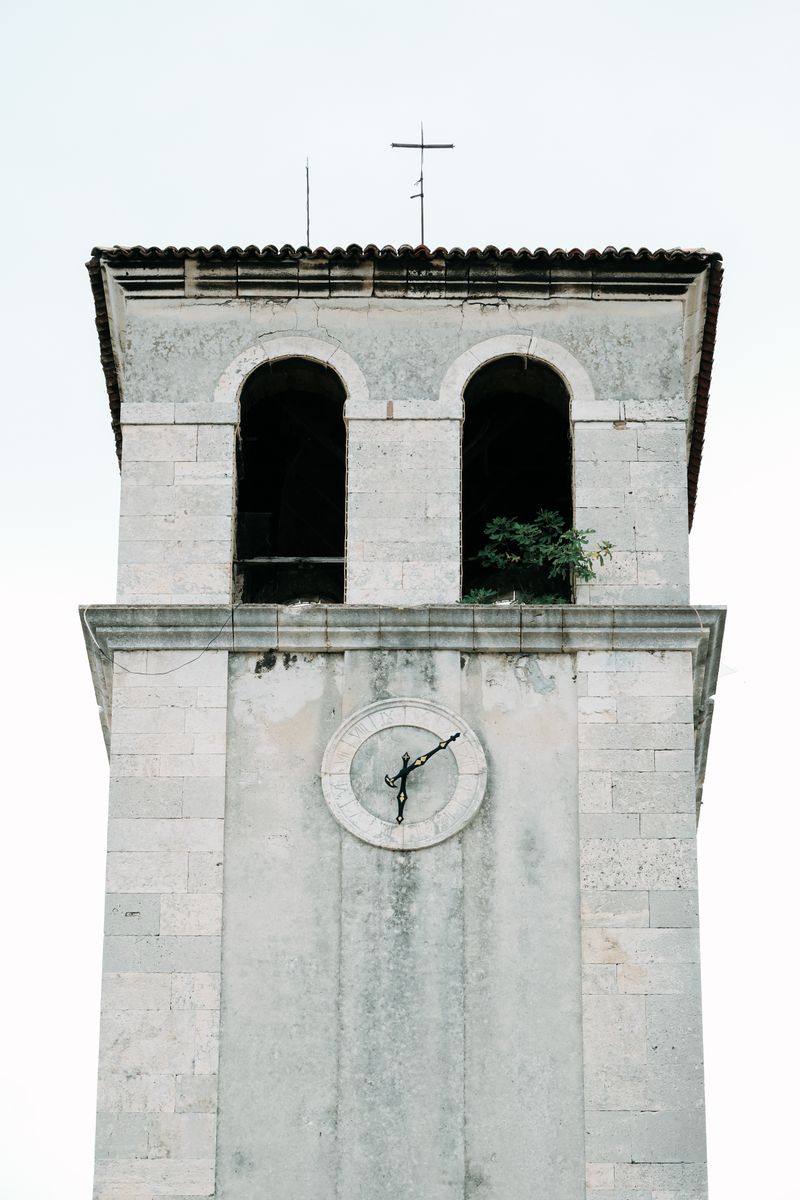
Sailing the Southern Dalmatian Islands: Hvar, Vis and Korčula
A charter guide to Croatia's southern Dalmatian islands — Hvar, Vis, Korčula and Mljet, the Pakleni islands and the Blue Cave, from a Split or Dubrovnik base.
July 26, 2026 · 4 min read
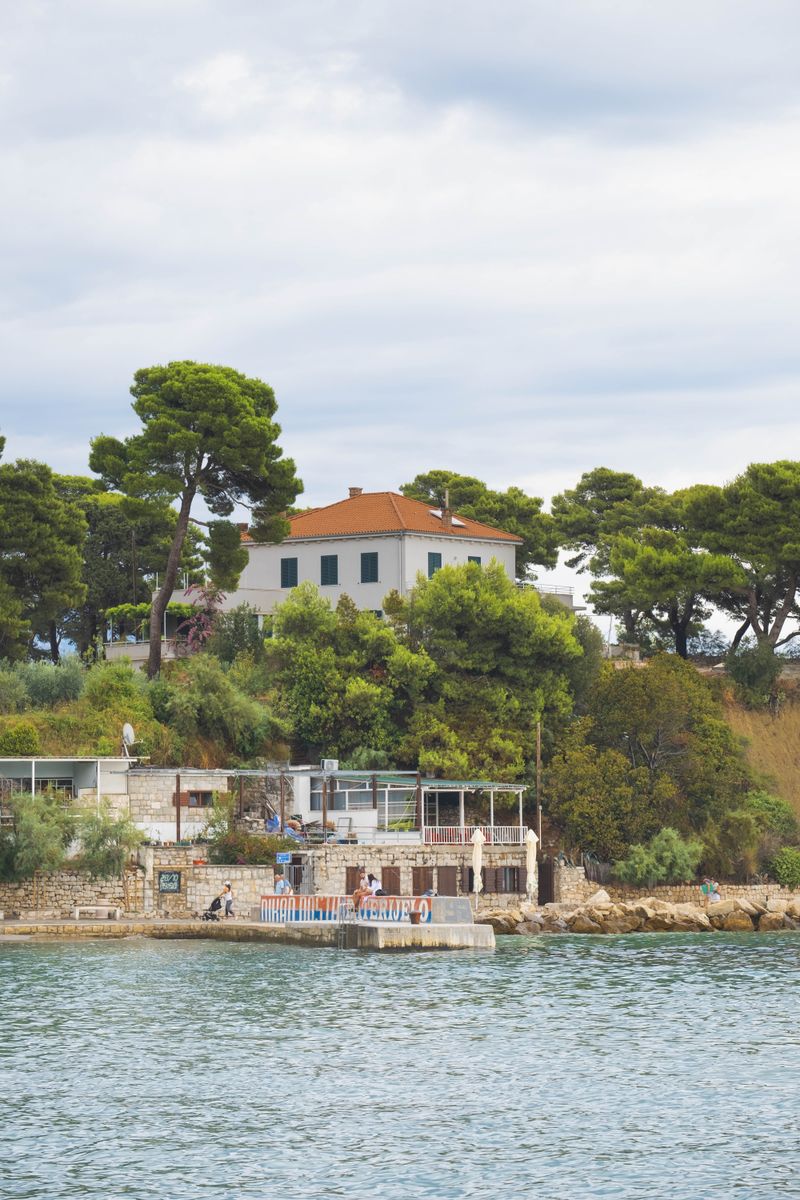
Sailing Istria and the Kvarner Gulf, Croatia
A charter guide to northern Croatia — sailing Istria and the Kvarner Gulf from Pula, taking in Rovinj, Cres, Lošinj and quieter waters than Dalmatia.
July 26, 2026 · 4 min read
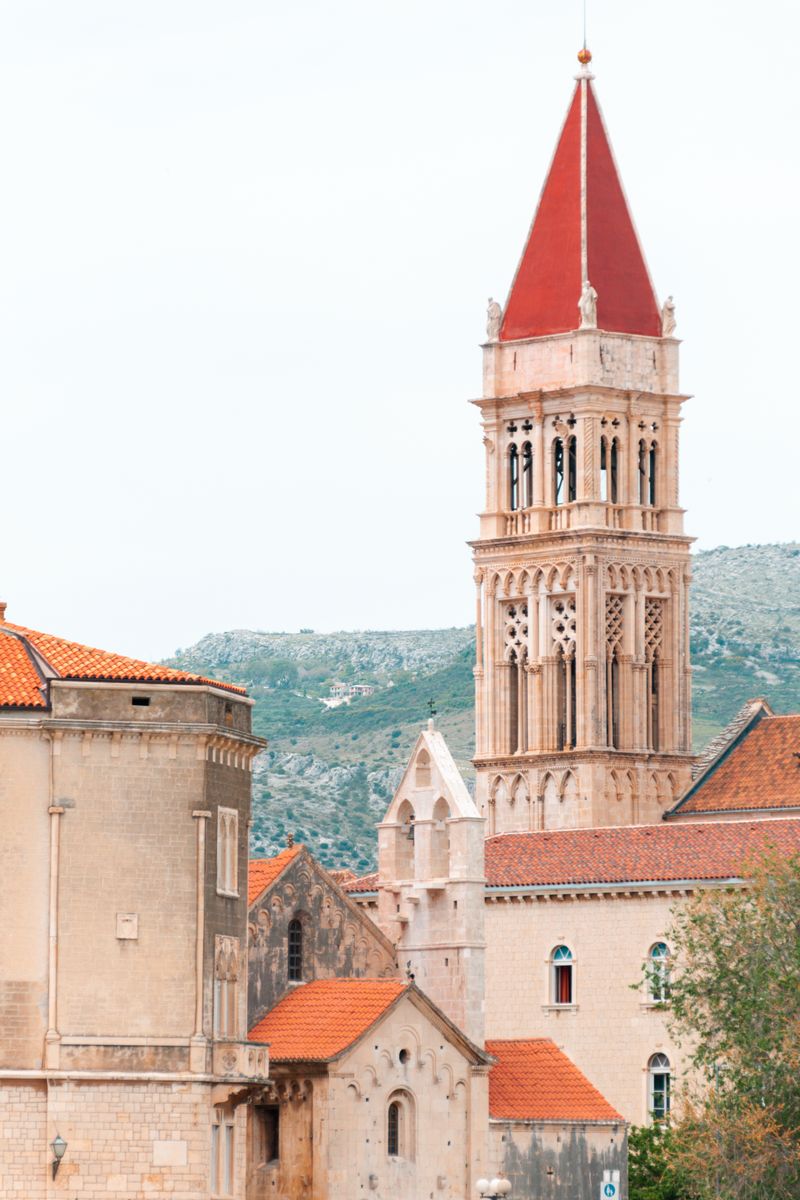
Best Time to Sail Croatia: A Month-by-Month Guide
The best time to sail Croatia is late May to June and September — warm seas, the reliable maestral wind and thinner crowds. A month-by-month charter guide.
July 21, 2026 · 5 min read