Sailing the Kornati Islands and Northern Dalmatia
By Where we sailing? · July 6, 2026 · 5 min read
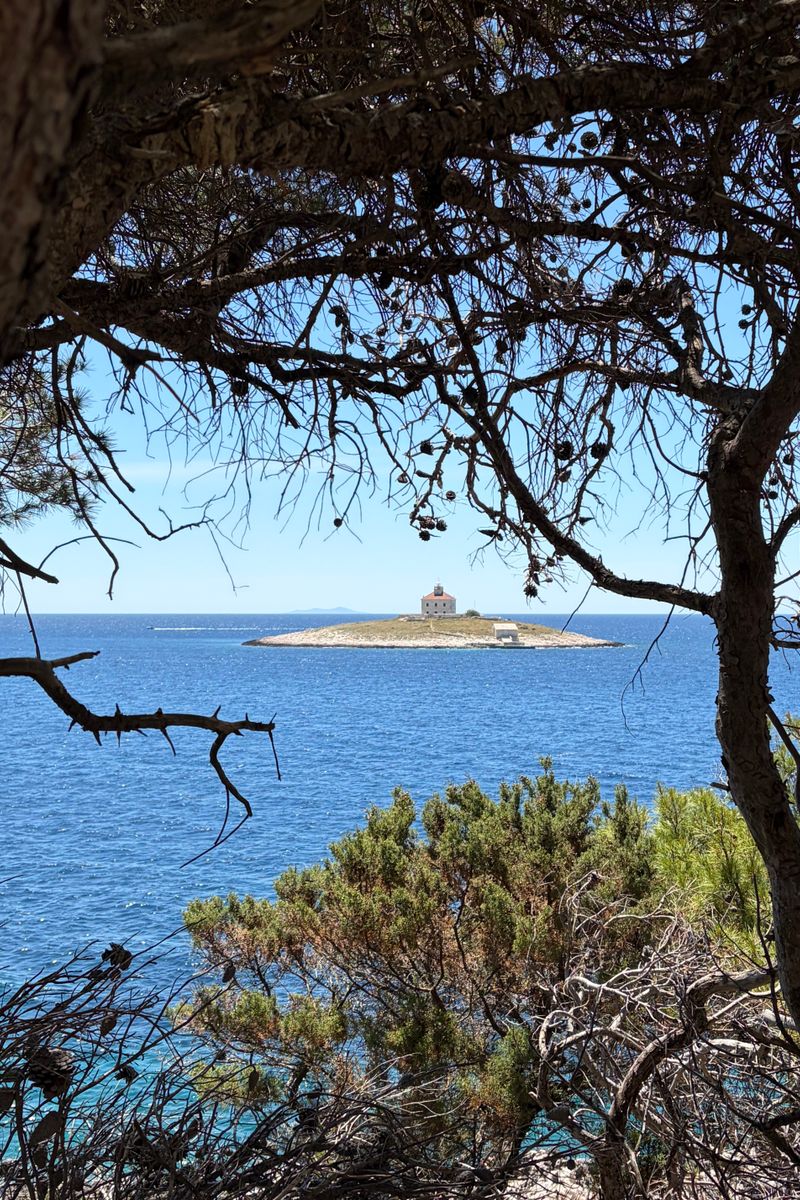
The Kornati are Croatia at its most elemental: 89 bare, treeless islands scattered across the northern Adriatic like scattered stones, ringed by turquoise water and famous "crowns" — sheer cliffs where the land drops straight into the deep. There are almost no permanent residents, few shops, and next to no nightlife. That's the point. This is a sailing area for people who came to sail.
Where the Kornati are
The archipelago sits off the coast between Zadar and Šibenik, most of it protected as the Kornati National Park. Charter fleets in this region usually launch from Biograd na Moru, Sukošan (near Zadar) or Šibenik/Primošten — all within an easy first day of the islands. The park itself is uninhabited limestone, grazed by sheep, with the Adriatic's clearest water and a stark, lunar beauty you don't get further south.
If you're weighing this region against busier bases, our piece on Split versus Dubrovnik covers the southern alternatives, and you can see northern boats in the Croatia charter fleet.
A classic one-week route
A relaxed week from Biograd, roughly 90–110 nautical miles, might look like this:
- Biograd → Žut (~12 nm). Ease in at Žut, on the edge of the park, with a couple of good konoba (family tavern) moorings.
- Žut → Kornati proper (~8 nm). Anchor or take a buoy in one of the deep inlets — Vrulje, Lavsa or Piškera, the park's little marina.
- Kornati → Telašćica (~10 nm). The huge sheltered bay on Dugi Otok, with the Mir salt lake and the 160-metre Stene cliffs above it. Unmissable.
- Telašćica → Sali or Božava (~8 nm), Dugi Otok's laid-back villages, for provisions and a proper dinner ashore.
- Sali → Sit / Zverinac (~10 nm), quieter still, on the way back north.
- Return via Zadar channel to Biograd (~15 nm), with a swim stop off Ugljan.
Legs are short, the water is protected, and you're rarely more than a couple of hours from a safe bay — which makes the Kornati surprisingly good for beginners building confidence, provided you plan around the wind.
National park fees — read this first
The Kornati is a paid national park and you must buy a ticket to enter, ideally in advance from your charter base, an agency, or online. Prices vary by season and boat length and are cheaper if bought before you arrive rather than from a ranger boat inside the park.
- Tickets are priced per day and per boat, scaled by length.
- Buying at your base is usually the cheapest and avoids on-water surcharges.
- Telašćica is a separate nature park with its own ticket — you can often buy a combined one.
Budget roughly €50–€150 for a week depending on boat size and how many park days you take. Keep the receipt visible; rangers do check.
Mooring at the konobas
The Kornati's signature evening is dinner at a konoba — a simple stone tavern in an otherwise empty bay, serving grilled fish, lamb baked under a peka, homemade wine and little else. The deal is generous and old-fashioned: moor at the konoba's private buoy for free (or a token fee) if you eat dinner there.
Practical tips:
- Call ahead on VHF or phone in July and August — the good buoys go fast.
- Buoys are laid lines, not lazylines everywhere; approach slowly and have a boathook ready.
- Cash is king. Many konobas don't take cards, and there are no ATMs in the park.
- Stock water and fuel before you enter — supplies inside are minimal (Piškera marina and a couple of shops aside).
What the sailing is actually like
The summer wind is the maestral, a thermal northwesterly that builds through the afternoon to 10–18 knots and dies at dusk — ideal for lunchtime sailing and calm evenings at anchor. Watch for the bora, a fierce, gusty northeasterly that can arrive with little warning, especially in the shoulder seasons; it accelerates viciously off the Velebit mountains behind Zadar. Check the forecast every morning and don't get caught on a lee shore.
The crowns (the outer cliff faces) are spectacular but offer no shelter — the good anchorages are all on the inner, channel-side of the islands.
Best time to go
- May–June: cooler, greener, quiet moorings, fewer boats. Some bora risk; sea around 20–22 °C.
- July–August: peak sun, warm 25 °C+ sea, reliable maestral — but busy konobas and higher prices.
- September: arguably the sweet spot — warm water, thinning crowds, settled weather.
For the wider seasonal picture see the best time to sail Croatia.
Making it affordable
The Kornati reward a bigger, slower crew — long lunches at anchor, dinners ashore, no marina-hopping. A whole yacht split between friends is the natural way to do it: book the boat as a group and divide the cost per person, and the park fees and konoba dinners spread thin across everyone. For the full arithmetic, see how much a yacht charter costs.
Frequently asked questions
Do I need to pay to sail through the Kornati? Yes. It's a national park with a compulsory per-boat, per-day entry ticket. Buy it in advance from your base or an agency — it's cheaper than paying a ranger boat on the water.
Are there shops and restaurants in the Kornati? Very few. Piškera has a small marina and there are konobas dotted in the bays, but you should provision fully and carry cash before you enter the park.
Is it suitable for first-time sailors? Yes, with care. Legs are short and the inner channels are sheltered, but the bora can be dangerous — watch the forecast daily and pick anchorages on the protected side.
Where do charters to the Kornati usually start? Most launch from Biograd na Moru, Sukošan near Zadar, or the Šibenik area — all a short first-day sail from the islands.
Fancy the emptiest, clearest water in the Adriatic? Explore the Croatia charter fleet or read our complete guide to sailing Croatia to build the wider trip.
Keep reading
Sailing the Southern Dalmatian Islands: Hvar, Vis and Korčula
A charter guide to Croatia's southern Dalmatian islands — Hvar, Vis, Korčula and Mljet, the Pakleni islands and the Blue Cave, from a Split or Dubrovnik base.
July 26, 2026 · 4 min read
Sailing Istria and the Kvarner Gulf, Croatia
A charter guide to northern Croatia — sailing Istria and the Kvarner Gulf from Pula, taking in Rovinj, Cres, Lošinj and quieter waters than Dalmatia.
July 26, 2026 · 4 min read
Sailing Croatia: The Complete Charter Guide
Everything you need to plan a Croatia yacht charter — the best bases, a week-long Dalmatian itinerary, costs, konoba mooring tips and when to go.
July 22, 2026 · 6 min read