Split vs Dubrovnik: Which Croatia Charter Base?
By Where we sailing? · July 7, 2026 · 5 min read
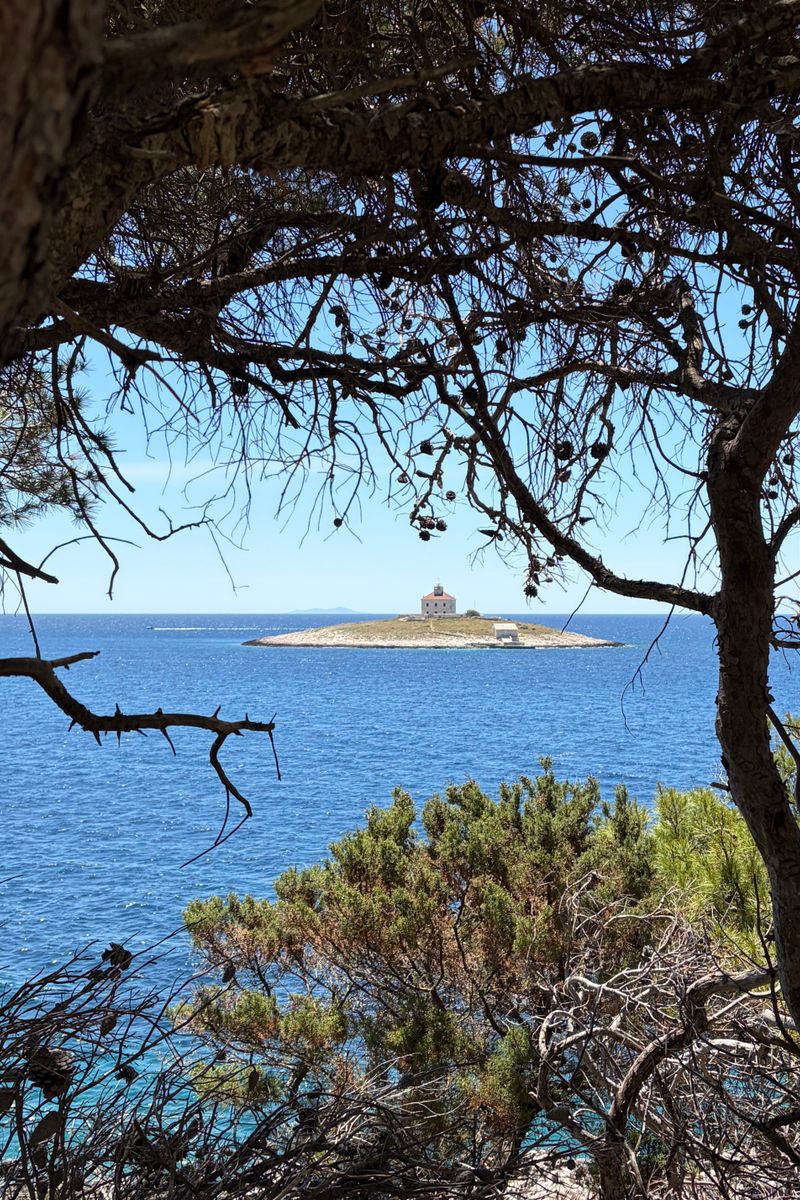
Croatia gives you two natural front doors, and the one you choose shapes your whole week. Split sits in the middle of the Dalmatian coast with the biggest charter fleet in the country; Dubrovnik anchors the far south, glamorous but hemmed in. Get the base right and the islands fall into place; get it wrong and you spend two days motoring to where the good stuff is.
The quick verdict
- Choose Split if you want maximum choice of boats, the shortest hop to the best islands, and a one-way-optional week without long deliveries. It suits first-timers and most groups.
- Choose Dubrovnik if the walled city itself is non-negotiable, you're drawn to the wild Elaphiti and Mljet, and you don't mind a smaller fleet and a bit more upwind work.
For a broader picture of the coast, our complete guide to sailing Croatia sets the scene, and you can browse the current Croatia charter fleet to see what's actually available from each base.
Getting there
Split airport (SPU) is the busier of the two in summer, with dense connections across Europe and a 25-minute transfer to the main charter marinas at Kaštela and the ACI marina. Dubrovnik (DBV) is well served too, but the airport is about a 40-minute drive from the old town and the marinas sit up the Ombla river at Komolac, another 20 minutes beyond that — so budget more transfer time on both ends.
If you're flying from the UK or northern Europe, Split usually wins on frequency and price outside the peak fortnight. Dubrovnik flights spike hard in July and August.
The sailing on each side
This is where the two bases really diverge.
From Split
You are spoilt. Within a two- to three-hour sail you reach:
- Brač (Bol and the Zlatni Rat spit) — roughly 12 nautical miles.
- Hvar town and the Pakleni islands — around 20 nm, the liveliest night out on the coast.
- Vis, the furthest-out and most unspoilt big island, with the Blue Cave on nearby Biševo — about 30 nm.
- Šolta, quiet and close, perfect for a shakedown first night.
A classic Split week runs Split–Šolta–Vis–Hvar–Brač–Split, a relaxed loop of roughly 100–120 nm with short daily legs and swimming stops in between.
From Dubrovnik
The south is emptier and more dramatic, but distances stretch:
- Elaphiti islands (Šipan, Lopud, Koločep) — 8–15 nm, an easy first day.
- Mljet, half national park with two saltwater lakes — around 20 nm, arguably Croatia's most beautiful island.
- Korčula town, birthplace-claimant of Marco Polo — about 30 nm and often into the prevailing wind on the way out.
- Lastovo, remote and dark-sky quiet, for those who want to disappear.
The prevailing summer maestral blows from the northwest, which means the sail out from Dubrovnik towards Korčula is frequently a beat, and the return a lovely reach. Plan legs accordingly.
One-way charters
A popular move is to sail one-way between the two, dropping the boat at the opposite base. Split to Dubrovnik (or the reverse) via Vis, Korčula and Mljet is one of the finest weeks in the Mediterranean — you never backtrack, and you see the whole southern coast.
Expect a one-way drop fee, typically €150–€400 depending on operator and boat size, plus you'll want to check the base is reachable within your flight plan. It's worth it for the itinerary.
Cost and practicalities compared
| Factor | Split | Dubrovnik |
|---|---|---|
| Fleet size | Largest in Croatia | Smaller, books out earlier |
| Base charter price | Competitive, more choice | Often a touch higher |
| Airport transfer | ~25 min | ~40 min + marina drive |
| Nearest good island | Šolta / Brač (very close) | Elaphiti (close) |
| Best-known islands | Hvar, Vis, Brač | Mljet, Korčula, Lastovo |
| Nightlife | Excellent (Hvar) | Quieter, city-focused |
| Provisioning | Big supermarkets near marina | Good, plan ahead at Komolac |
Whichever base you pick, the boat is the biggest line item — and because our platform lets a group book the whole yacht and split the cost per person, a four-cabin catamaran shared between eight often works out cheaper per head than back-to-back hotel rooms in either city. For the full sum, see how much a yacht charter costs.
When to go
Croatia's charter season runs roughly May to October. July and August bring reliable sun, warm 25 °C+ sea, and the strongest maestral — plus the highest prices and busiest harbours, especially Hvar. Late May, June and September are the sweet spot: warm enough to swim, quieter mooring, better value. For the detail, read the best time to sail Croatia.
So, which one?
For most groups, Split is the sensible default: more boats, shorter hops, the marquee islands within an easy day's sail, and easier flights. Dubrovnik rewards those who specifically want the old city and the wilder, greener south, and who'll happily trade a shorter island list for solitude.
If you can only pick one and you've never sailed Dalmatia, start in Split — then come back and do the one-way south another year.
Frequently asked questions
Is Split or Dubrovnik cheaper to charter from? Split usually edges it, mainly because the larger fleet creates more competition and choice. Dubrovnik boats book out earlier and command a small premium in peak weeks.
Can I sail from Split to Dubrovnik in one week? Yes, and it's a superb route via Vis, Korčula and Mljet — around 130–150 nm over seven days. Expect a one-way drop fee and book it well in advance.
Which base is better for first-timers? Split. The short hops to Šolta, Brač and Hvar mean gentle daily legs, and the sheltered island channels make for forgiving early sailing.
Do I need to visit Dubrovnik old town by boat? No — the cruise-ship crowds make the old port impractical for yachts. Most charterers moor at the Elaphiti or Komolac and visit the city by land at a quieter hour.
Ready to pick your side of the coast? Browse the Croatia charter fleet and see what fits your crew, or compare bases further in our complete Croatia guide.
Keep reading
Sailing the Southern Dalmatian Islands: Hvar, Vis and Korčula
A charter guide to Croatia's southern Dalmatian islands — Hvar, Vis, Korčula and Mljet, the Pakleni islands and the Blue Cave, from a Split or Dubrovnik base.
July 26, 2026 · 4 min read
Sailing Istria and the Kvarner Gulf, Croatia
A charter guide to northern Croatia — sailing Istria and the Kvarner Gulf from Pula, taking in Rovinj, Cres, Lošinj and quieter waters than Dalmatia.
July 26, 2026 · 4 min read
Sailing Croatia: The Complete Charter Guide
Everything you need to plan a Croatia yacht charter — the best bases, a week-long Dalmatian itinerary, costs, konoba mooring tips and when to go.
July 22, 2026 · 6 min read