What to Pack for a Sailing Holiday: The Complete List
By Where we sailing? · June 30, 2026 · 5 min read
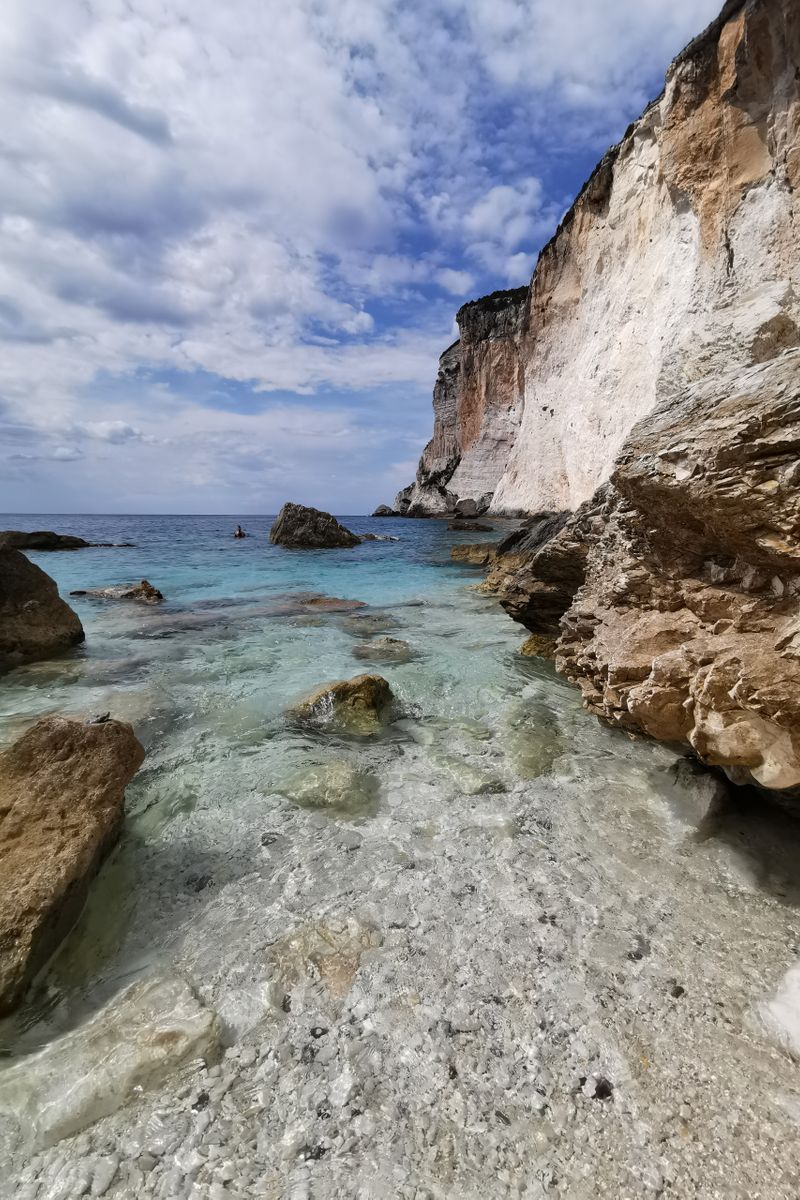
Packing for a yacht charter is its own small art. Space aboard is tight, the weather swings from blazing sun to a cool evening breeze, and the wrong choices — a hard suitcase, cotton everything, no windproof layer — will nag at you all week. This is the list we actually use, sorted by what earns its place and what to leave at home.
The one rule that matters most
Bring a soft bag, never a hard suitcase. Yacht cabins have no wardrobe and nowhere to store a rigid case. A collapsible holdall or duffel folds flat and tucks under a bunk; a suitcase becomes a week-long obstacle you'll curse. This single rule catches out more first-timers than anything else. If you're new to all this, our first-time yacht charter guide explains why storage aboard is so precious.
Clothing — layers beat volume
The Mediterranean in summer is hot by day and can turn cool and breezy after sunset or when you're sailing. Pack light, quick-drying layers rather than lots of heavy items.
- 4–5 T-shirts and vests, ideally quick-dry technical fabric over pure cotton (cotton stays damp and salty)
- 2–3 pairs of shorts
- 2 swimming costumes (one's always drying)
- 1 light long-sleeve top for sun and evening cool
- 1 lightweight fleece or hoodie for night watches and breezy sails
- 1 packable waterproof or windproof jacket — even in July
- 1 pair of long trousers and one smarter outfit for a nice dinner ashore
- A wide-brimmed hat or cap with a chin cord (wind steals hats)
- A sarong or light scarf — sun cover, towel, wrap, all in one
Skip: jeans (heavy, slow to dry, miserable if wet), anything white you care about (sunscreen and red wine happen), and more than you think you need. You'll re-wear everything.
Footwear
- Deck shoes or trainers with pale, non-marking soles. Dark soles scuff the deck and you may be charged for it. This is non-negotiable on most boats.
- Sandals or flip-flops for shore and beach.
- Optional water shoes if you're anchoring off rocky coves for swimming.
Most of the time you'll be barefoot aboard, which is half the joy.
Sun and skin — the tropics don't forgive
Sun reflects off the water and doubles up on you. Under-packing here ruins the week.
- High-factor reef-safe sunscreen (SPF 30–50), more than you think — bring 2–3 bottles
- After-sun or aloe
- Good polarised sunglasses with a retainer strap
- Lip balm with SPF
- A rash vest or UV top for long days on deck
The gear that earns its space
- A dry bag (10–20L) for keeping phones and cameras safe on the dinghy run to shore
- A quick-dry microfibre towel — packs tiny, dries fast, and charter towels are often thin
- A power bank and a multi-USB charger — boat sockets are limited and you'll be running the engine to charge
- A head torch for finding things at night without waking the cabin
- Seasickness remedies even if you don't usually get queasy — tablets, wristbands or ginger; give tablets to anyone prone before they feel ill
- A refillable water bottle each
- A universal EU plug adapter if you're travelling from the UK
Documents and admin
Keep these together in a waterproof folder or the dry bag:
- Passports and travel insurance details (check it covers sailing/charter)
- Your booking confirmation and the base's contact details
- Sailing certificates and, for bareboat, the skipper's licence and logged experience
- A credit card for the refundable security deposit — often £1,500–£3,000
- Some cash in local currency for small harbours and tavernas that don't take cards
If you're travelling as a group, sort the shared kitty and cost-splitting before you go — our group sailing planner covers the money side.
A small galley kit (optional but loved)
Charter galleys are basically equipped, but a few extras transform meals aboard: a decent sharp knife (in checked luggage), a bottle opener and corkscrew, some good coffee and a stovetop pot, and a few resealable containers for leftovers. For the full food strategy, see provisioning a charter yacht.
What to leave at home
- Hard suitcases (see above)
- Hair dryers and straighteners — they'll flatten the battery
- More books than one; bring an e-reader
- Formal wear — nowhere on a charter needs it
- Valuables and jewellery you'd hate to lose overboard
Frequently asked questions
How much should I pack for a week aboard? Less than for a hotel week. You re-wear everything, wash swimwear in the sea, and space is tight. One soft holdall per person is plenty.
Do I really need a jacket in the Mediterranean summer? Yes. Sailing generates its own wind chill and evenings cool off, especially in the Cyclades where the meltemi blows. A packable windproof lives in your bag all week.
What footwear is allowed on deck? Pale, non-marking soles only — deck shoes or clean trainers. Dark rubber soles scuff the gel coat and you may be charged for the damage.
Should I bring my own snorkel gear? If you have it and it packs down, yes — the water is glorious and hire kit is hit or miss. Otherwise mask and snorkel are cheap to buy at any marina.
Bag packed and nowhere to point it yet? Browse available yachts or picture yourself island-hopping the warm, swimmable bays of Greece — then start filling that soft holdall.
Keep reading
Sailing the Sporades, Greece: Skiathos, Skopelos and Alonissos
A charter guide to the Sporades — sailing from Skiathos to green Skopelos and Alonissos, through Greece's National Marine Park, a sheltered and quieter corner of the Aegean.
July 26, 2026 · 4 min read

Sailing the North Aegean and Halkidiki
A charter guide to Greece's uncrowded north — sailing Halkidiki and Thassos from Thessaloniki, with Mount Athos views and empty anchorages far from the tourist trail.
July 26, 2026 · 4 min read

Best Time to Sail the Greek Islands: A Month-by-Month Charter Guide
The best time to sail the Greek islands is May, June, September and early October — warm seas, calmer winds and thinner crowds. A month-by-month charter guide.
July 23, 2026 · 5 min read