Sailing the Dodecanese: Rhodes, Kos and the Eastern Aegean
By Where we sailing? · July 18, 2026 · 5 min read
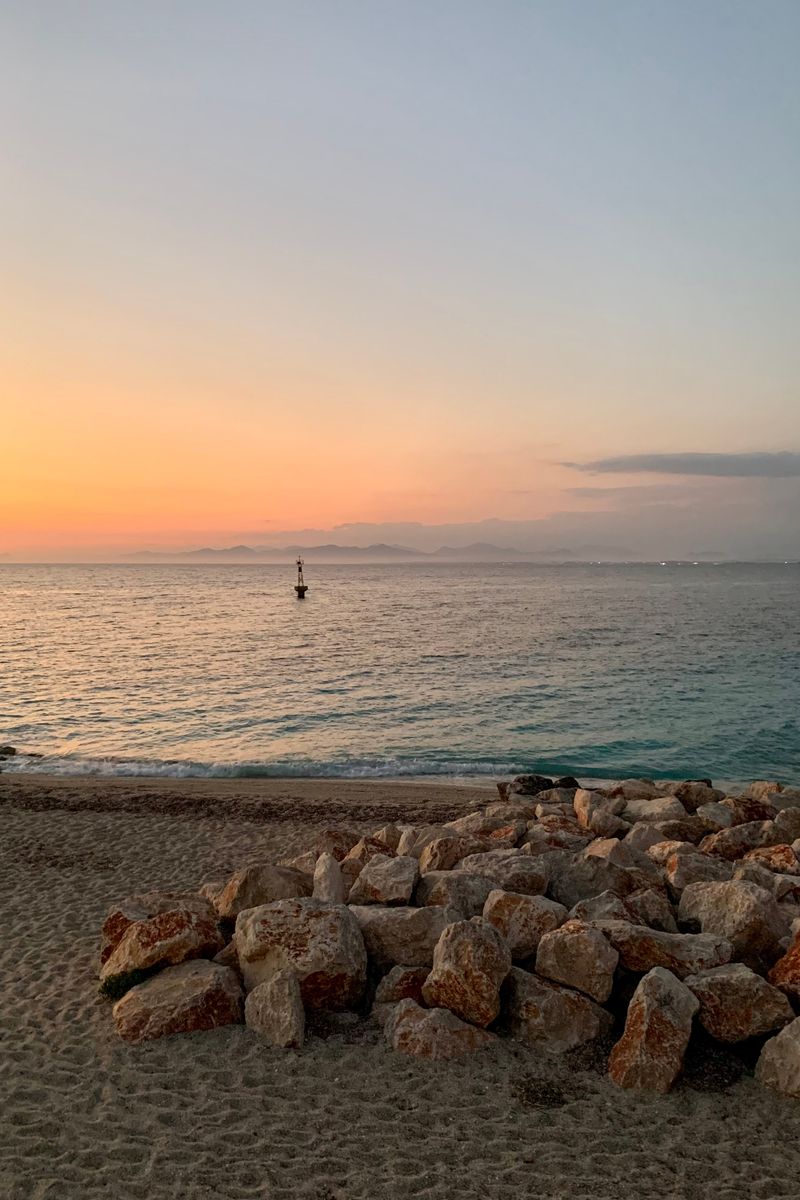
The Dodecanese are Greece's far southeast — a chain of a dozen larger islands and scores of smaller ones strung along the Turkish coast, from Patmos in the north to Rhodes in the south. It is the least-chartered of the mainstream Greek grounds and all the more rewarding for it: crusader castles and Ottoman minarets, the neoclassical jewel-box of Symi, volcanic Nisyros, and reliable, thrilling wind. If you want proper Aegean sailing with history layered on top, this is the region.
Why sail the Dodecanese
- History you can moor beneath. Rhodes' medieval Old Town, the Knights' castle at Kos, the monastery of St John on Patmos, the pastel mansions of Symi — this coast changed hands between Byzantines, Knights Hospitaller, Ottomans and Italians, and it shows.
- Serious sailing. The meltemi funnels down between the islands and the Turkish mainland, giving strong, reliable summer wind for confident crews.
- Fewer boats. Away from the Cyclades crush, harbours are quieter and the pace is calmer.
- Easy flights. Rhodes and Kos both have international airports with direct summer flights, so no island-hop connections.
The islands and stops
- Rhodes — the southern hub. A vast, intact medieval Old Town within Europe's finest surviving city walls; Mandraki harbour on the doorstep.
- Symi — the postcard island: a horseshoe of pastel neoclassical houses rising in tiers around a deep, sheltered harbour. Unmissable.
- Kos — the northern base, flat and green, with a castle guarding the harbour and Hippocrates' plane tree in the square.
- Nisyros — a live volcano you can walk into; anchor at Pali and taxi up to the steaming caldera.
- Tilos, Chalki, Kastellorizo — small, quiet islands for those who want to leave the crowds entirely.
- Patmos & Leros — the northern Dodecanese, holier and greener, worth it if you have longer.
Choosing your base
Most Dodecanese charters start from Kos or Rhodes.
- Kos puts you central, with Kalymnos, Nisyros, Symi and the northern islands all within easy reach — the more flexible base for a one-week loop.
- Rhodes is dramatic but sits at the southern end, so a round trip involves committing south-to-north-and-back. Great if you want to start with the Old Town.
Both appear on the Greece charters map. If you are weighing the Dodecanese against Greece's other grounds, our best time to sail the Greek islands guide sets out the wider calendar.
A week from Kos
This loop keeps you central, mixes the marquee stops with a couple of quiet ones, and times the windier crossings for the morning.
- Day 1 — Kos → Kalymnos (Pothia): a short first hop to the sponge-diving island; anchor off Vathi's fjord-like inlet if there is time.
- Day 2 — Kalymnos → Leros (Lakki): the grand Italian-built harbour town, faintly art-deco and utterly unlike anywhere else in Greece.
- Day 3 — Leros → Lipsi: a small, gentle island of quiet bays and one pretty village — a day to slow down and swim.
- Day 4 — Lipsi → Nisyros (Pali): a longer, likely lively downwind leg; anchor and taxi up to the steaming volcanic caldera at dusk.
- Day 5 — Nisyros → Symi: cross to the pastel harbour, arriving early to secure a spot on the quay beneath the mansions.
- Day 6 — Symi → Datça-side anchorages or back toward Kos: enjoy the turquoise coves; the Turkish coast lies tantalisingly close (day-trip formalities apply if you land).
- Day 7 — return to Kos, timing the final crossing for the morning calm.
Prefer a stable, spacious platform for the open crossings? A catamaran charter handles the Dodecanese meltemi in comfort.
The wind: respect the meltemi
Like the Cyclades, the Dodecanese sit in the meltemi's path. This strong, dry north wind funnels between the islands and the Turkish mainland from roughly June to September, peaking in July and August, and can blow Force 6–7 for days. The practical rules:
- Sail north-to-south with the wind where you can — beating back up into a Force 6 is hard, wet work.
- Cross in the morning. The meltemi typically builds through the day and eases overnight.
- Have bolt-holes in mind. Deep, protected harbours like Symi, Lakki (Leros) and Kos ride out a blow comfortably.
If strong wind isn't your idea of a holiday, sail here in June or September, when the meltemi is gentler, or choose a calmer region such as the Ionian or the Saronic Gulf. This is a region for confident crews or those hiring a skipper.
Practical notes
- Turkish-coast day trips need paperwork. Landing in Turkey (Datça, Bodrum, Marmaris) involves clearing in and out; check with your charter company before planning it.
- Provision at the hubs. Kos and Rhodes have full supermarkets; smaller islands have limited, pricier shops. See provisioning a charter yacht.
- Symi fills up. Its harbour is deep and space is limited — arrive early or anchor outside and dinghy in.
- Direct flights help logistics. Flying straight into Kos or Rhodes avoids a mainland transfer, unlike some Greek regions.
Frequently asked questions
Is the Dodecanese good for beginners? Less so than the Ionian or Saronic — the summer meltemi makes it a confident-crew region. Sail in June or September, or hire a skipper, to make it more forgiving.
What is the must-see island? Symi, for its tiered pastel harbour, and Rhodes, for the medieval Old Town. Nisyros' volcano is the wild card that surprises everyone.
When is the best time to sail the Dodecanese? June and September for warm water with a gentler meltemi. July and August are windier and busier but reliably sunny and lively.
Can I visit the Turkish coast on a Dodecanese charter? Yes, but it involves customs formalities in and out of Greece and Turkey. Arrange it with your charter company in advance rather than on a whim.
Ready for history and real Aegean wind? Explore live Greek island charters with real per-person pricing, or compare regions in our Cyclades vs Ionian guide.
Keep reading
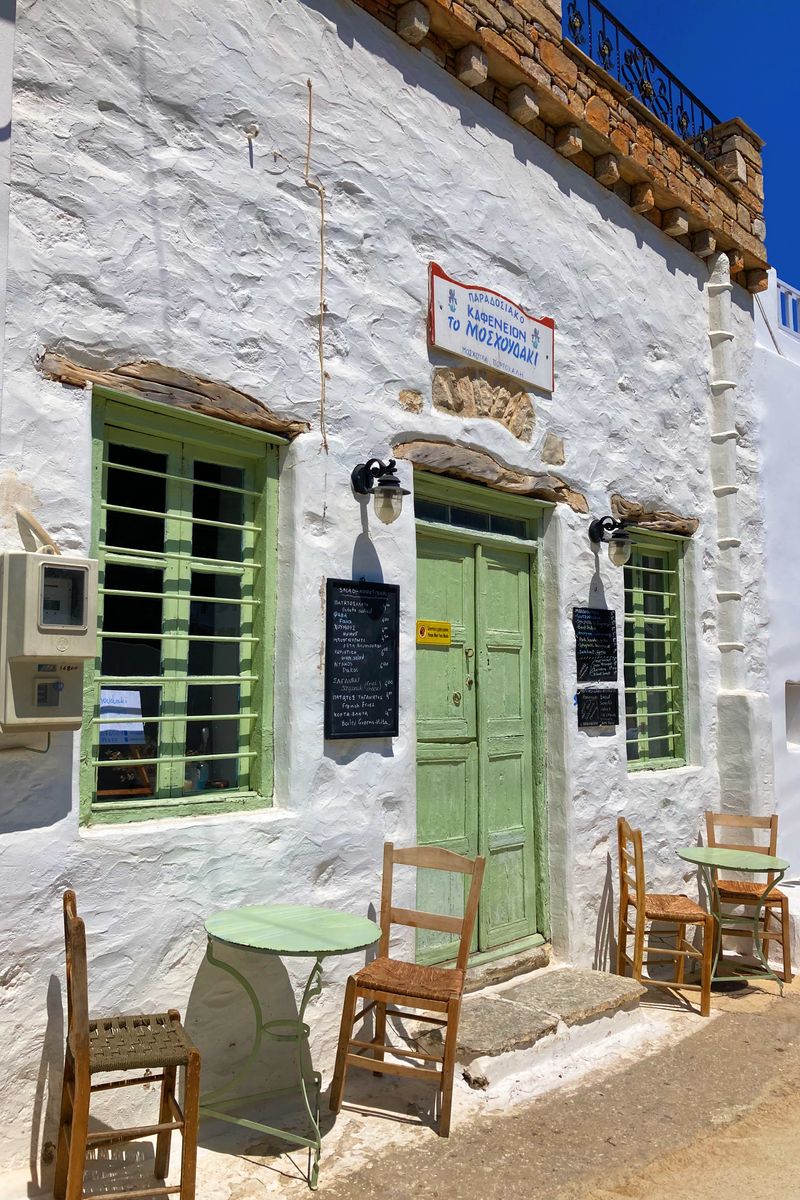
Sailing the Sporades, Greece: Skiathos, Skopelos and Alonissos
A charter guide to the Sporades — sailing from Skiathos to green Skopelos and Alonissos, through Greece's National Marine Park, a sheltered and quieter corner of the Aegean.
July 26, 2026 · 4 min read
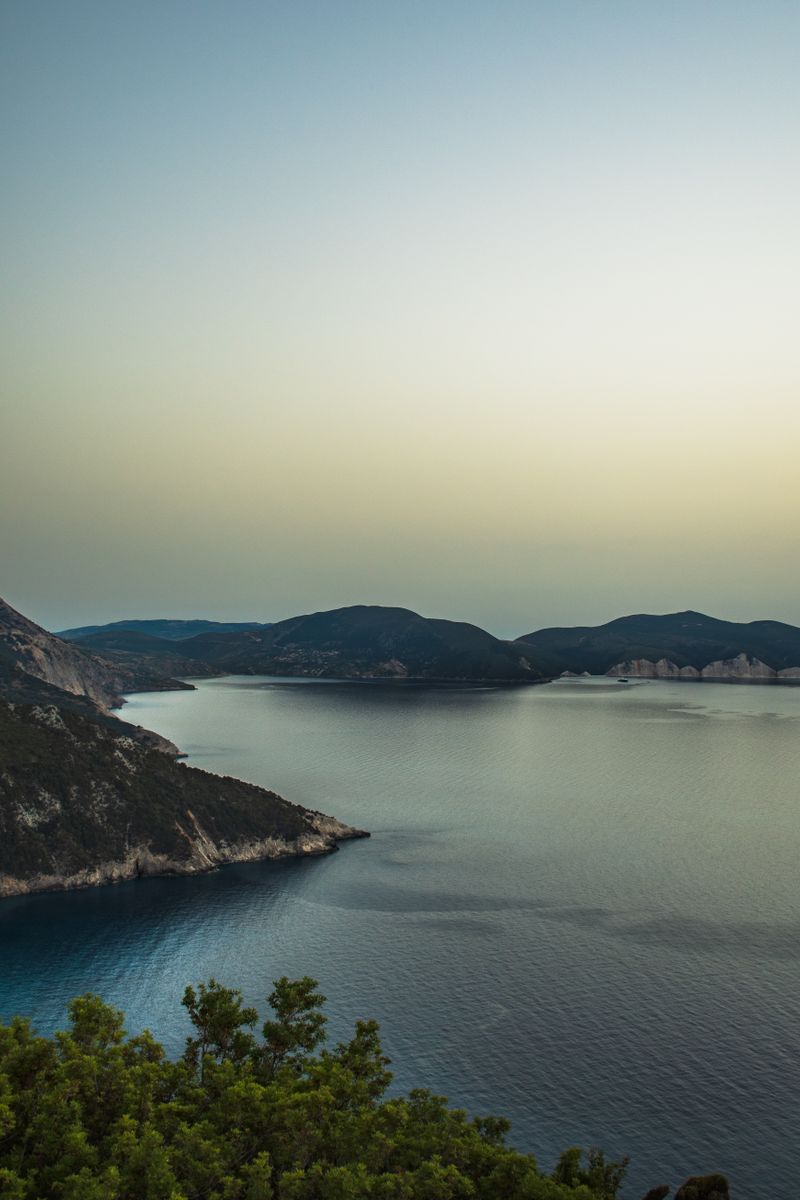
Sailing the North Aegean and Halkidiki
A charter guide to Greece's uncrowded north — sailing Halkidiki and Thassos from Thessaloniki, with Mount Athos views and empty anchorages far from the tourist trail.
July 26, 2026 · 4 min read
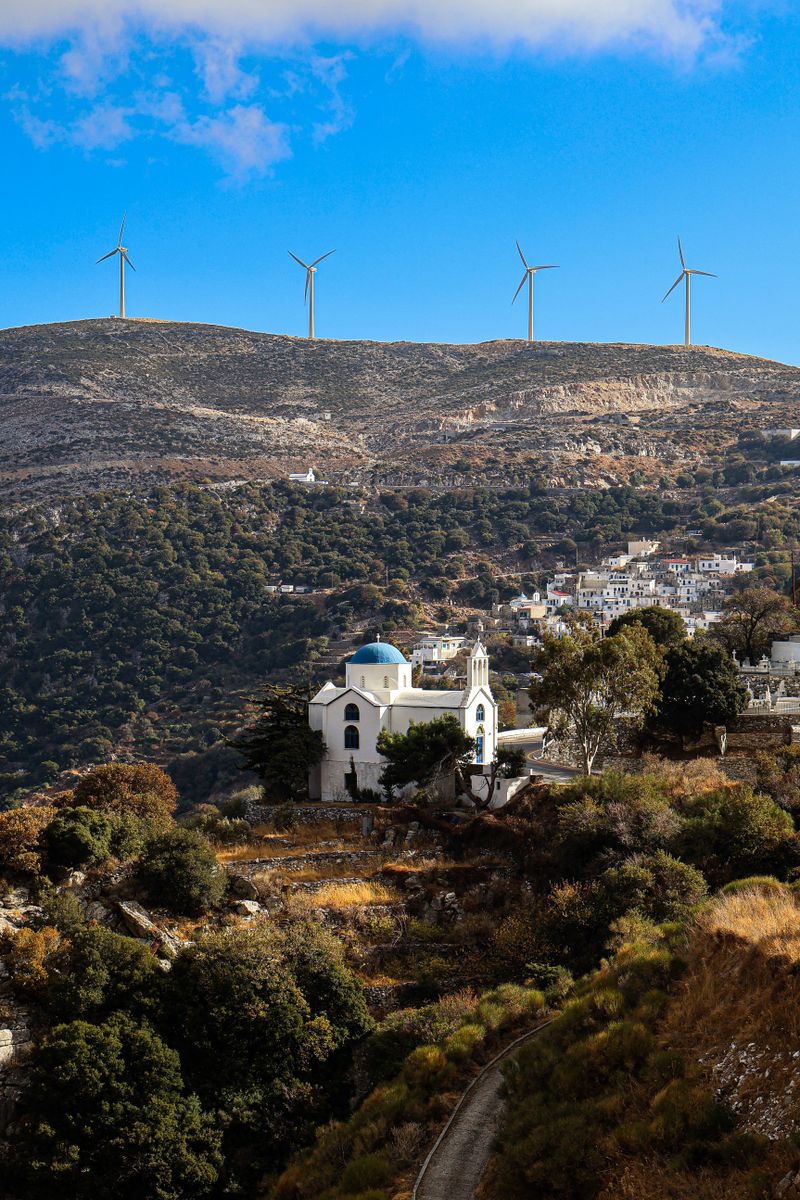
Best Time to Sail the Greek Islands: A Month-by-Month Charter Guide
The best time to sail the Greek islands is May, June, September and early October — warm seas, calmer winds and thinner crowds. A month-by-month charter guide.
July 23, 2026 · 5 min read