Sailing Turkey's Turquoise Coast: Gulets and Hidden Bays
By Where we sailing? · July 9, 2026 · 5 min read
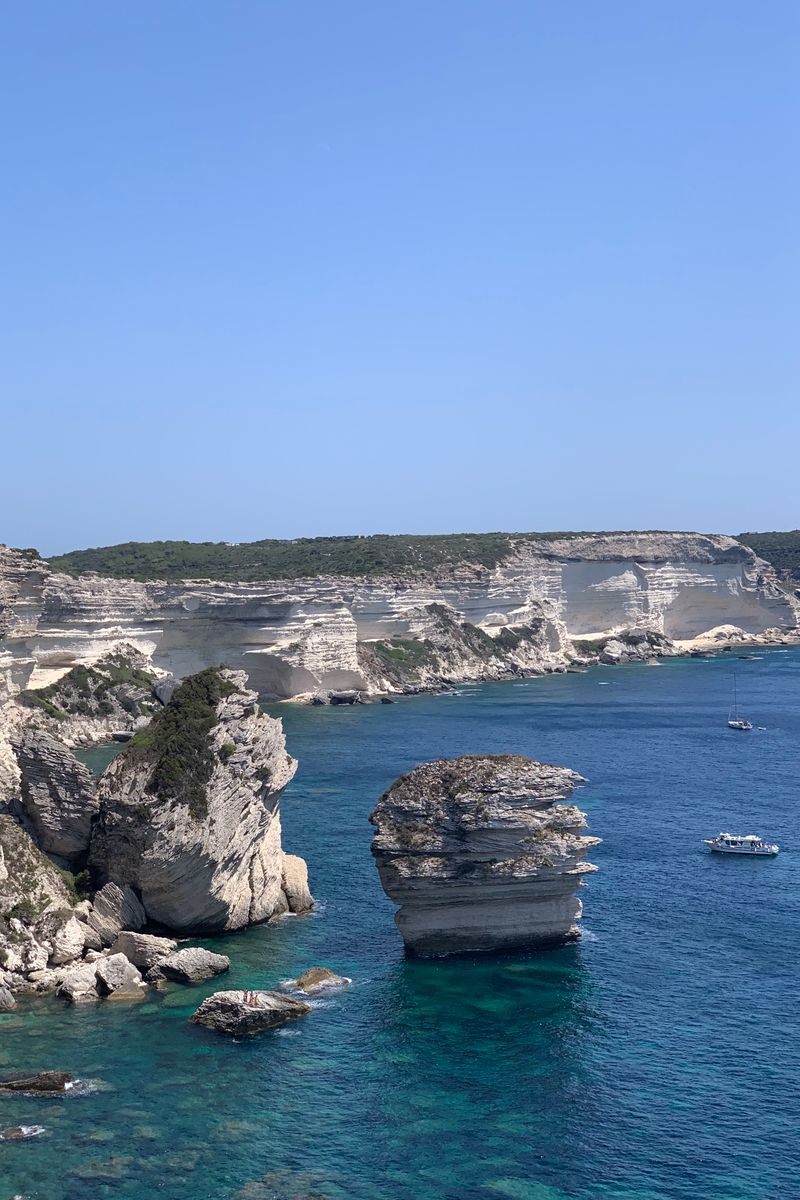
Turkey's Turquoise Coast — the stretch of Aegean and Mediterranean shoreline from Bodrum down past Marmaris and Fethiye — is where pine forests tumble to impossibly clear water and Lycian ruins sit half-drowned in quiet bays. It's one of the Mediterranean's great cruising grounds, and the one where you can trade a modern yacht for a traditional wooden gulet and let a crew do the work while you swim between coves. Here's how to sail it.
Why the Turquoise Coast is special
Two things set this coast apart from the Greek islands just across the water. First, the anchorages are dramatic — deep, sheltered bays backed by mountains and forest rather than open, exposed roadsteads. Second, the sheer weight of history: sunken Lycian tombs, Byzantine ruins and the drowned city at Kekova sit right where you drop the hook.
The other draw is the gulet. These broad, wooden, twin-masted motor-sailers are built for lazy cruising — big shaded decks, cabins below, a cook aboard. Most crewed gulet charters do more motoring than sailing, but for a relaxed family or group holiday of swimming and feasting, they're hard to beat. Compare the styles in our guide to bareboat vs skippered vs crewed.
The main cruising areas
Gulf of Gökova (Bodrum to Marmaris)
A long, deep gulf sheltered by mountains, studded with legendary anchorages: English Harbour (Değirmen Bükü), Seven Islands, and the aptly named Cleopatra's Island (Sedir), with its beach of imported Egyptian sand you're no longer allowed to walk on with shoes. The meltemi funnels down the gulf in high summer, giving proper afternoon sailing before evening calm.
The Datça and Hisarönü peninsulas
Wilder and quieter, reaching out towards the Greek Dodecanese. Datça town is a laid-back base; the bays around Palamut and Bozburun are gorgeous and less trafficked. This area pairs naturally with a hop across to the Greek Dodecanese if you clear customs.
The Gulf of Fethiye and Göcek
The jewel of the coast for many. Göcek is a purpose-built yachting hub ringed by a dozen protected bays — Tersane, Boynuz Bükü, Wall Bay — all within easy reach. Down at Ölüdeniz, the Blue Lagoon and its paragliders make the postcard shot. Fethiye itself is a proper town with markets and a big marina.
Kekova and the Lycian coast
The most historic leg. At Kekova you sail over the Batık Şehir, a sunken city whose staircases and foundations shimmer under the hull. Nearby Kaleköy (Simena) has a crusader castle above a village with no roads, and Kaş is one of Turkey's most charming harbour towns.
Weather and season
The Turquoise Coast sails from late April to late October.
- May–June: warm, green, uncrowded, water climbing through the low 20s°C. Superb.
- July–August: hot (30°C+), busy, and windy on the Aegean stretch where the meltemi blows. The Mediterranean side around Fethiye and Kekova stays calmer.
- September–October: the connoisseur's window — warm sea, settled weather, thinning crowds.
The pattern mirrors the Greek islands just across the strait, with the shoulder months offering the best balance of warmth, wind and value.
A one-week sample route from Göcek
A relaxed loop that shows off the Gulf of Fethiye and the Lycian coast:
- Day 1 — Göcek to Tersane Island, a huge sheltered bay with ruins ashore.
- Day 2 — Tersane to Wall Bay (Kapı Creek), tucked deep into the pines.
- Day 3 — Around to Ölüdeniz and the Blue Lagoon for a swim.
- Day 4 — Long run east to Kaş, an evening in the harbour town.
- Day 5 — Kaş to Kekova and the Sunken City, mooring at Üçağız.
- Day 6 — Back west to Boynuz Bükü, a quiet forested inlet.
- Day 7 — Return to Göcek via a final swim stop.
Total distance is modest — this is a swimming-and-anchoring holiday, not a mileage-eater. Bareboat crews can sail it comfortably; a gulet with crew makes it effortless.
Practical notes
- Customs: Turkey requires a transit log and formal clearance; charter bases handle the paperwork. Crossing to Greece and back means clearing customs both ways.
- Mooring: many bays have restaurant pontoons where you tie up (often stern-to) in exchange for dining ashore — a lovely local custom. Elsewhere you'll anchor with a long line ashore in the deep bays.
- Provisioning: Göcek, Marmaris and Bodrum have good markets. Read what to pack for a sailing holiday before you go.
- Boat choice: for a family or group who want ease, a gulet or catamaran wins on space; keen sailors will prefer a monohull and the afternoon meltemi.
Frequently asked questions
What exactly is a gulet? A gulet is a traditional broad-beamed wooden motor-sailer, usually crewed, with spacious decks and cabins below. They're built for comfortable coastal cruising and swimming rather than performance sailing.
Is the Turquoise Coast good for families? Excellent. The bays are calm and sheltered, the water is warm and clear, and a crewed gulet takes all the work off your hands. See our family sailing guide.
Can I sail between Turkey and the Greek islands? Yes, the Dodecanese are a short hop across, but you must clear customs out of Turkey and into Greece and back again. Build the extra time into your plan.
When is the best time to go? May, June, September and early October give the best balance of warm seas, manageable wind and thinner crowds. July and August are hot, busy and windy on the Aegean stretch.
Dreaming of pine-clad bays and sunken cities? Browse our Turkey yachts or explore the full fleet to plan your Turquoise Coast escape.
Keep reading
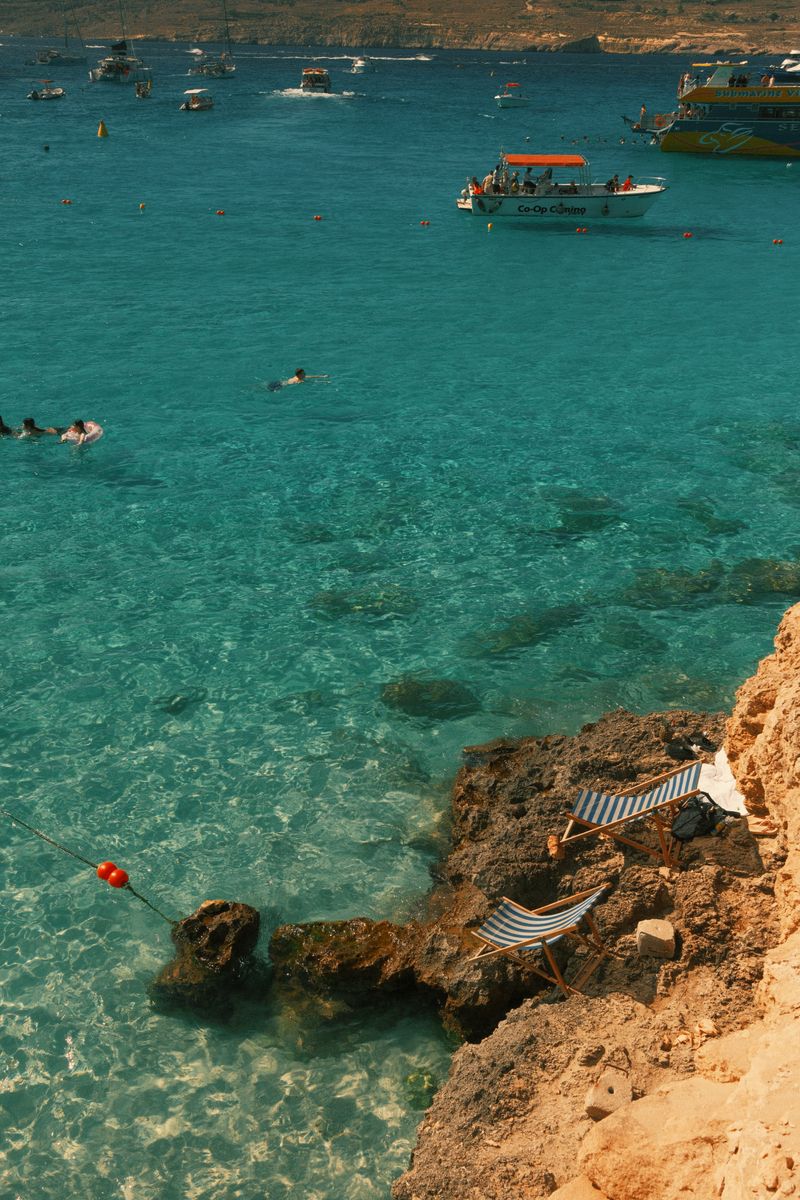
Sailing the Gulf of Gökova, Turkey
The Gulf of Gökova offers flat water, pine-clad bays, English Harbour and Cleopatra's Island — Turkey's calmest, prettiest cruising ground from Bodrum or Marmaris.
July 26, 2026 · 5 min read
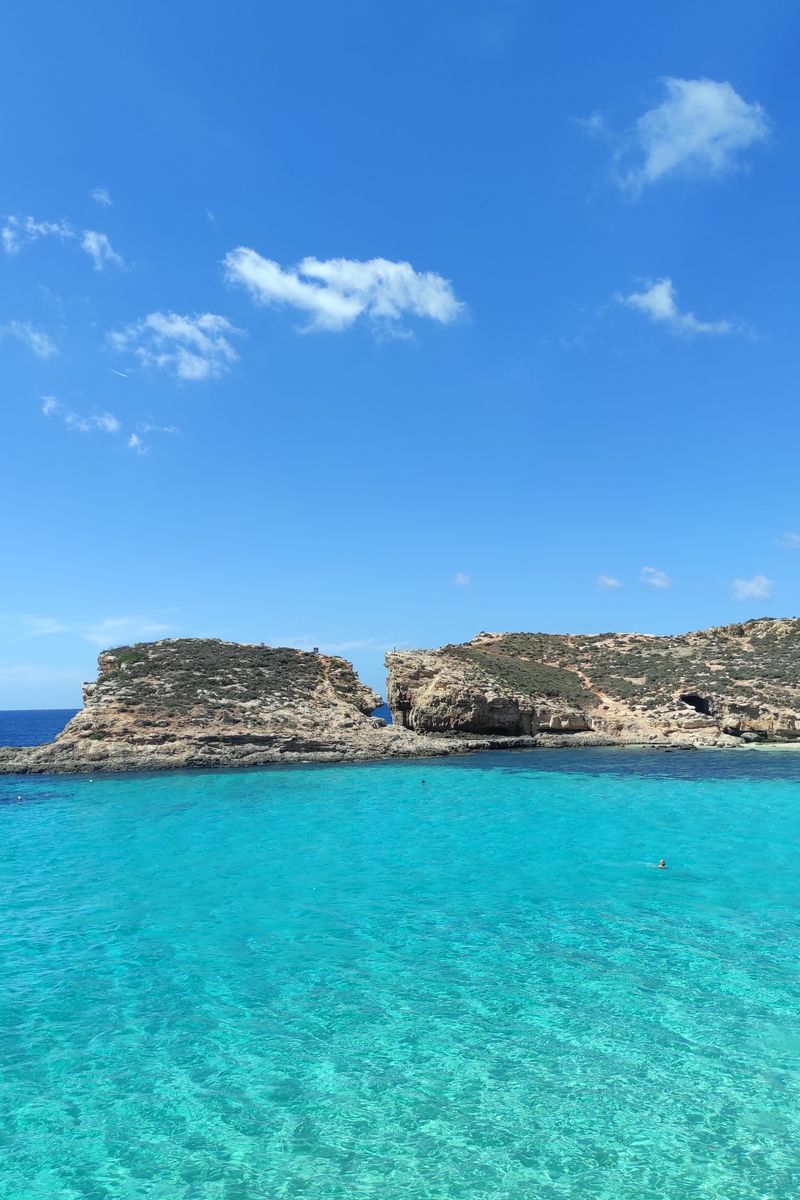
Göcek and the Gulf of Fethiye: Turkey's Sheltered Cruising Ground
Göcek and the Gulf of Fethiye offer the sheltered Twelve Islands, short hops and calm anchorages — Turkey's easiest, prettiest cruising ground for first-timers.
July 26, 2026 · 5 min read
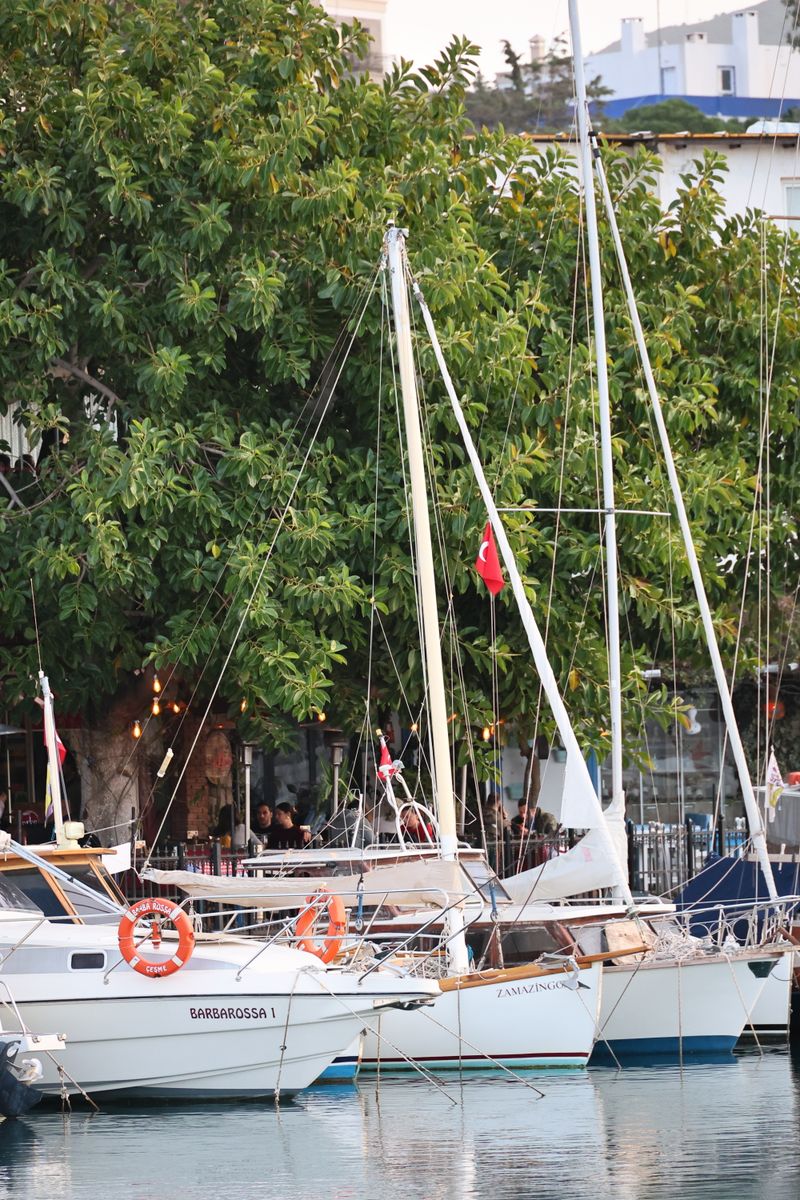
Best Time to Sail Turkey's Turquoise Coast
The best time to sail Turkey is May, June, September and October — warm seas, gentle meltemi and thin crowds along the Turquoise Coast. A month-by-month guide.
July 26, 2026 · 5 min read